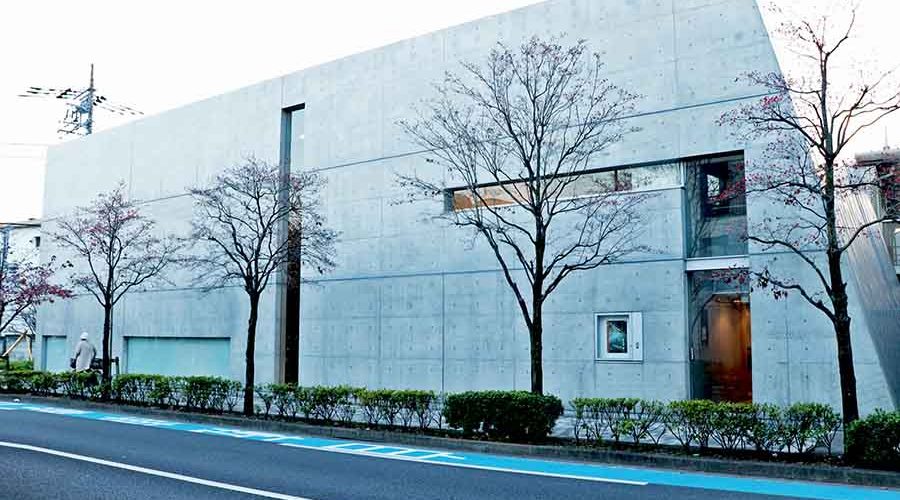
The Pritzker Award laureate architect Tadao Ando designed as many as six buildings on a small 432 meter-long strip in Tokyo’s Western suburbs. There is an interesting history behind the street that led a globally recognized architect to design relatively small buildings in a small suburban neighborhood.
How was the Ando Street born?
In 1990, the Tokyo Metropolitan Government decided to add a new road by Sengawa Station in Chofu City. The plan would diagonally cut through local land owner’s narrow, rectangular 16,000 m2 parcel, which would be divided it into two triangular pieces. The land owner, whose name was Yoko Ito, was put in a difficult position, as it was obvious that the two triangular parcels would not have high value. Most economically sensible option would be to divide her property even smaller, and sell individual lots for small developments such as an hourly parking lot. But she rejected the idea as she was afraid that it would make the street look like a hodgepodge of random businesses with no coherent aspirations. She believed that landowners had a responsibility to local communities to maintain high aesthetic standards.
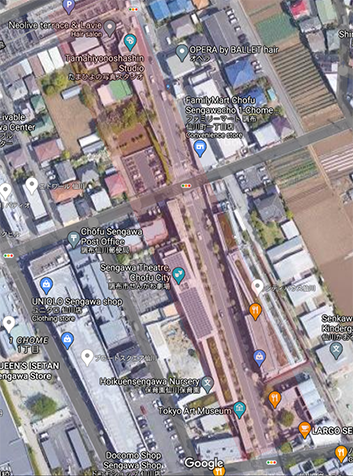
However, it was easier said than done. It took her many years of negotiations with multiple stakeholders. However, she finally connected with Tadao Ando – her favorite architect – who was impressed with her passion and agreed to design six buildings on her property. What emerged from the entire endeavor was rather peculiar: the 16-meter-wide street ended up having multiple brutalist-like exposed-concrete buildings with little spaces in between. It’s understandable because Ito’s property had limited spaces to begin with. But because of Ando’s design characteristics, the street feels a bit tense especially in the middle of a family-oriented residential and/or mix-use neighborhood. As Ando often says, you may need to let the community “mature” on their own for it to become its true self, and the Ando Street may still be in the middle of maturing. Nonetheless, this is definitely a great experiment by a passionate, independent local landowner, a prominent architect and the local community – a rare collaboration in an era where most projects are carried out only to make money.
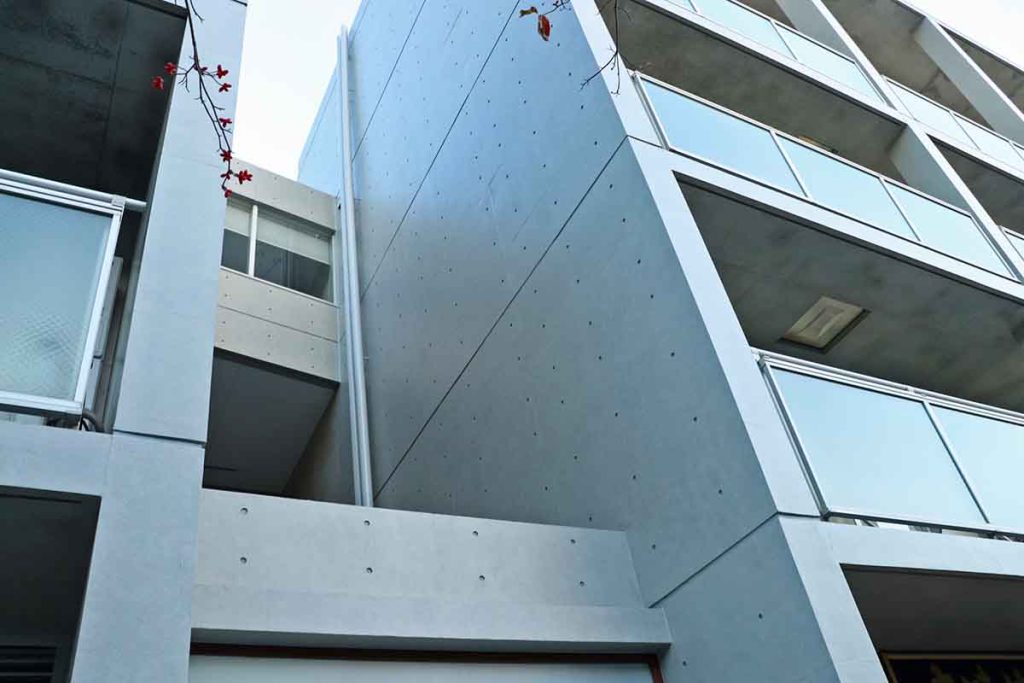
1. The Sengawa Station Court and City House Sengawa
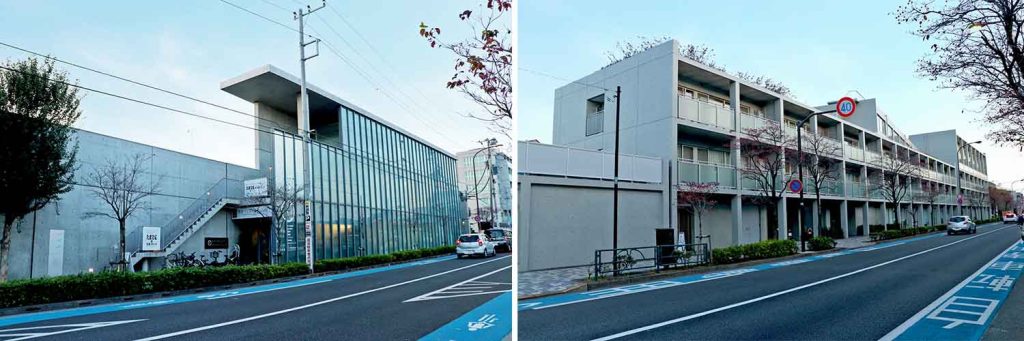
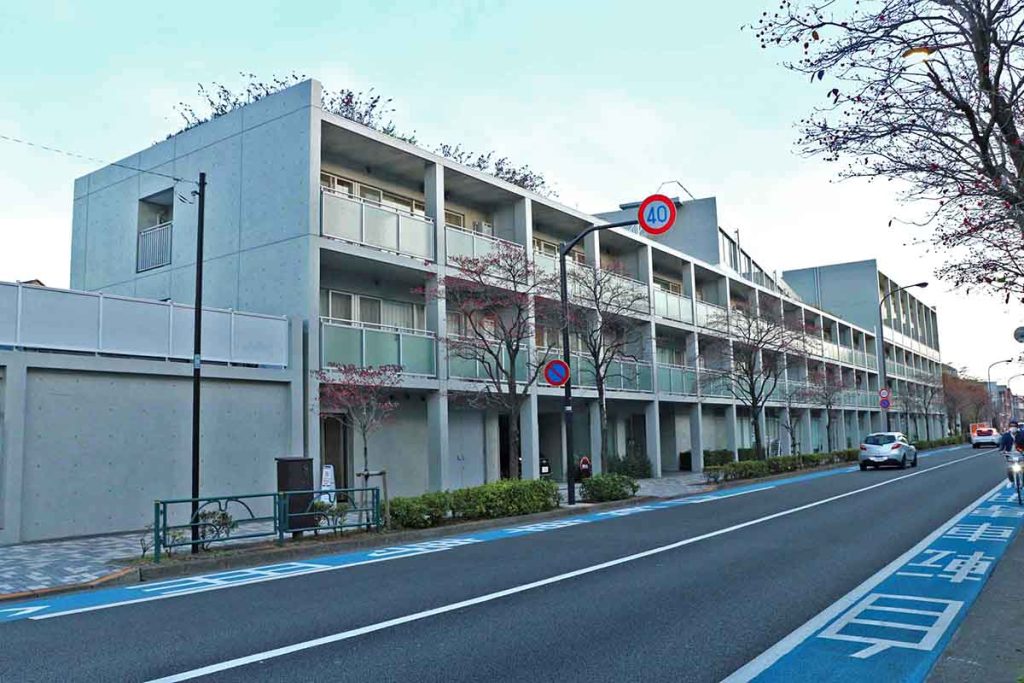
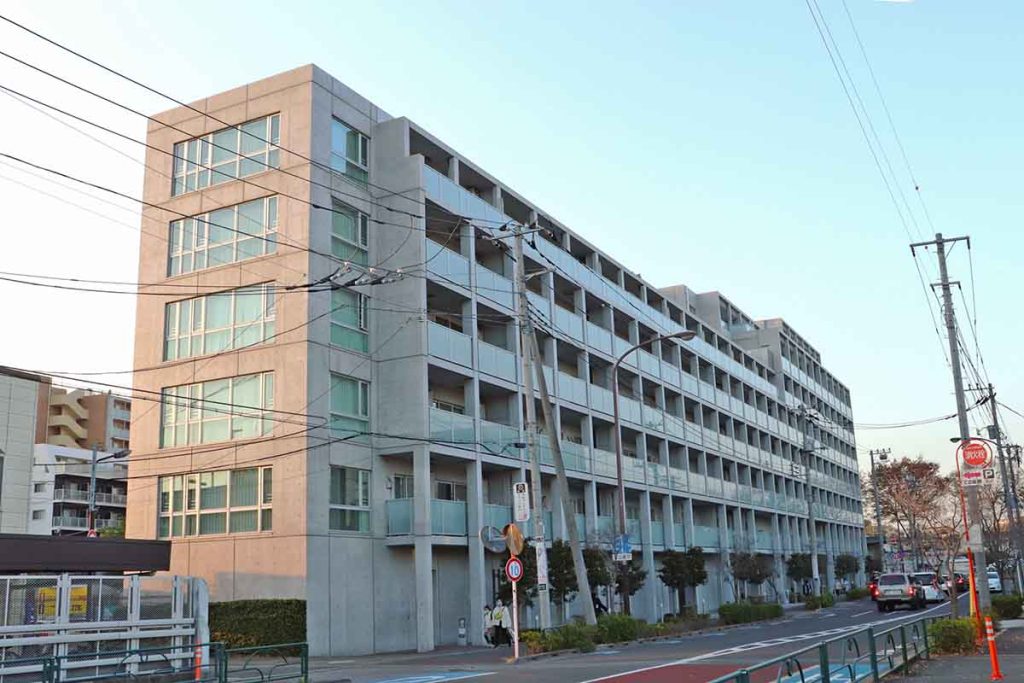
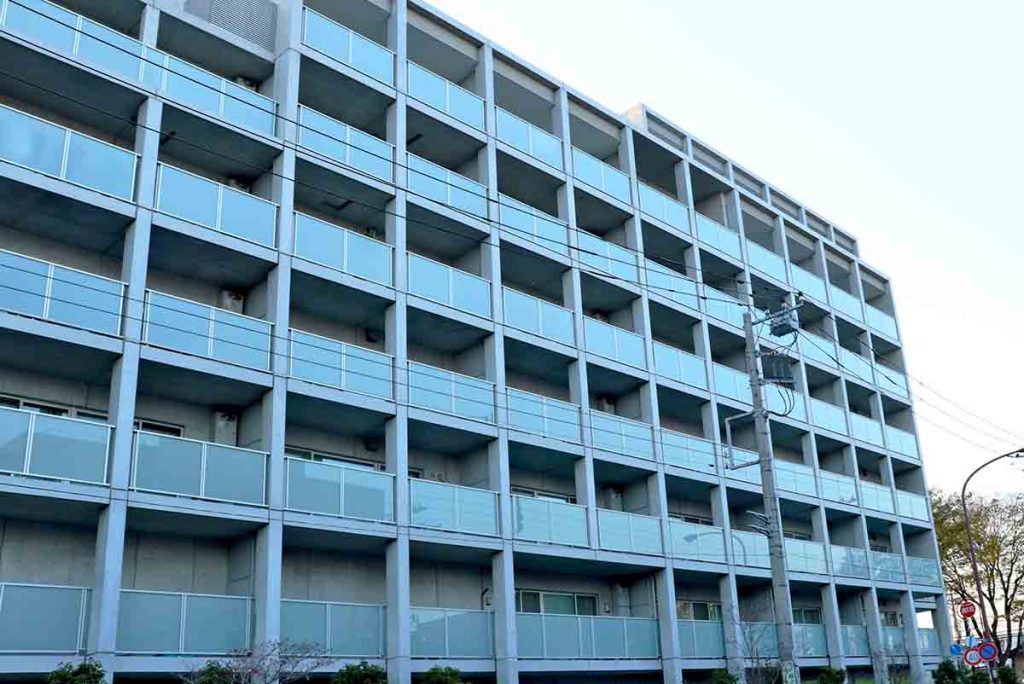
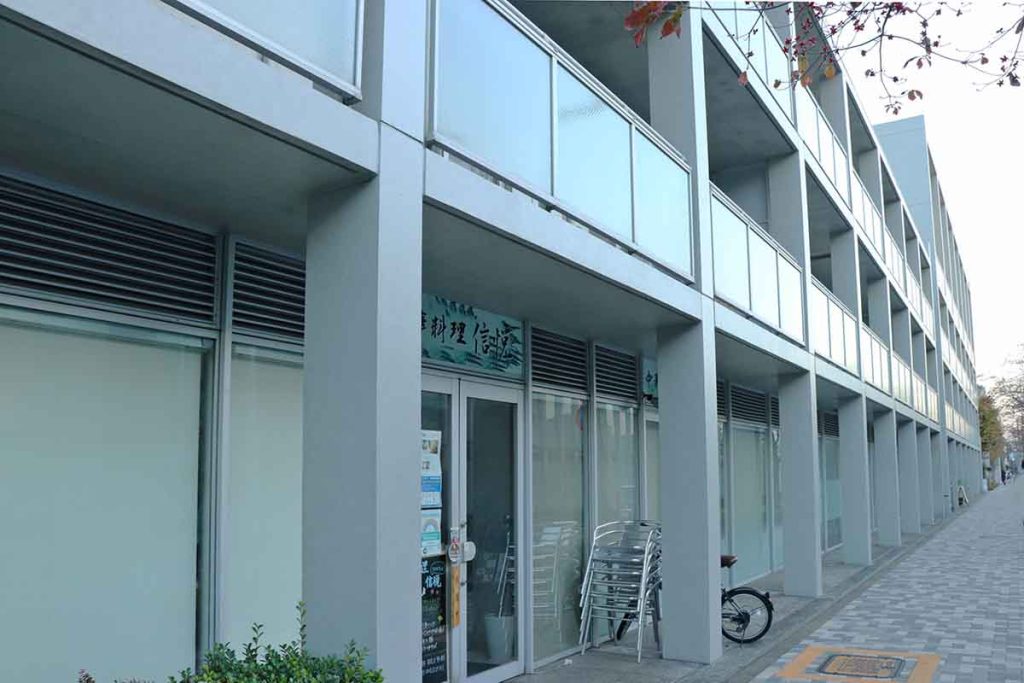
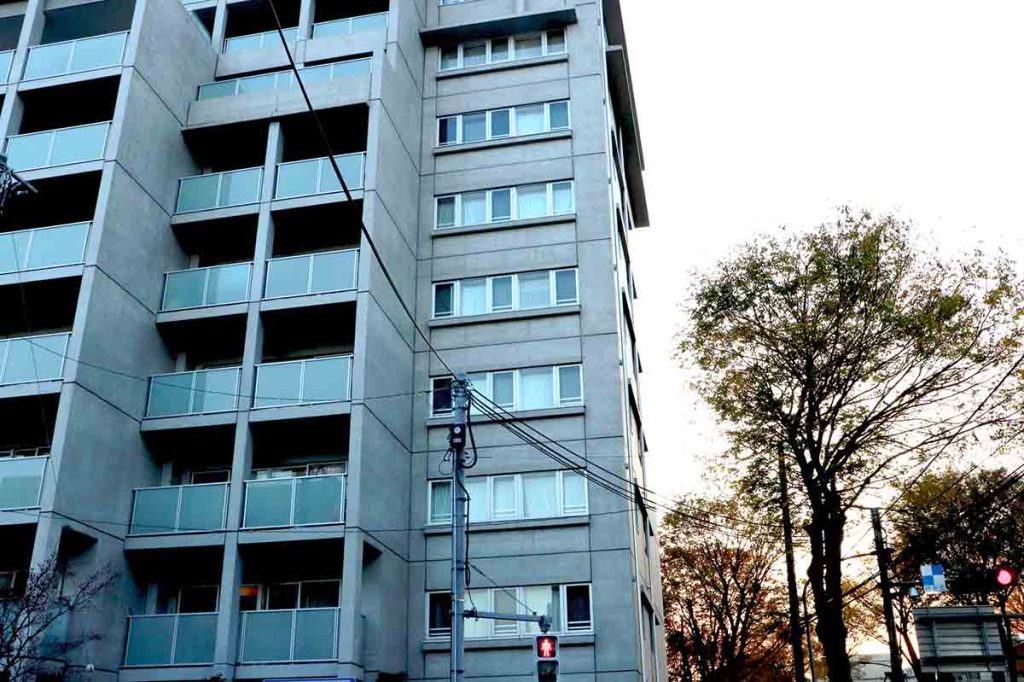
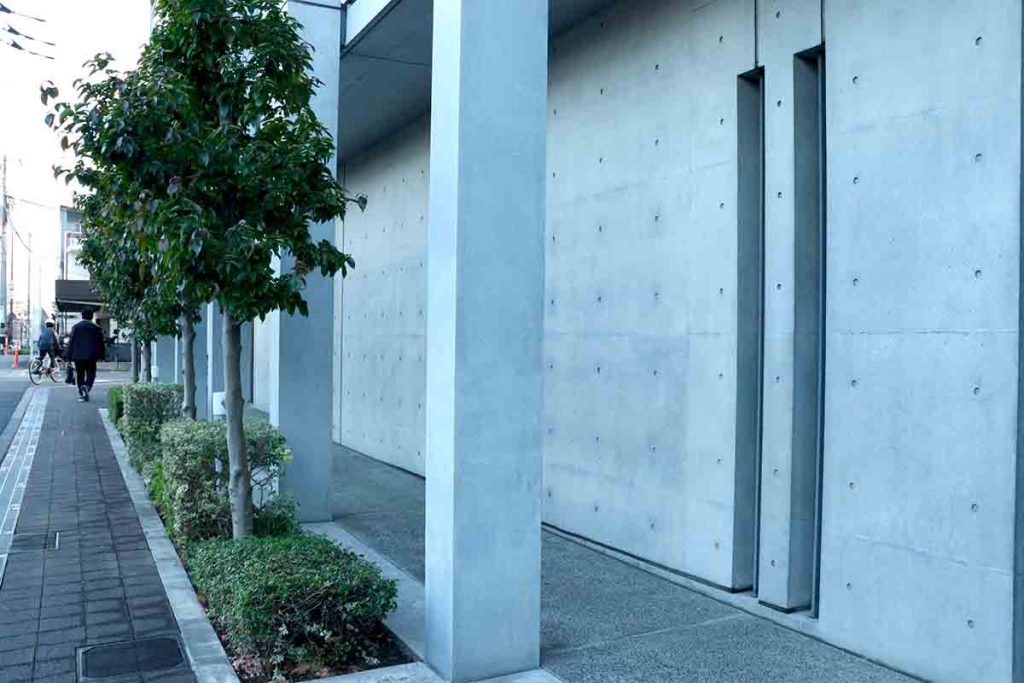
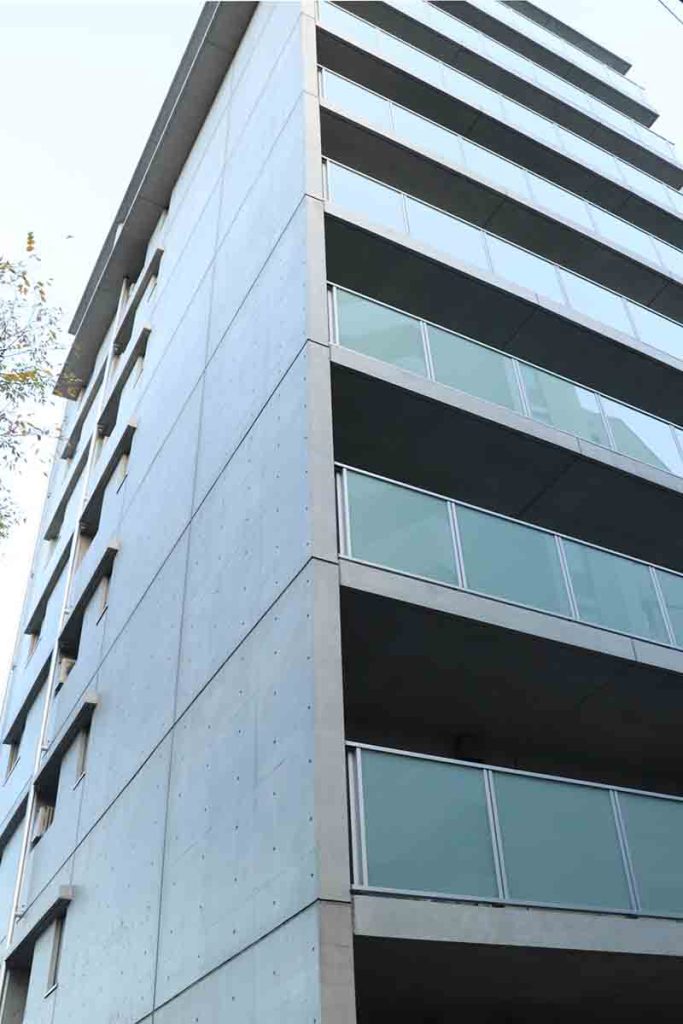
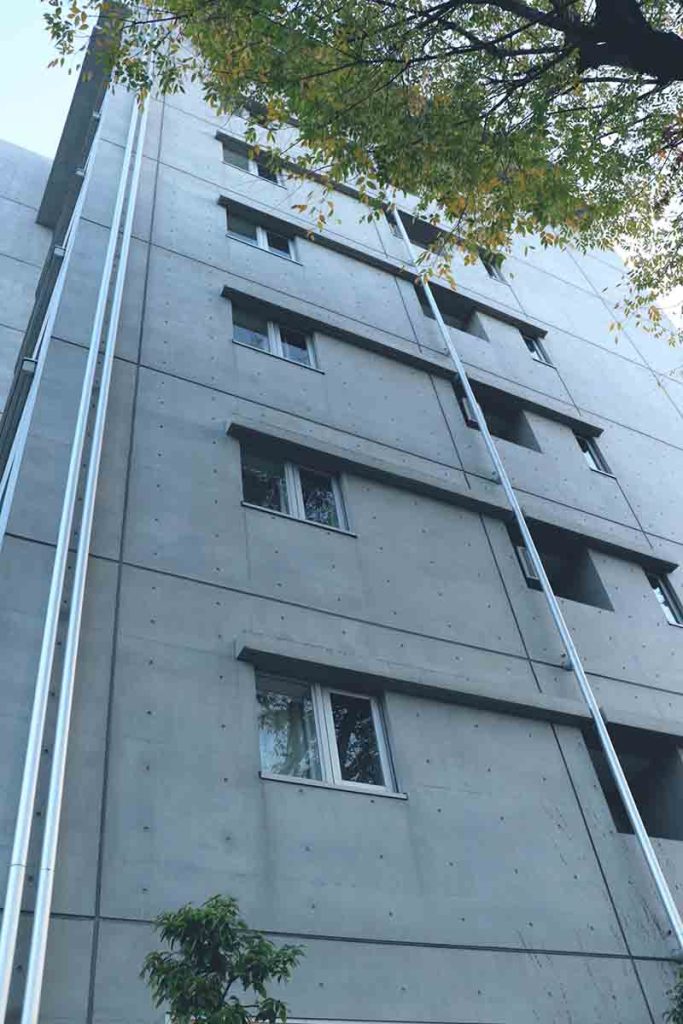
The Sengawa Station Court and the City House, Sengawa are residential complexes. It looks as if you can own/rent rooms that come about 60m2~, or $2000~ per month if available (when I last checked, there was no available rooms). The design has a Bauhaus/brutalist vibes, which feels a bit too hard for a residential building.
2. The Sengawa Delta Studio
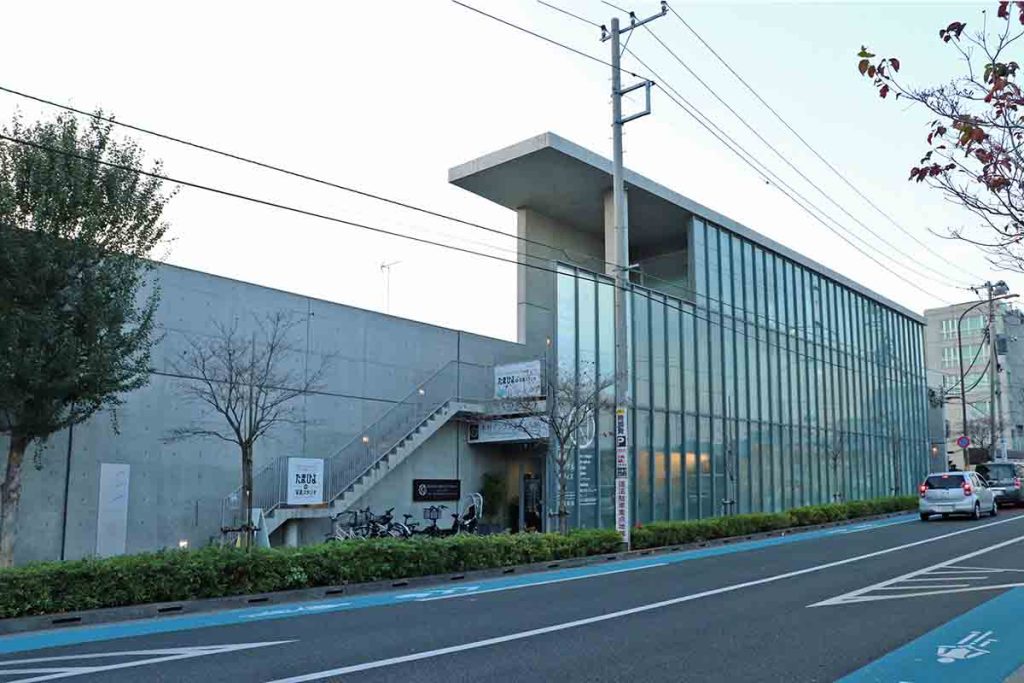
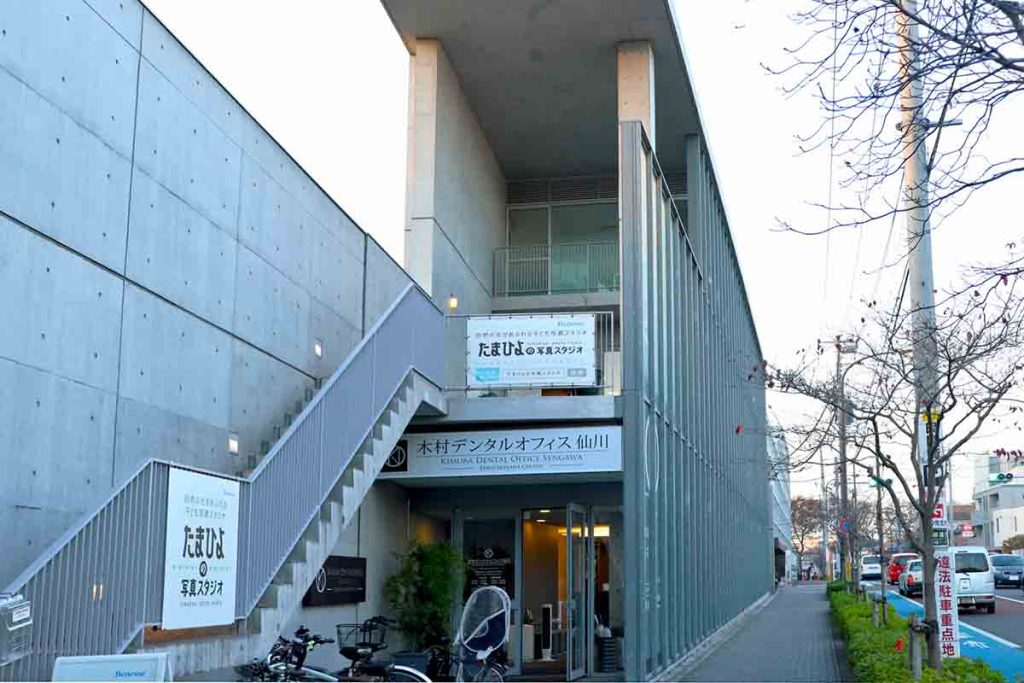
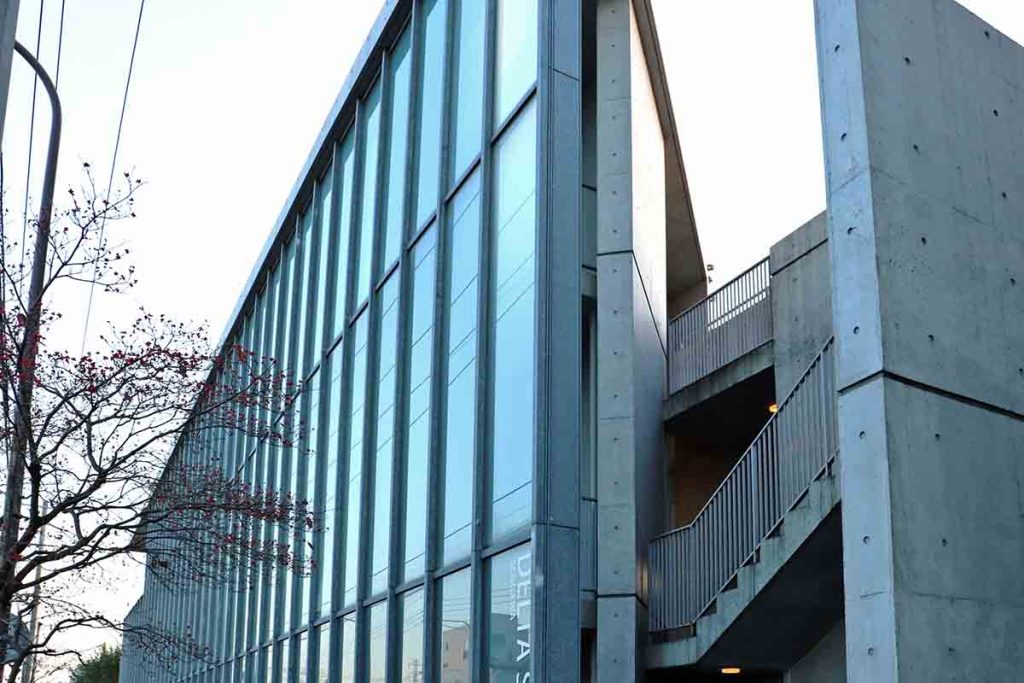
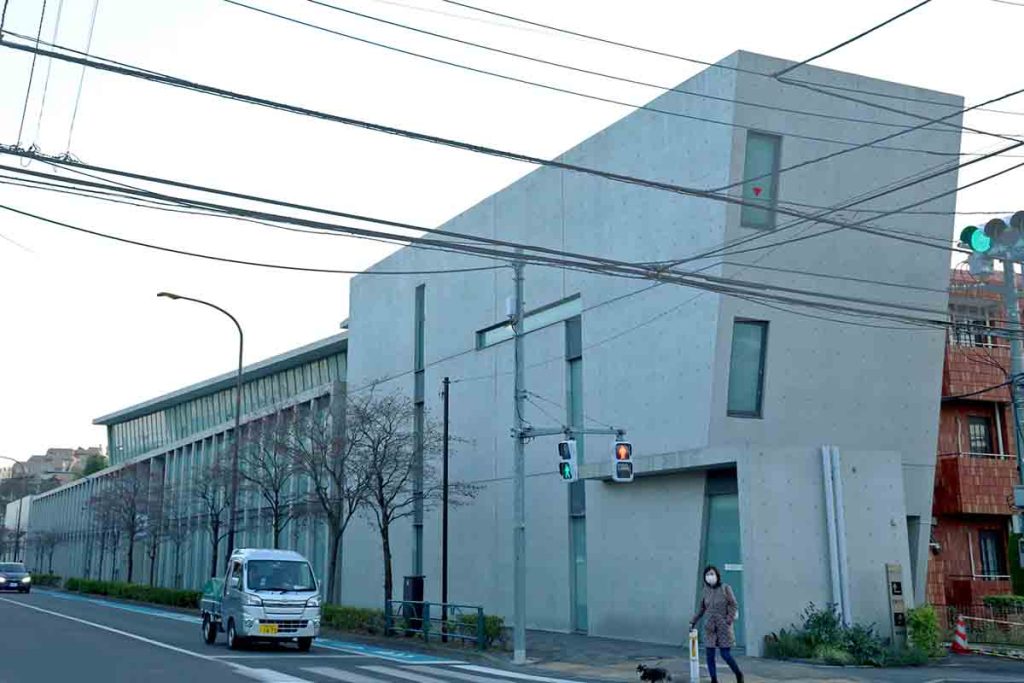
As this building sits on a very narrow lot, it’s really slim. It appears that it currently contains businesses such as a photo studio and a dental clinic. The main part of the building is covered with a glass wall, and next to it is a “wing” area made of flat concrete. It looks like a landmark or an object, rather than a building for practical use.
3. The Sengawa Theater
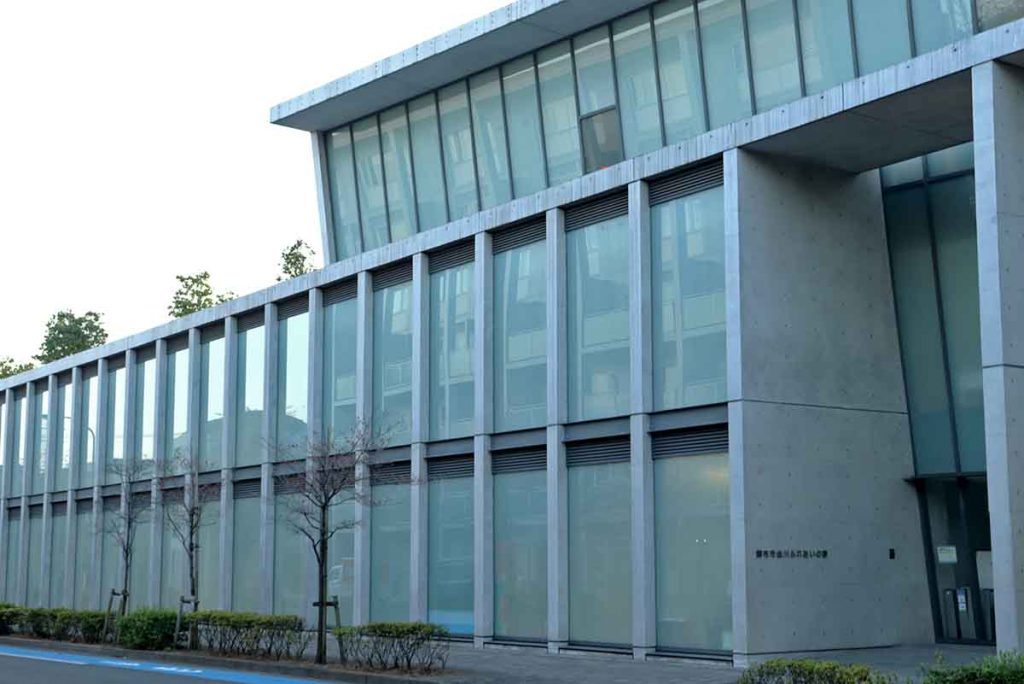
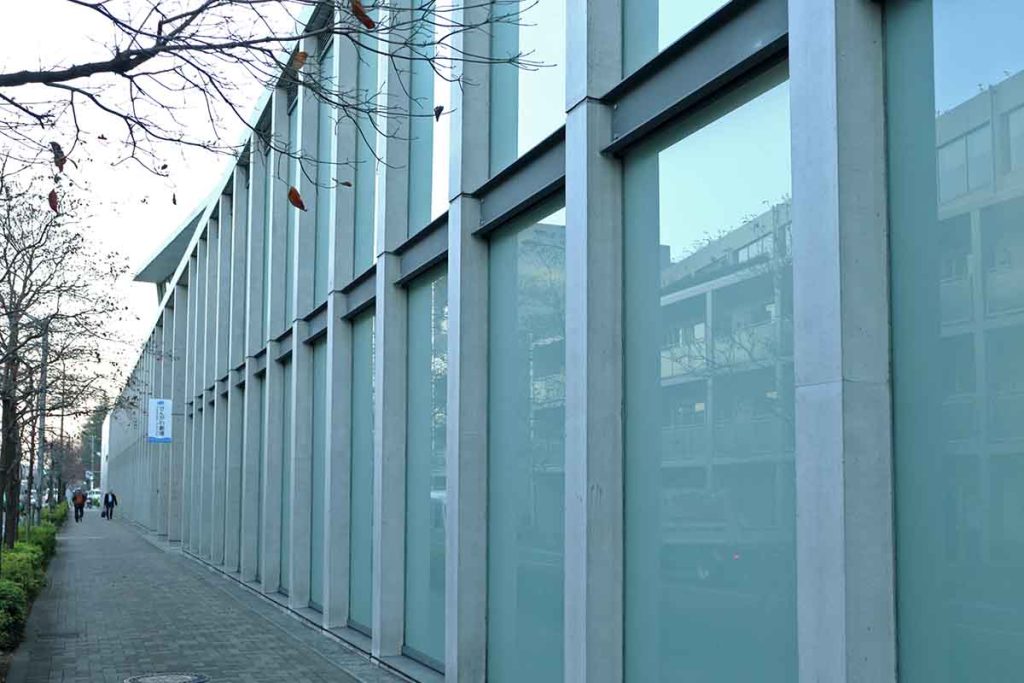
This building/complex is owned by the local government (Chofu City) and has the Sengawa Theater (capacity of 121), Sengawa Fureai no ie (community hall/rooms for parents with babies/young children) and Sengawa nursery/daycare. Just like other buildings in the area, the surface is covered by tall glass and you cannot see what’s going on inside.
4. The Tokyo Art Museum
The Tokyo Art Museum was my favorite building on the Ando Street. Check out the details in this post.
Leave a Comment