Overview of Katsura Rikyu
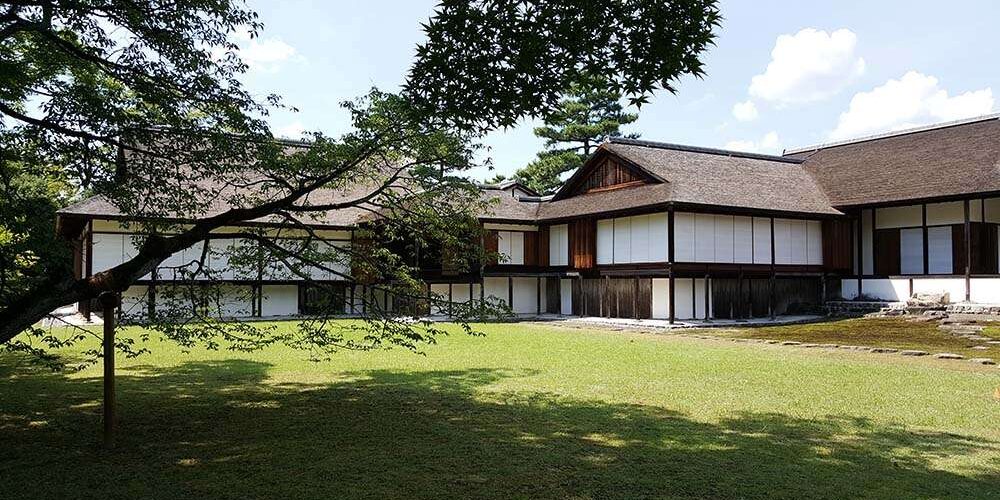
Katsura Rikyu (Katsura Imperial Villa) is often considered as the culmination of Japanese traditional architecture. It was built as a villa/retreat in the Western part of Kyoto for an imperial family during the Edo period. It is believed that the construction started sometime in the late 16th century, and the current layout was completed by early 17th century. Located by scenic Katsura River, where the social elites in the Middle Ages gathered to enjoy the moonlight, Katsura Rikyu boasts its peculiarly “modern” profile, dissolving into nature in a remarkably succinct yet refined way.
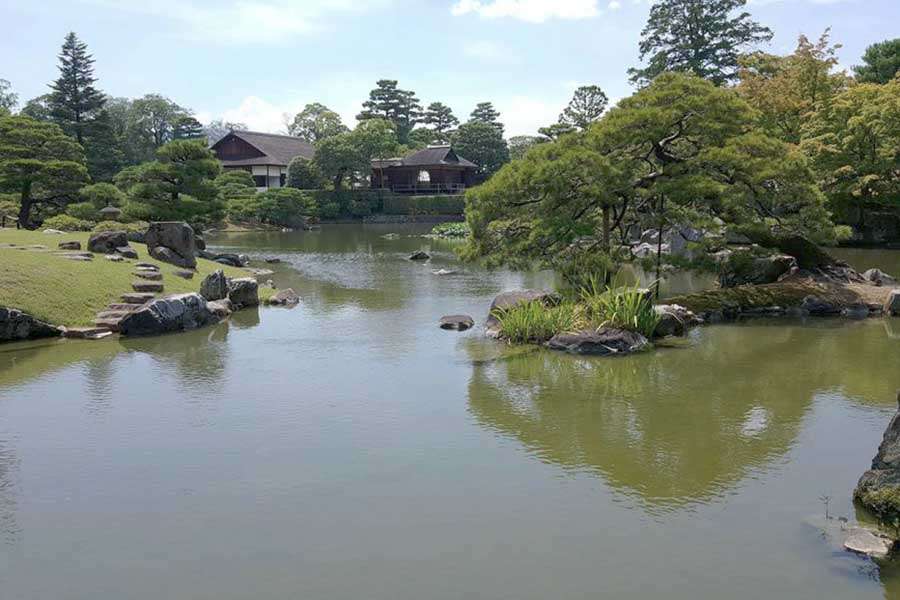
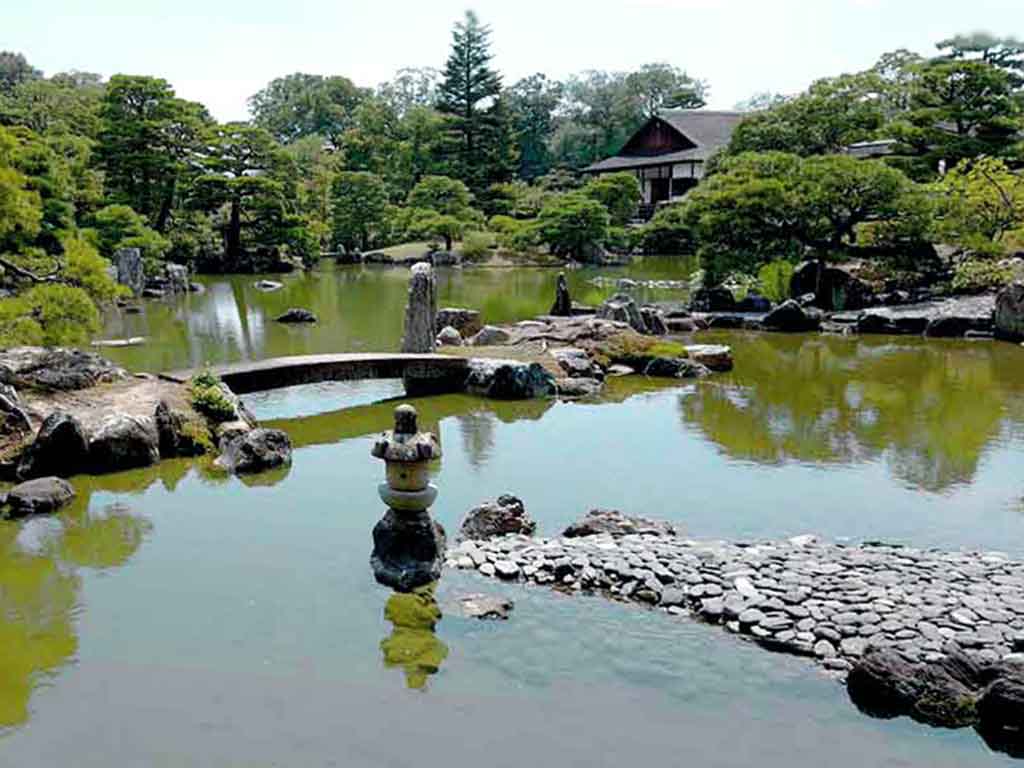
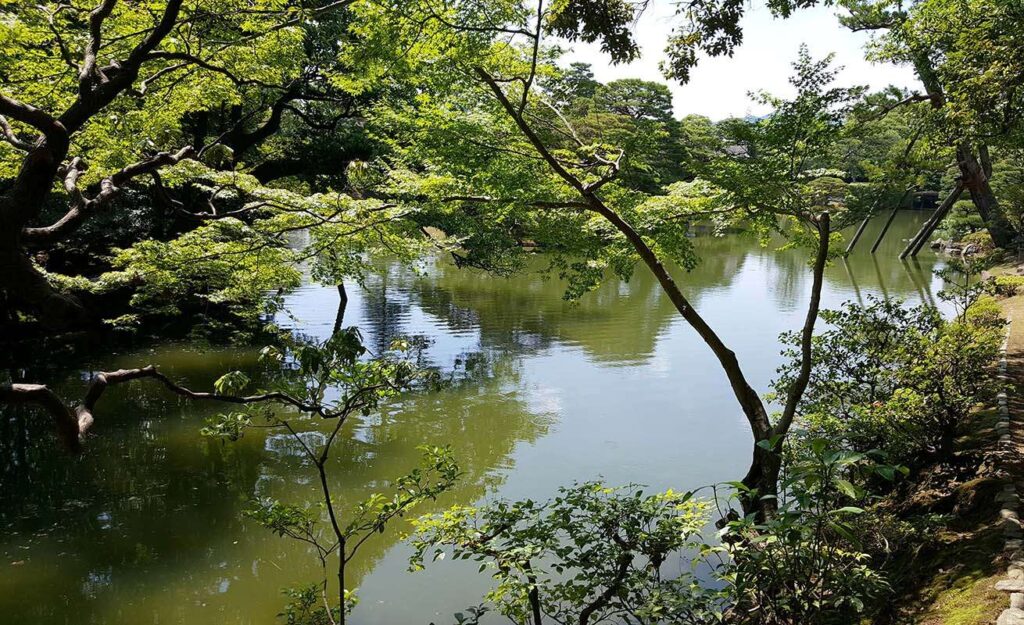
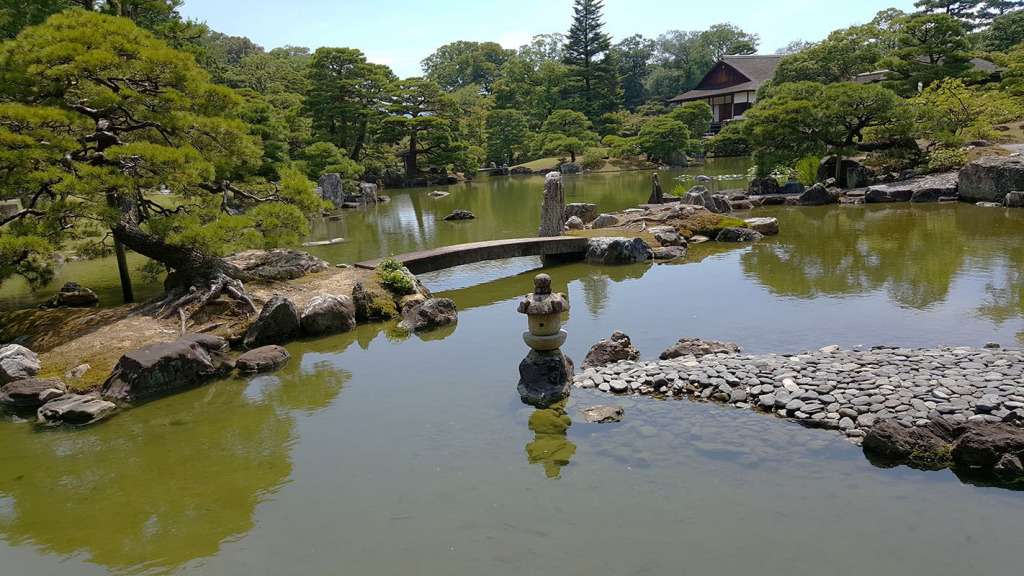
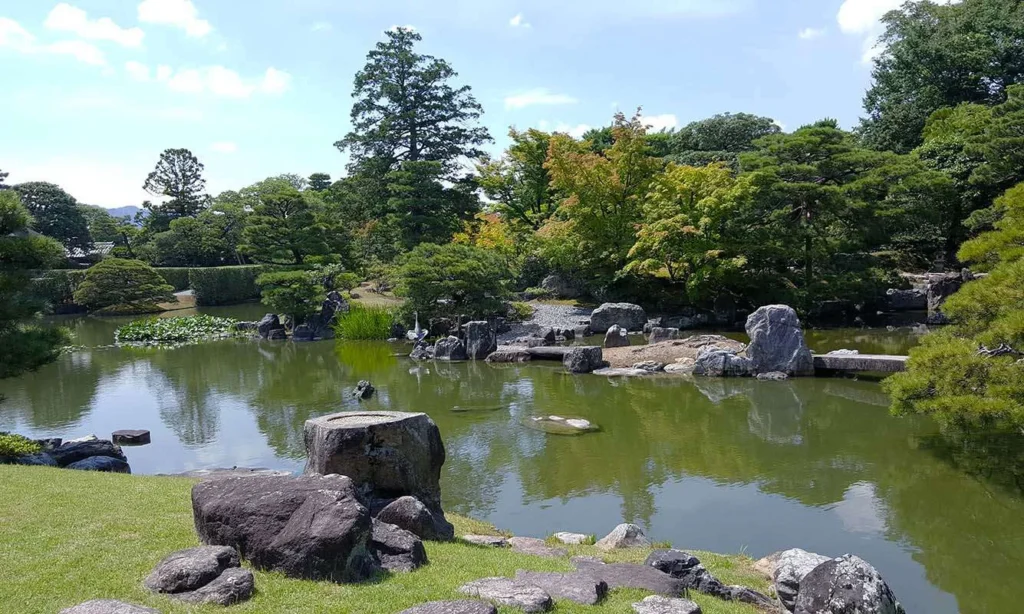
The Katsura Imperial Villa is set in grounds of approximately 70,000 m² (753,500 ft²), applying traditional Japanese landscaping technique called 池泉回遊式 (chisen kaiyu-shiki) garden. “池泉 (chisen)” means ponds/fountains, and “回遊 (kaiyu)” means strolling around. A pond an asymmetrical, labyrinthine shape with small tributaries branching off from the core. It is surrounded by vista points that often replicate either actual well-known natural beauties such as mountains, waterfalls, beaches, or mythical/religious paradises. Tea houses and gazebos are installed so that visitors can stop and enjoy the view. Plain, winding (and usually clock-wise) paths connect them by circling the ponds. You cannot grasp the entire property no matter where you are. The whole landscape is carefully designed so that the complex water body works to isolate one area from the rest, the trees, mounds and/or buildings blocking your far-sight view. This effect defines the fundamentally “undefinable” characteristics of Katsura. Devoid of a panoramic, all-encompassing view, you are lost in local, microcosmic nature. Since each pocket has its own characteristics and views, you’d feel like you are in a maze full of natural wonder.
Katsura Rikyu Design Philosophy
The Katsura Rikyu is unique in that there is nothing ostentatious for a mansion built by a social elite family. Priorities were put to make each and every design element to be in harmony with surrounding environment. Where did such design philosophy come from?
八条宮家智仁 (Hachijo no Miya Toshihito Shinno), grandson of the 106th Tenno (Emperor) Ogimachi, started the Katsura project sometime around 1615-1620. It was when the Tokugawa dynasty, led by a powerful samurai leader Tokugawa Ieyasu, was solidifying its position to rule the country. As the result, aristocrats including Toshihito were increasingly losing political influence. Intellect, art-loving aristocrats like Toshihito were feeling nostalgic about the Heian era (8th~10th century) when their side ruled the society to enjoy glory. The Heian aristocrats also took pride in leading cultural activities such as reading, writing traditional Japanese waka poems, playing music or indulging in love affairs. Toshihito attempted to re-create a dream house of Heian aristocrats, which meant maximizing the joy interacting with the surrounding nature.
Katsura Rikyu Facilities
According to the Kunai-cho (Imperial Household Agency) that manages Katsura, there are 18 facilities and vista points.
1. Miyuki michi path
2. Soto koshikake
3. Sotetsuyama Hillock
4. Suhama Seashore
5. Amanohashidate
6. Stone bridge
7. Shokintei
8. Shokatei
9. Onrindo
10. Shoiken
11. Gepparo
12. Koshoin
13. Moon-viewing Veranda
14. Chushoin
15. Shingoten
16. Sumiyoshi Pine Tree
17. Katsuragagi Hedge
18. Hogaki Hedge
7. Shokintei
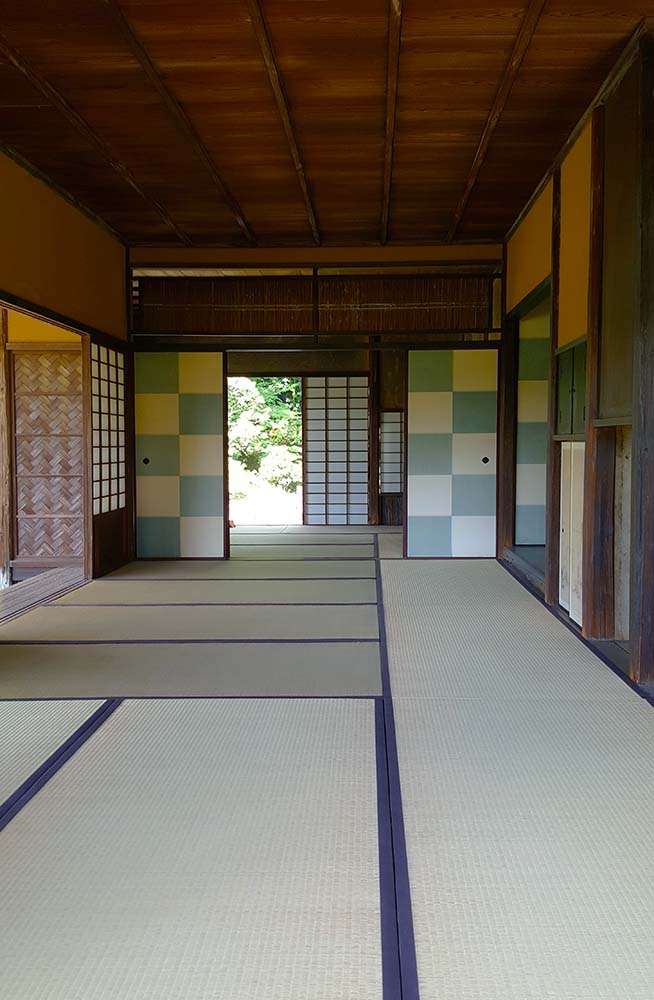
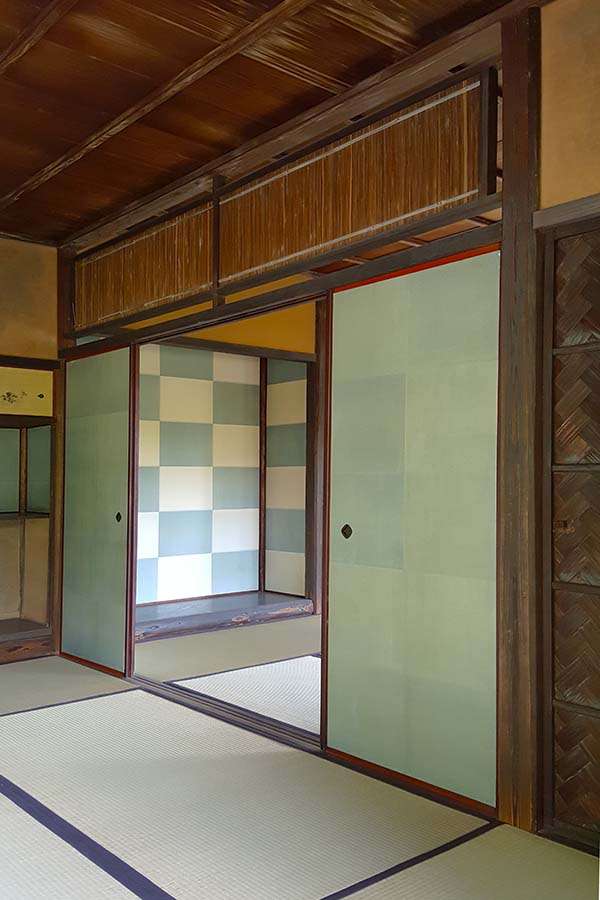
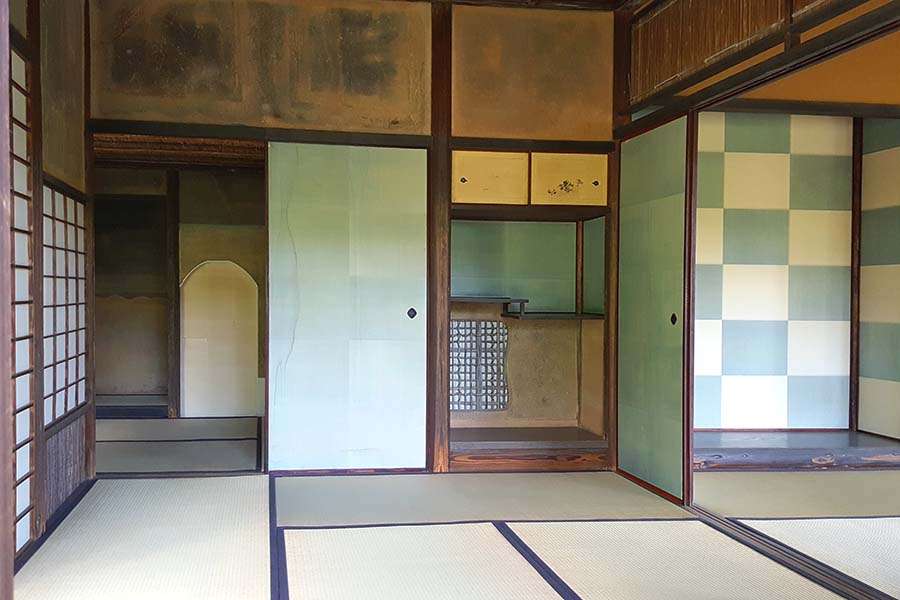
Shokintei is the highest-class chaya (tea hut) at Katsura Rikyu. It’s widely known for its modern blue and white checkered pattern, but there are a lot more striking design details in this architecture.
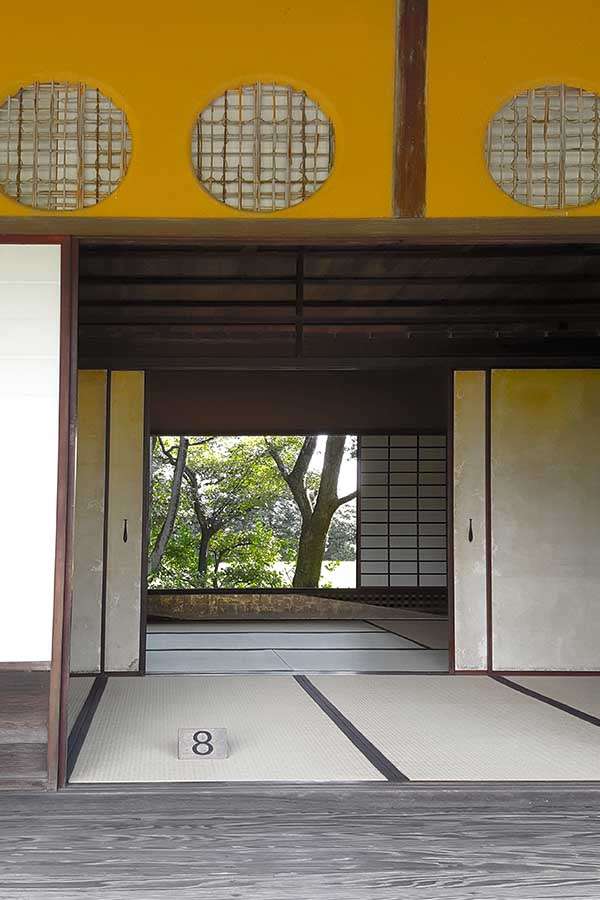
10. Shoiken
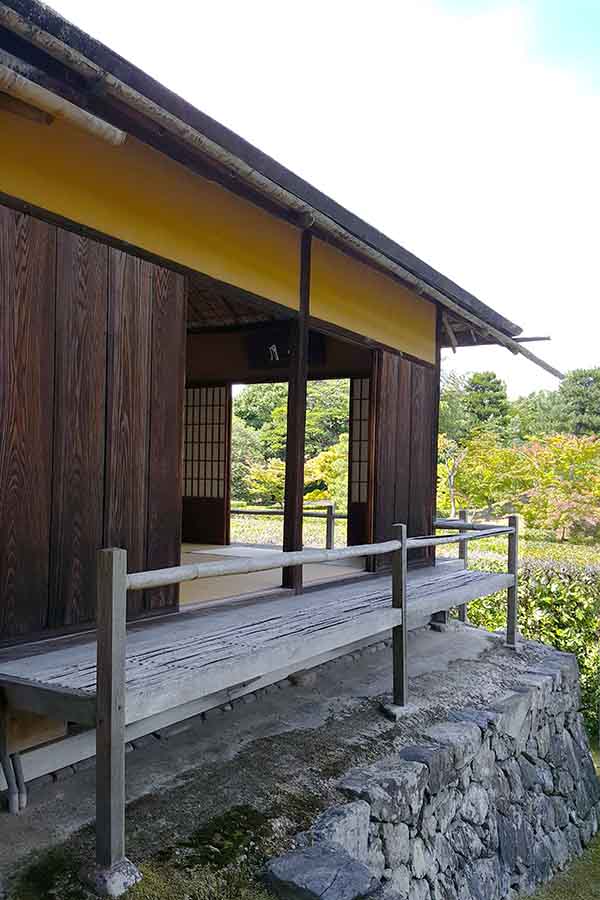
Shoitken is built using the technique called 数寄屋造 (sukiya-zukuri). As sukiya-zukuri started as a counter to 書院造 (shoin-zukuri), which focused on formality and class, it leveraged non-conventional, rustic and simple materials/designs often favored by chajin (tea experts). Shoiken will surprise you with many such progressive details.
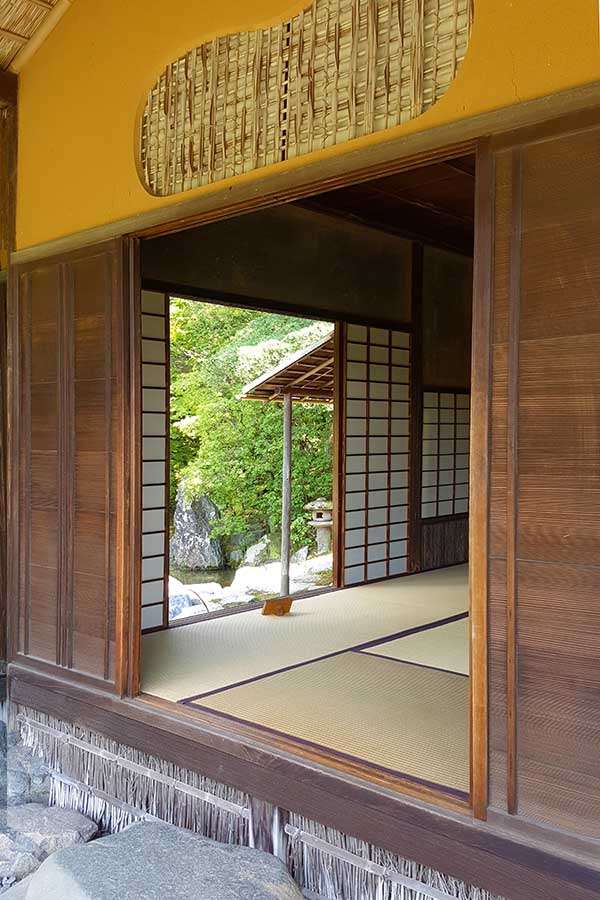
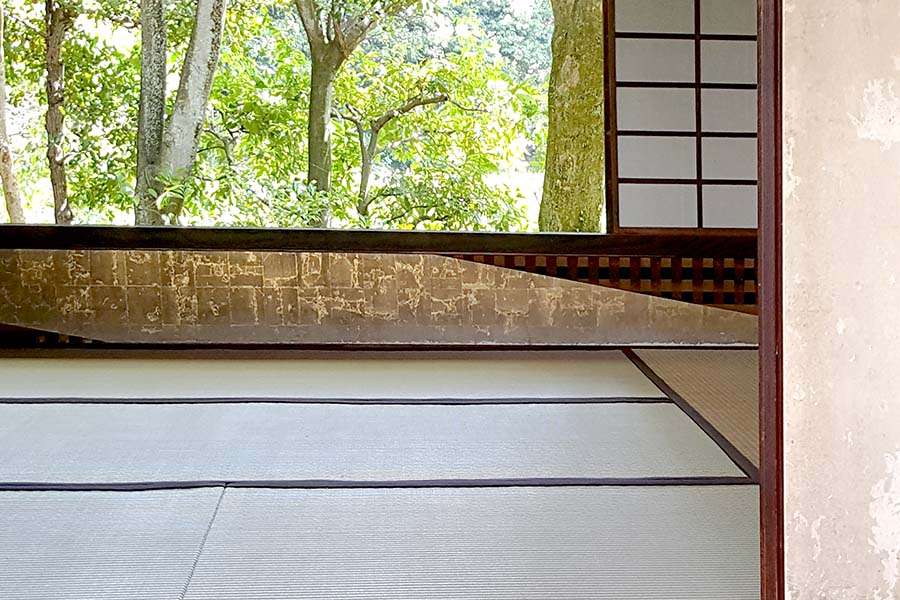
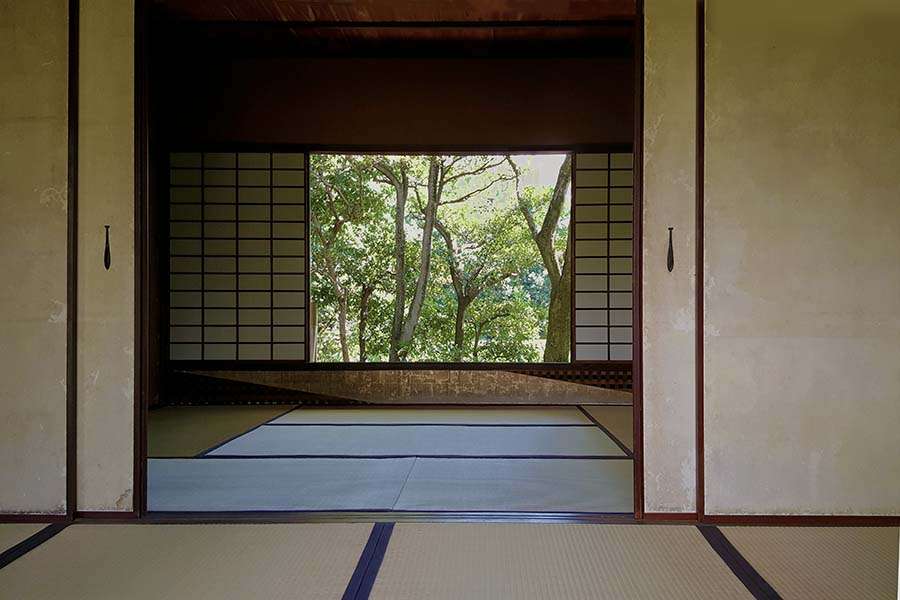
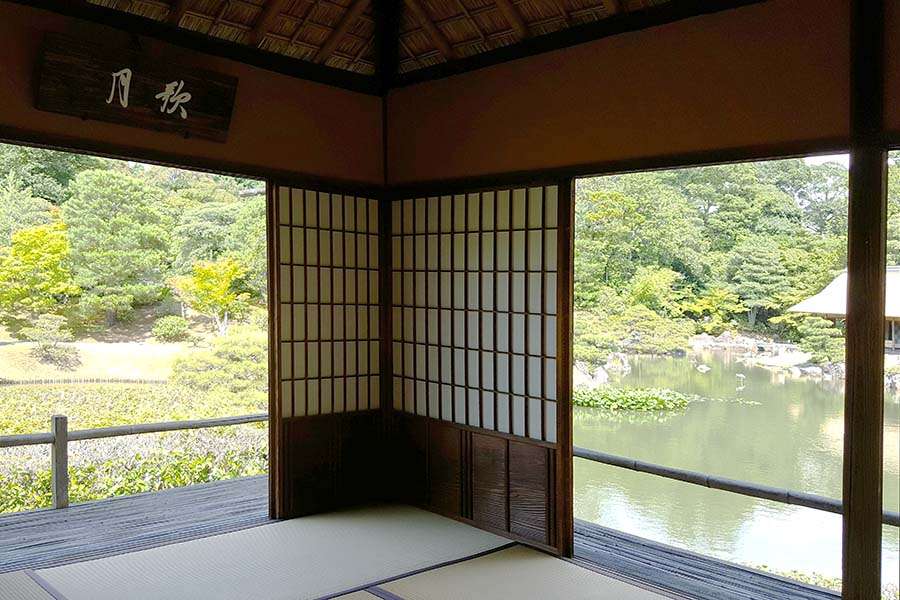
11. Gepparo
Gepparo means “moon waves house.” It is situated on a raised ground by the pond, and has a stunning view of the water body. People must have used this facility to enjoy the Moon reflecting on the water. The house across the water is shokintei, which is shown above.
Shoin
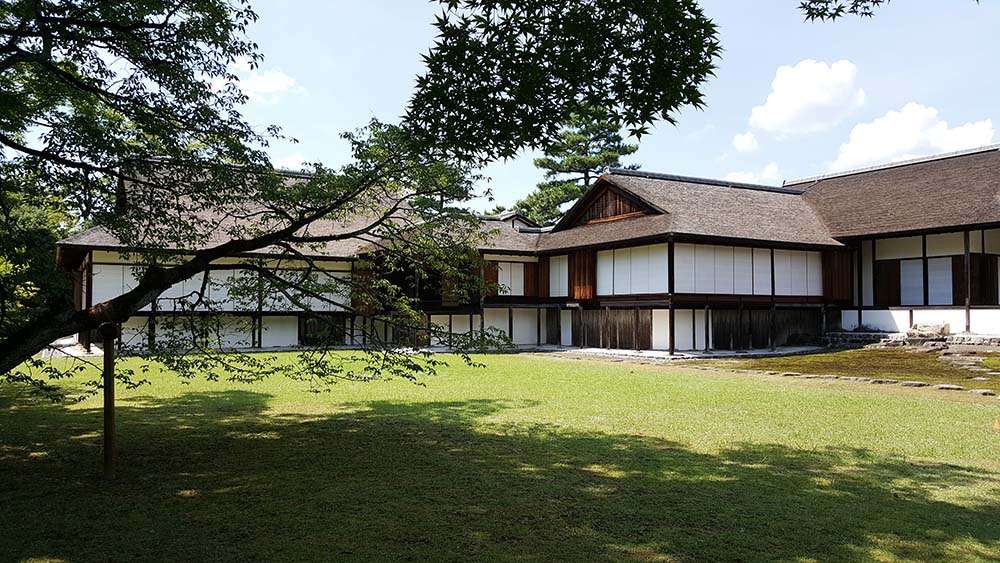
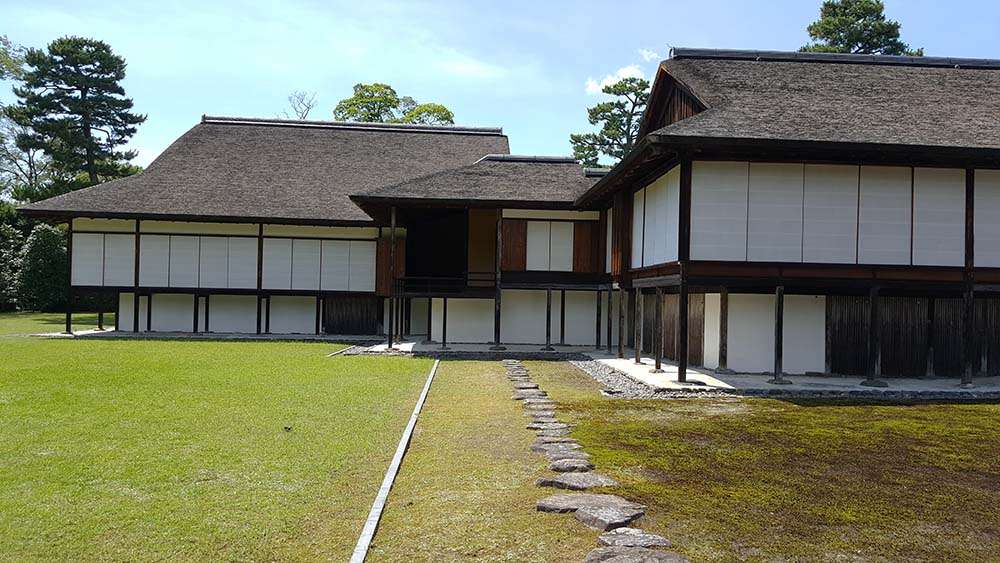
Shoin is the main architectural complex of Katsura. It has raised floors and 入母屋屋根 (irimoya roofing). White shoji (paper doors with wooden frames) furnished to surround each room. Along with the white walls, they create a crisp contrast with the dark yet fine pillars and roofs.
Leave a Comment