Japanese food is usually considered healthy, but it’s not always the case. There are Japanese dishes that includes lots of carbohydrates, sodium, fat and other unhealthy ingredients. How about your favorite sushi, ramen, teriyaki chicken, tempura, shabu shabu, sukiyaki, tonkatsu or katsu curry?
What to watch in Japanese dishes?
How much rice per serving?
Short-grain rice, or sushi rice, is sweet, which means that it contains quite a bit of carbohydrate. 100 grams of rice (which is about one serving) can contain up to 30 grams of carb, which is quite similar to pasta. As Japanese restaurants outside Japan tend to serve excessive amount of rice, it might be a good idea to ask when you order if they can reduce the amount.
Teriyaki sauce is sweet
Some Japanese sauces such as teriyaki and tonkatsu sauce are sweet as they can contain mirin (rice wine), sake and sugar. All of them are carbohydrate-rich. Too much sauce can make your plate high in calories.
How fat is your tempura?
Authentic Japanese tempura is known for thin, light and crispy batter that lets you enjoy the ingredients such as shrimps and vegetables. However, tempura (and other deep fried food such as tonkatsu) served outside Japan is often coated with very thick batter, which compromises what tempura is all about. It’s so much so that you can end up eating more high calory flour and oil, rather than the main ingredients.
How much soy sauce does it use?
Soy sauce contains a lot of salt. One table spoon of soy sauce could include as much as 900 mg of sodium. Too much sodium intake can result in high blood pressure, stress your kidney and cause other symptoms. It’s a good idea to watch your soy sauce intake.
Does it use MSG?
Monosodium glutamate (MSG) is a flavor enhancer, which is often used in Asian cooking. While it’s still debated if MSG actually affects your health, some people are definitely sensitive to MSG (including myself.) While I feel sick when I eat MSG, it causes Meniere’s disease to one of my family members. In addition, the unnatural aftertaste stays on my tongue for a long time and makes me feel even worse.
Rating Popular Japanese meals
Sushi
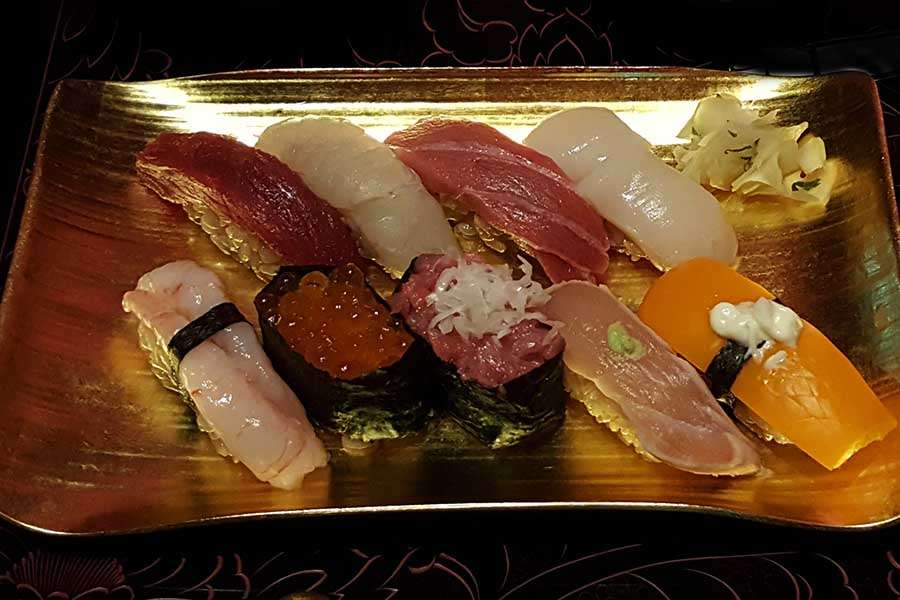
Healthy option (left): authentic sushi with small portions. No excessive sauce. Just a little bit of say sauce.
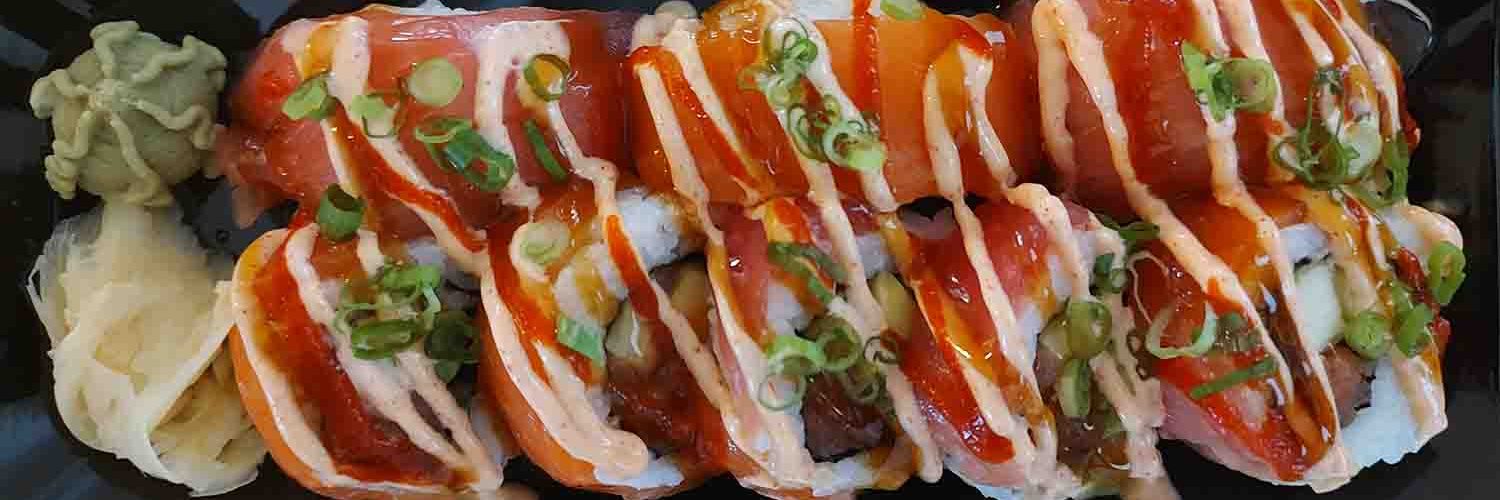
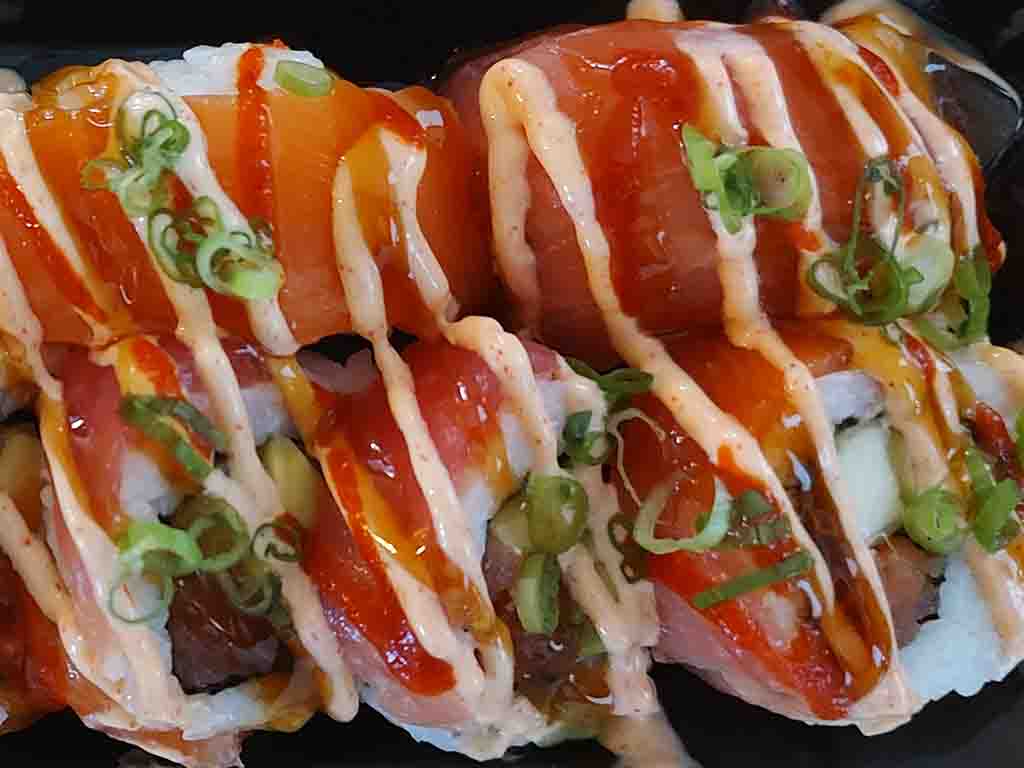
Unhealthy option (right): Large portion with lots of rice. Excessive sauce and say sauce.
Ramen
Ramen is a typical “guilty” food in Japan because it easily uses more than 150 grams of flour noodle and can contain about 2000 ~ 4000 mgs of sodium. Many Japanese make ramen as a “cheat day” dish, because you can easily gain wait or end up taking too much sodium if you eat it on a regular basis. Instant ramen can also be unhealthy although it’s also addictive.
Teriyaki Chicken
Teriyaki chicken may sound like a healthy choice, but you might want to pay attention to the amount of rice and sweet teriyaki sauce, which can also contain MSG.
Tempura
The ingredients of tempura such as seafood and vegetables are healthy. But when they are small compared to the amount of batter that cover them, you will end up eating more flour and oil. In addition, tempura dipping sauce can be sodium-rich. Like sushi, authentic tempura is not about quantity or excessive batter.
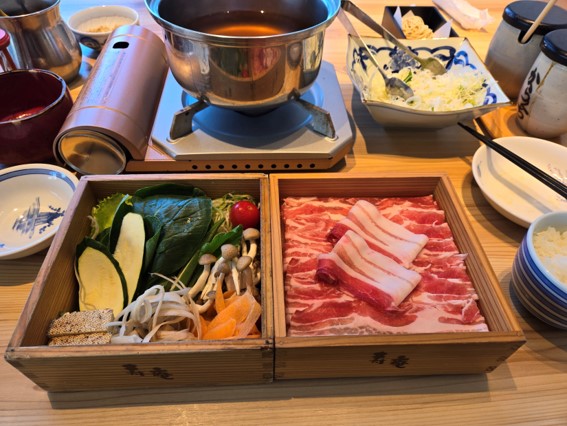
Shabu Shabu
Among Japanese dishes that are popular outside Japan, shabu shabu can be one of the healthiest choices as you can eat lots of boiled vegetables and you can remove excess fat from meat when you “shabu shabu” it in a pot. However, shabu shabu restaurants outside Japan may serve excessive amount of rice with the pot (which is very rare in Japan, as the carbohydrate – rice or noodle – is a “closer” of the course.) It is easy to cook shabu shabu at home, which can be the healthiest choice as you can use as much vegetables as you want.






Leave a Comment