
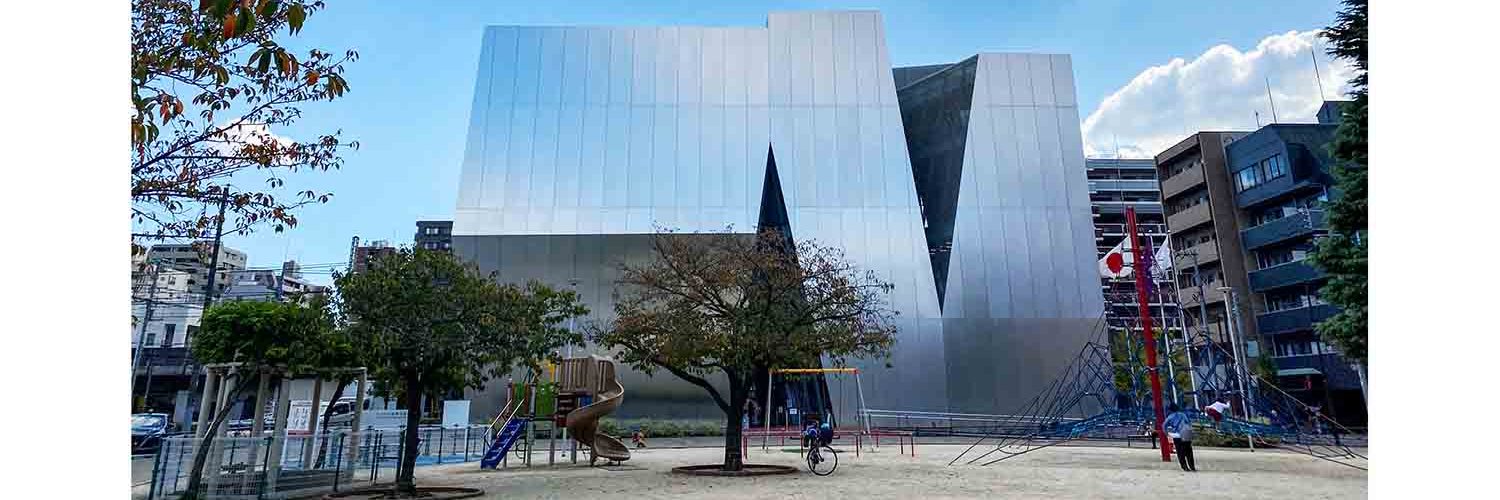
About the Sumida Hokusai Museum
Katsushika Hokusai (1760-1849), one of the most widely known/acclaimed ukiyo-e painters, was born and spent most of his life in current Sumida-ku in Tokyo. Architect Kazuyo Sejima, who co-founded SANAA with Ryue Nishizasa, was tapped by Sumida-ku to design The Sumida Hokusai Museum, which opened in 2016 to celebrate unparalleled accomplishments by its very own ukiyo-e master.
Here’s how to get to the Sumida Hokusai Museum.
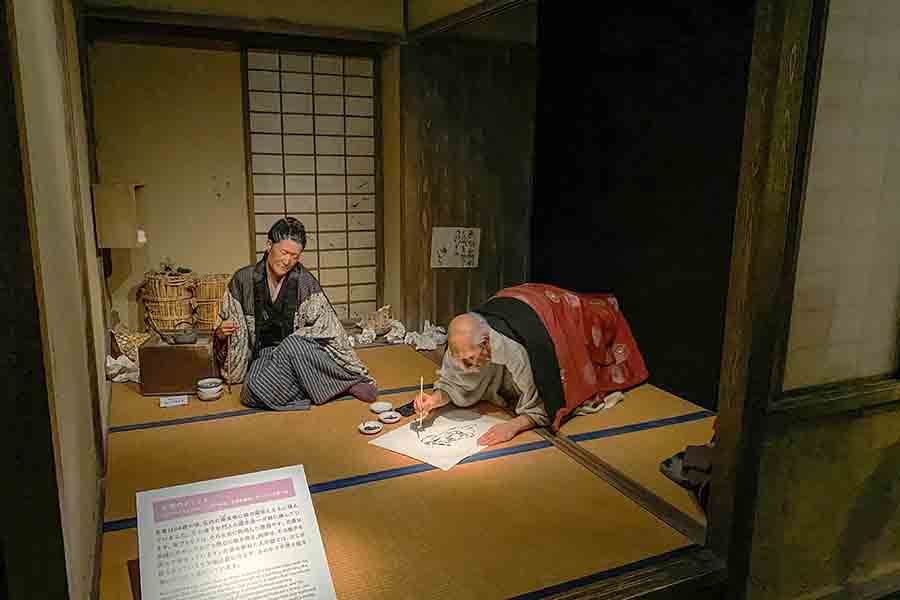
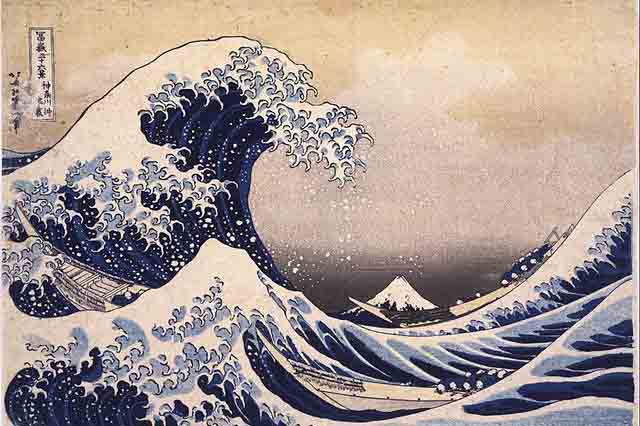
Sejima Design Philosophy of the Sumida Hokusai Museum
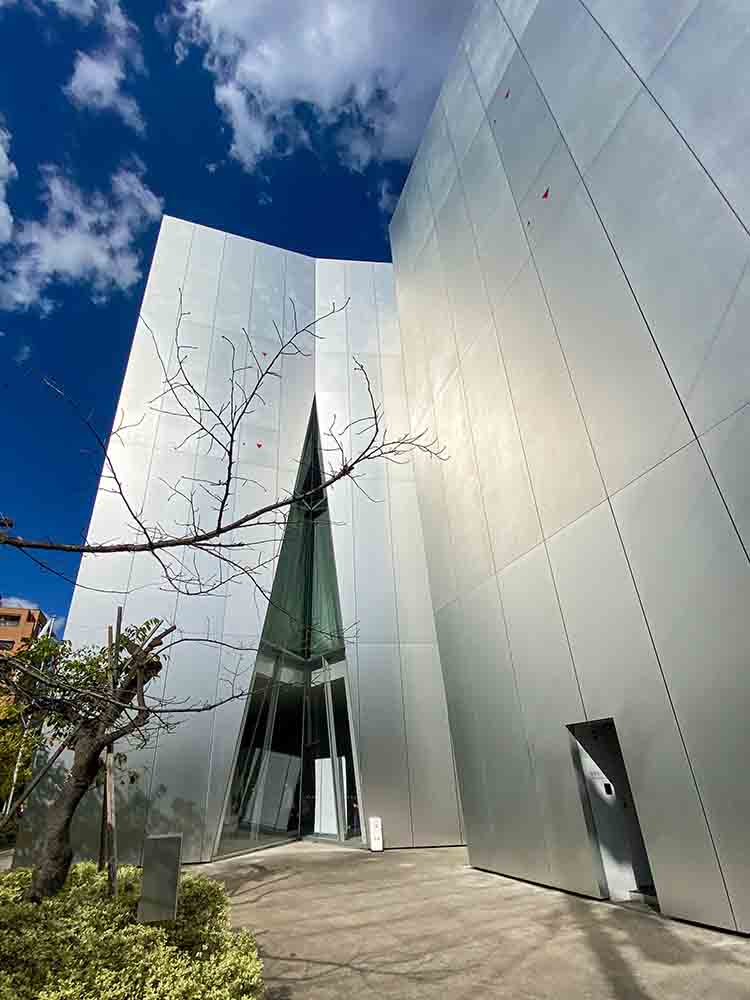
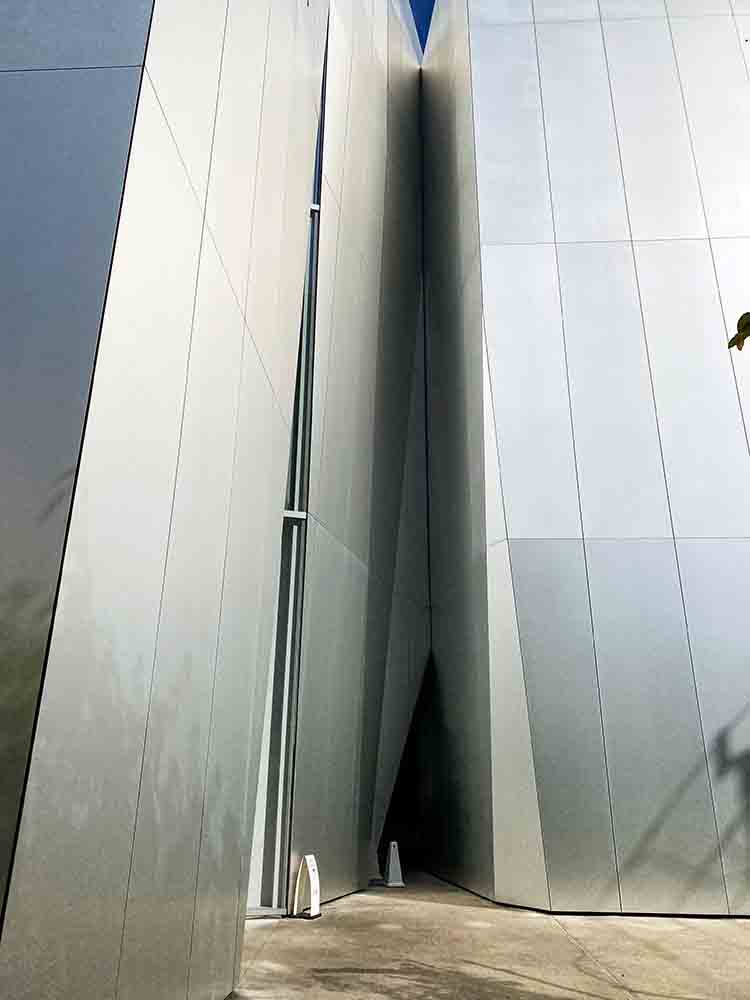
Sumida-ku is so-called “shitamachi,” the old parts of Tokyo with 200 years plus history since the Edo era (1601-1868). While the area still maintains traditional wooden houses and narrow lanes and alleys, it is increasingly dominated by modern large concrete buildings. The Sumida Hokusai Museum is surrounded by a patchwork of old and new residential, commercial, light industrial zones and right next to a park, a tennis court and rails. In order to fit into an environment that is a bit of an architectural hodgepodge, Sejima divided the building into several units with uneven sizes so that the entire mass would not overwhelm the neighborhood. Each unit is connected by narrow slits that serve as passages.
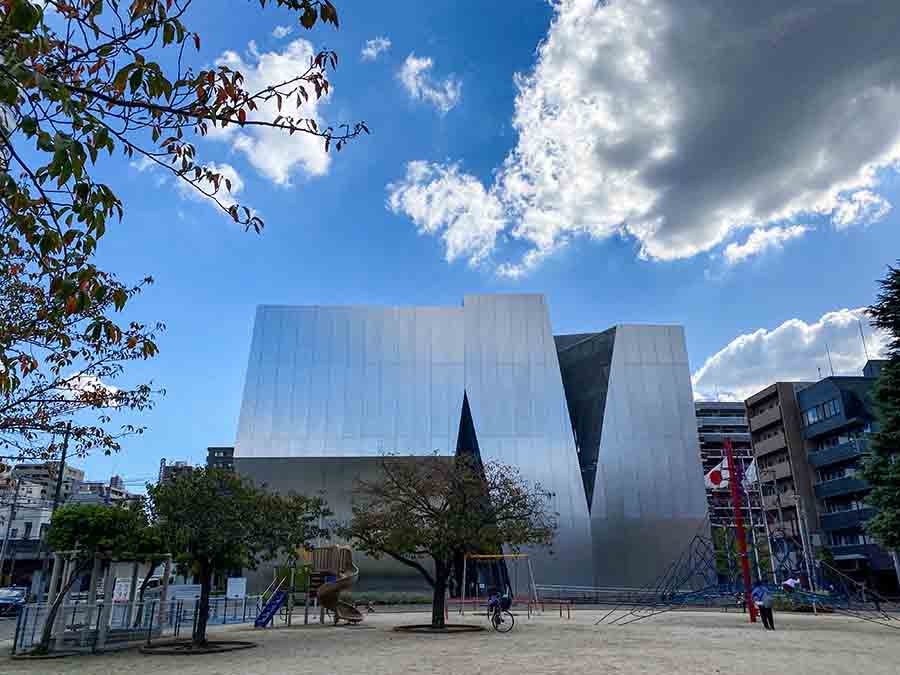
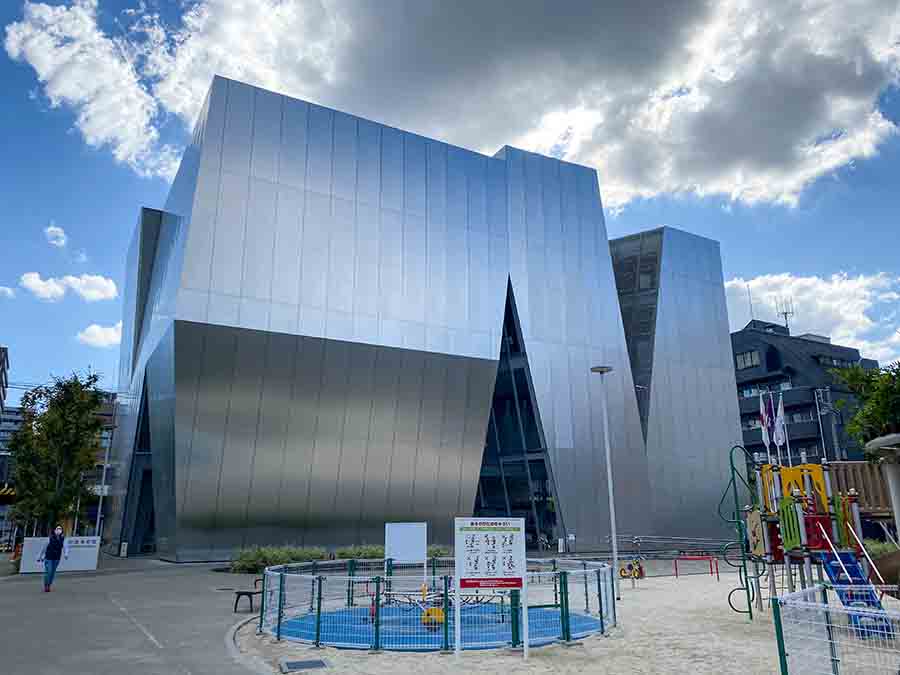
The Museum exteriors
The exterior is covered with aluminum sheets, which softly reflect the skies and the surroundings. With slanted walls, the reflections can be some of Hokusai’s works that applied multiple perspectives.
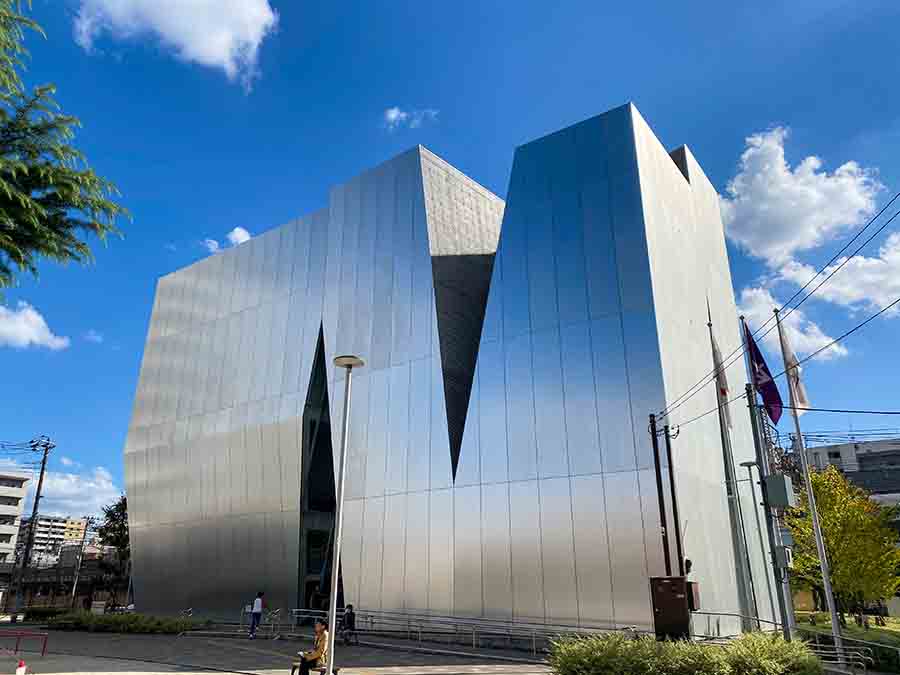
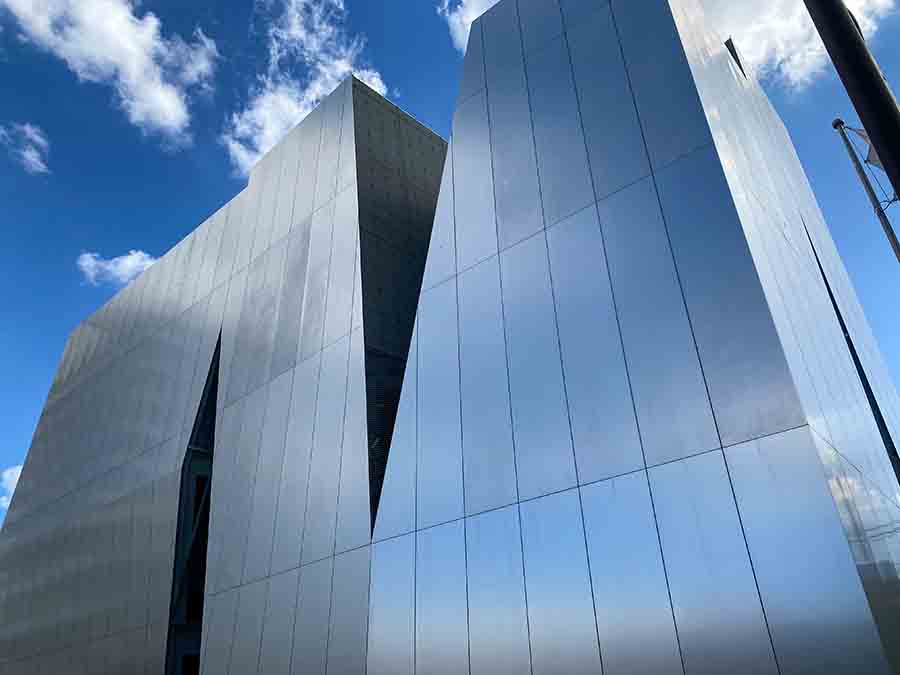
Kazuyo Sejima’s design details
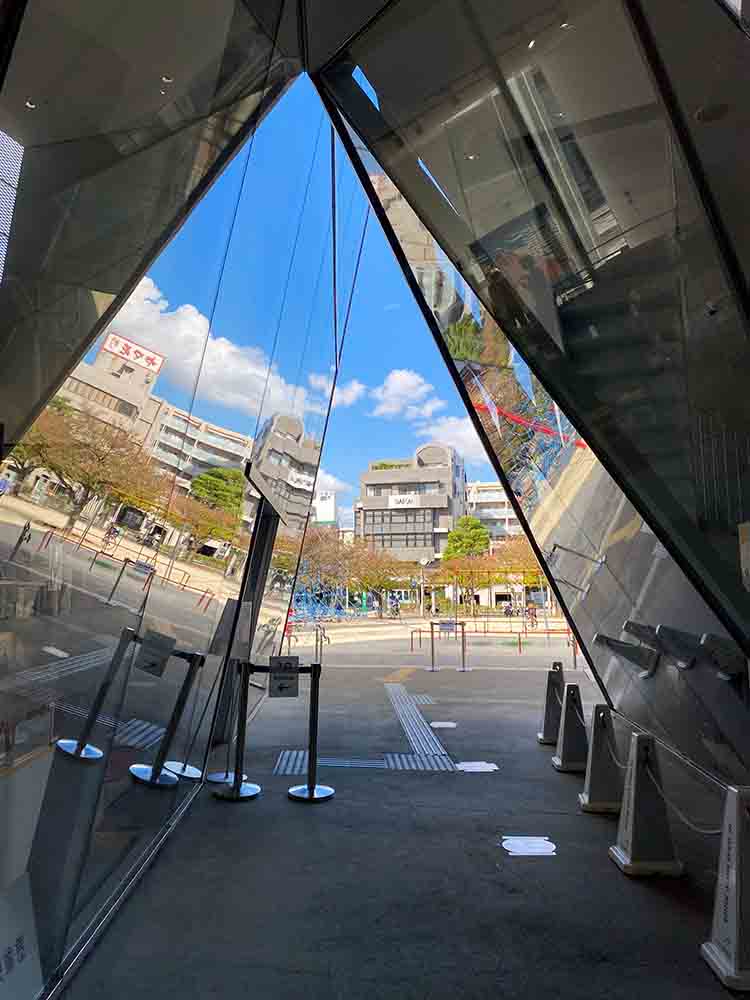
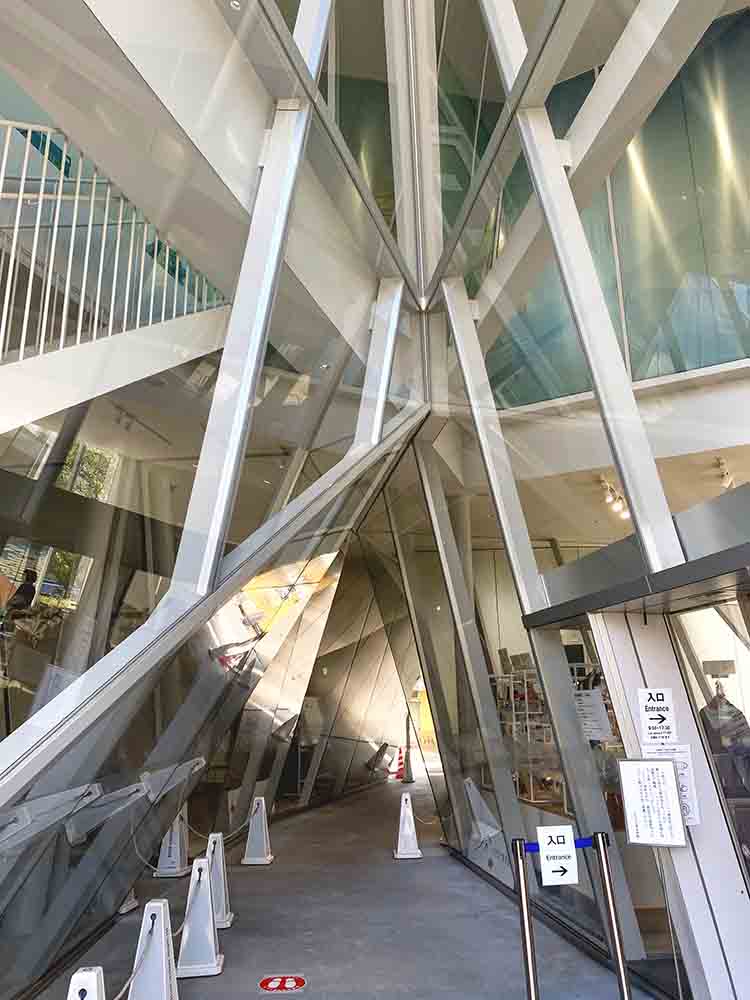
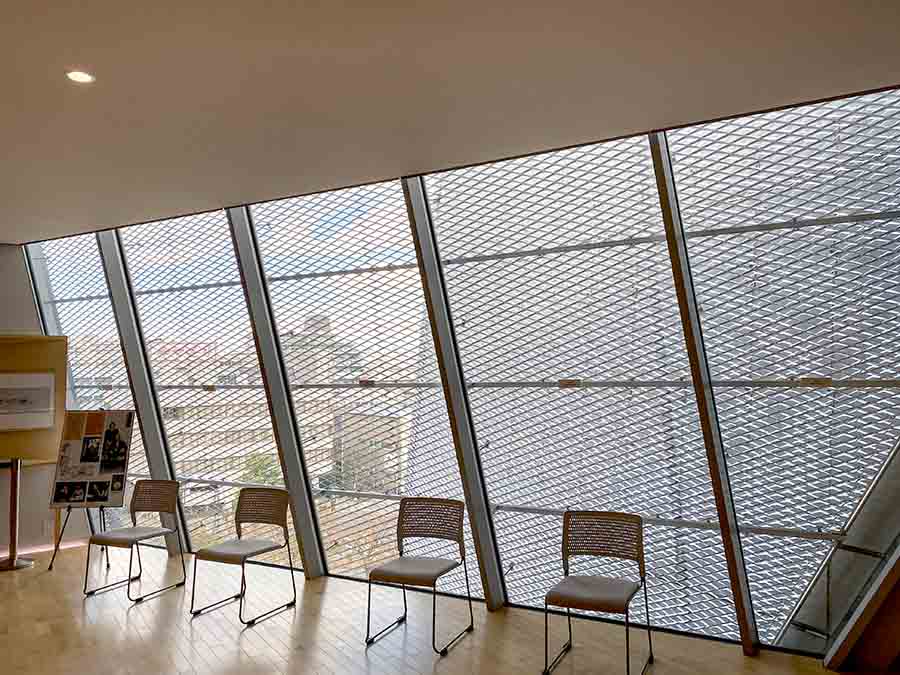
In order to minimize damage to Hokusai’s artwork, the museum wanted to minimize the amount of sunlight that would come through. Sejima is known for her technique to connect buildings with the surrounding environment. Rather than making museum windowless, she leveraged slanted walls so that the light could still come in indirectly. Whenever leaning walls met each other to form an A-frame (which became a passage), she installed glasses so that people could see inside from the passage, and the visitors could see outside.
Leave a Comment