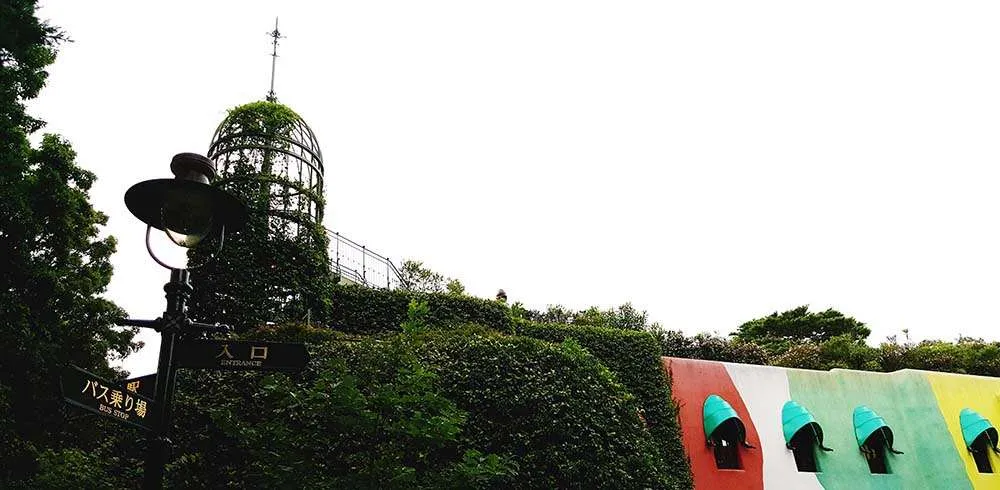
The Ghibli Museum in Mitaka, Tokyo, opened in 2001, has been attracting visitors from around the world as one of the most popular museums in Tokyo. However, it’s not like other museum in many ways.
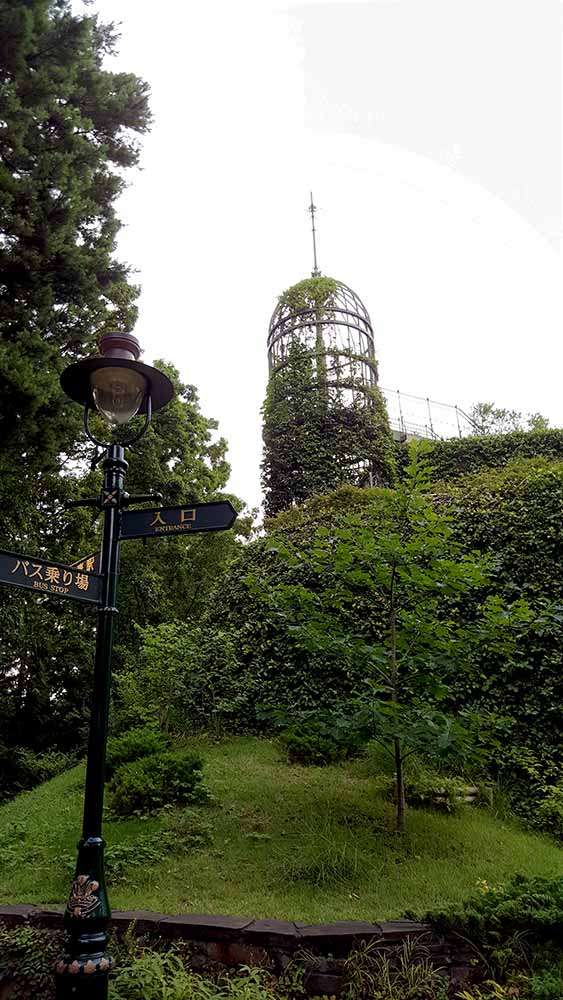
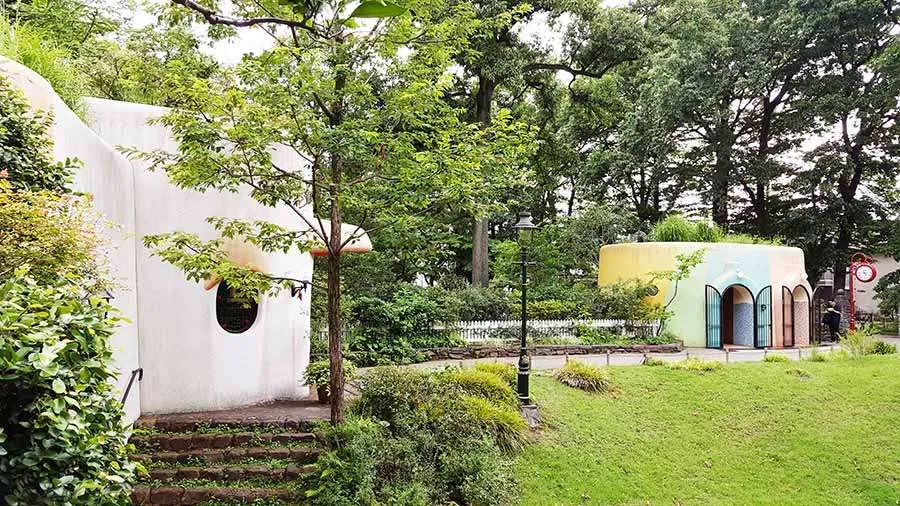
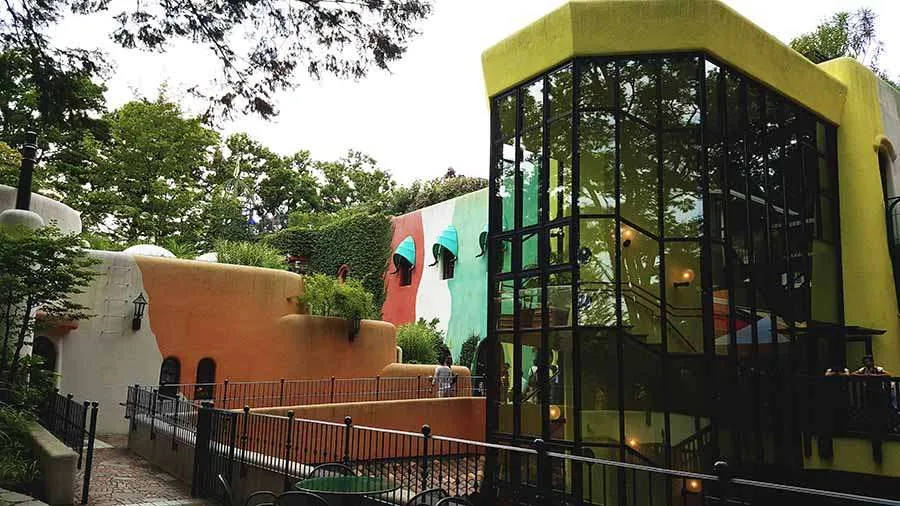
Originally conceived by Hayao Miyazaki, the Ghibli Museum is a relatively small, three-story building nested in a quiet neighborhood in Mitaka, a western suburb of Tokyo. It is close to Ghibli’s headquarters, and still preserves the old-day natural environment. Goro Miyazaki, Hayao’s son, was responsible for the facility design, as he was a landscape architect before he joined Ghibli. The building, mostly finished with wood, has an atrium at the center and offers an incredibly intimate atmosphere. It is also full of peculiar details such as super-narrow staircases and hidden doors, which are invigorated by beautiful art work such as stained glass and mosaic tiles in which you can find images of Kiki, Nausicaa and Totoro among other Ghibli movie characters.
The permanent exhibition gallery has five rooms that showcase how the movie production process works at Studio Ghibli. You can see many original drawings that determined the characters, their personalities, movements, feelings and interactions with others. It is eye-opening to learn that it takes years of laborious work by many animators to create a film that only lasts for two hours. Their uniquely analogue yet beautiful films are the result of countless hours of painstaking hand-drawing and re-drawing, that fill every second of every Ghibli movie. (Each second of film typically contains 24 separate frames.) Studio Ghibli used to be an exceptional company in Japan, directly employing animators, rather than hiring them as contractors, in order to provide them with a decent working environment – until they dissolved the production division in 2014.
The temporary (special) exhibition at the time of my visit was “Delicious! Animating Memorable Meals,” which featured how Ghibli films approached food – from bacon & eggs in “Howl’s Moving Castle,” to the weird party food in “Spirited Away” and the ramen bowls in “Ponyo”, that fascinated audience with unparalleled fantastic-reality.
There is also a small movie theater in which you can watch original Ghibli short films that you cannot see anywhere else. I was lucky to see “Boro the Caterpillar,” directed by Hayao Miyazaki – his first production since ”The Wind Rises” released in 2013 – with “sound-effects” by highly-respected Japanese comedian Tamori, who not only voiced all the bugs that appeared in the movie, but also all kinds of other sounds such as wind, buzzing bees, a moving bicycle and squeaking doors. There is no conventional music soundtrack used in “Boro,” except that Tamori, who’s also an avid Jazz fan and an accomplished trumpeter, added rap-like rhythms and sounds to emphasize unique moments.
“Boro” became Miyazaki’s first production using CGI (computer generated images), but it was a long way coming for a self-claimed “絵草紙屋 (ezoshi-ya)” – the name for an old-fashioned picture book creator back in the Edo era (1603-1868). He had to re-do the entire production 6 months before the scheduled release date (which was eventually delayed), because he was not happy with the first outcome. “I did not want John Lasseter of Pixar (Miyazaki’s long time friend and collaborator) to watch this and say: ‘Hey, he is still not sure how to leverage CGI,’” he is quoted as saying. Miyazaki needed to embrace new technology 100% his way. Actually, if you are like me and not familiar with the animation production, you won’t be able to tell if it uses CGI or not. It is just a beautiful film, full of a “sense of wonder” from the perspective of a caterpillar.
And last but not least, the kids can ride on the Cat Bus (neko basu from “My Neighbor Totoro”).
However, the beauty/uniqueness of this museum is not what you can physically experience or see. Indeed, the museum prohibits visitors from taking pictures or recording videos inside the museum. In this Instagram era, the Ghibli Museum asks visitors NOT to take selfies inside the museum. This is not to protect their copyright. The museum website says: “This museum is a gateway to many of the stories you have seen in Ghibli films. It is an opportunity for you to become movie characters and experience their lives. We don’t want you to get distracted by your camera/smart phone. We strongly believe that you need to see things with YOUR OWN eyes, and feel them with YOUR OWN BODY (capital added by author). If you had great time here, please save the memory in your heart, not in your phone.” (Translation by author.)

Leave a Comment