What is Japanese dried fish?
Fish and seafood have been the major source of protein for Japanese for long time as the country is surrounded by oceans. In addition to eating them raw or cooked, they have been using drying as a preservation method. Today, traditional preservation methods such as drying or fermentation are a lot less popular, but dried fish is still used for broth as drying condenses flavors and nutrients.
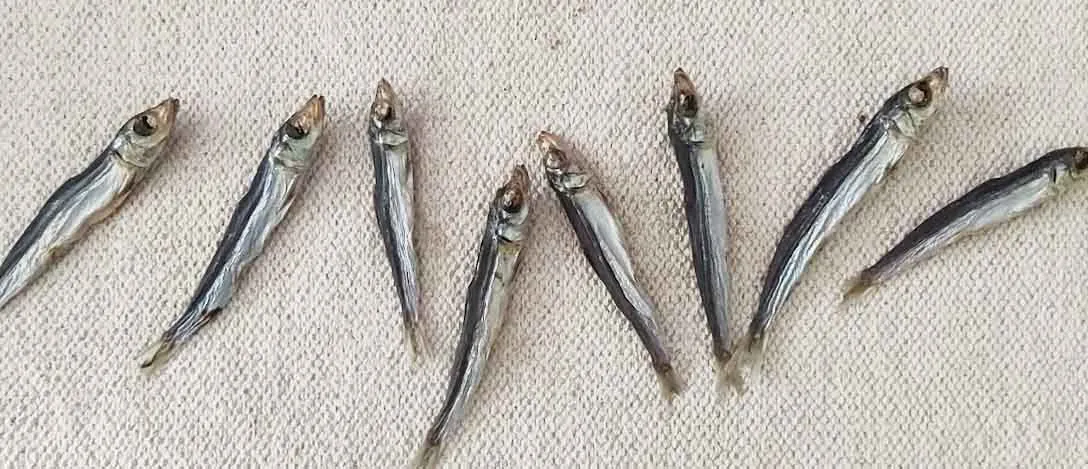
いわし (iwashi, Japanese anchovy) is the most common type of fish that become dried fish, which are called いりこ (iriko) or 煮干し (niboshi). They are commonly used for miso soup and ramen broth.
Good quality dried fish are good to eat as is as snacks – just like beef jerky. It’s especially recommended for expecting moms and kids as they are rich in calcium.
Nutrients contained in dried fish
As is the case with other dried foods, dried fish can include more nutrients than fresh fish because drying process result in additional chemical breakdown.
Here are major nutrients in dried fish:
- Calcium
- Iron
- Zinc
- Docosahexaenoic acid (DHA), an omega-3 fatty acid
- Eicosapentaenoic acid (EPA), another omega-3 fatty acid
- Vitamin D
Sun-dried fish contains more nutrients as microorganisms help the process of slow chemical breakdown to maximize the yield. However, sun drying takes longer and costs higher. Most products are mechanically dried at factories, and it’s difficult to find sun-dried fish especially at affordable prices. If you travel coastal areas on Japan (which is almost everywhere), you may find great local products that do not make it to national markets. They typically use local, fresh ingredients and traditional methods and will be worth trying.
How to choose dried fish products that don’t have nasty fishy smell?
Dried fish are like beef jerky, and okay to eat as is. Bones are definitely okay to eat, and they won’t bother you. But you may be annoyed by the nasty fishy smell. How do you avoid it? Simply put, you have to choose high quality products. The types of fish used for drying is so-called “blue fish” such as anchovy that contain unsaturated fatty acid. It can oxidize if the fresh fish is not processed quick enough or appropriately. If a fish contains more fatty acid, it’s more susceptible for oxidation.
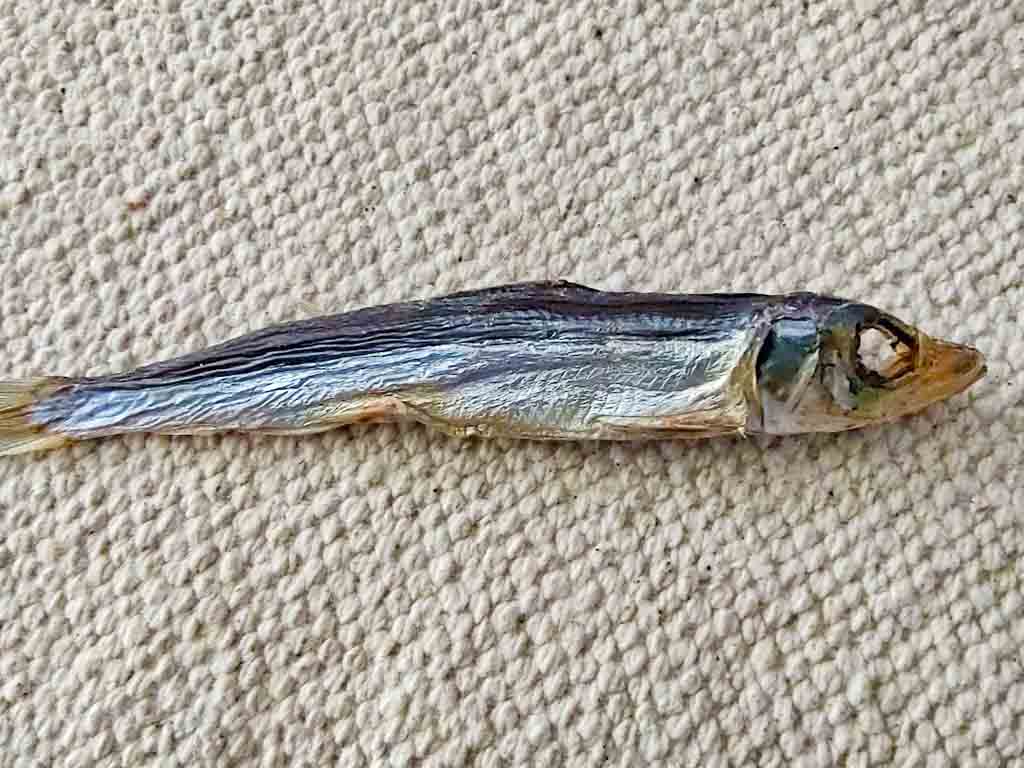
So you may want to avoid dried fish that contain oxidized fat. How do you do that? You can choose small fish species with less fatty acid. It’s also important to choose products made from fresh fish. According to experts, one of the tricks is to choose the fish that have curvy backs, as it’s a sign that it was processed when they were still fresh. On the other hand, if their bellies are curvy, it could mean that they were no longer fresh when they were processed.
However, as the rule of thumb, the quality is reflected in prices. You might want to choose a high quality one for your first product, as you don’t want to be discouraged by fishy smell.
Yummy dried fish snack
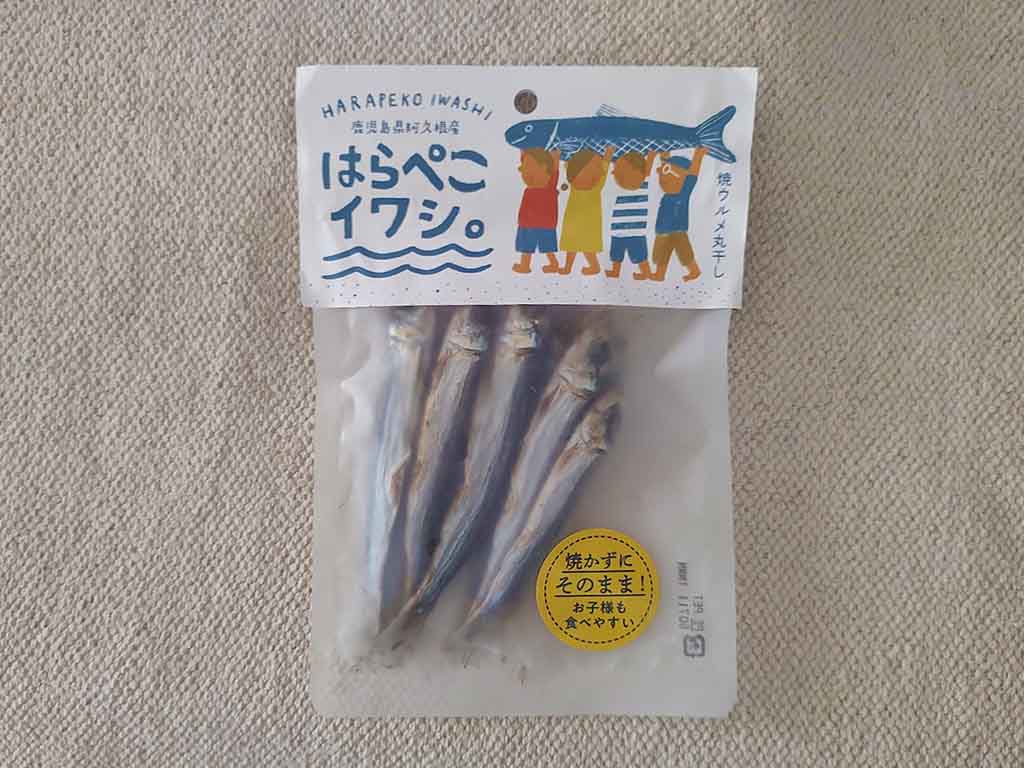
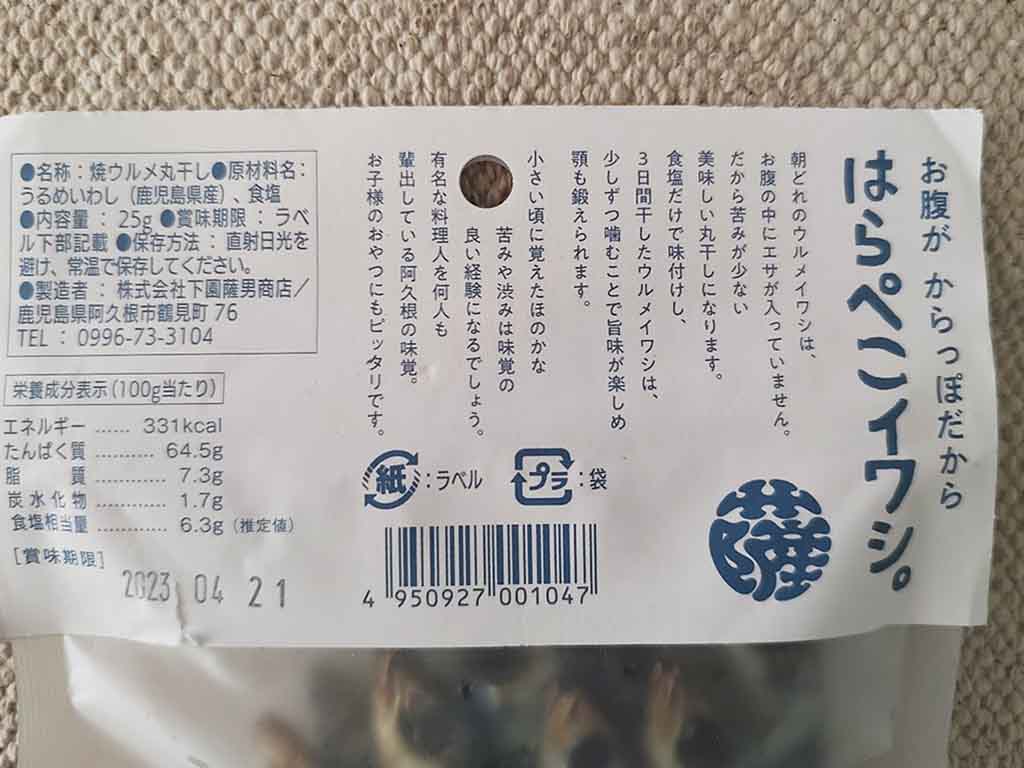
I bought はらぺこいわし (hungry anchovy) product at the Hoshino Resort KAI in Kirishima, Japan. Local hotels are also a good place to find hidden local gems, as many regions are really focusing on leveraging local products to increase regional competitiveness.
The anchovy used in this product is larger than iriko or niboshi – they are about 2 – 3 inches. As it advertises, the anchovy in the package have thin stomach.
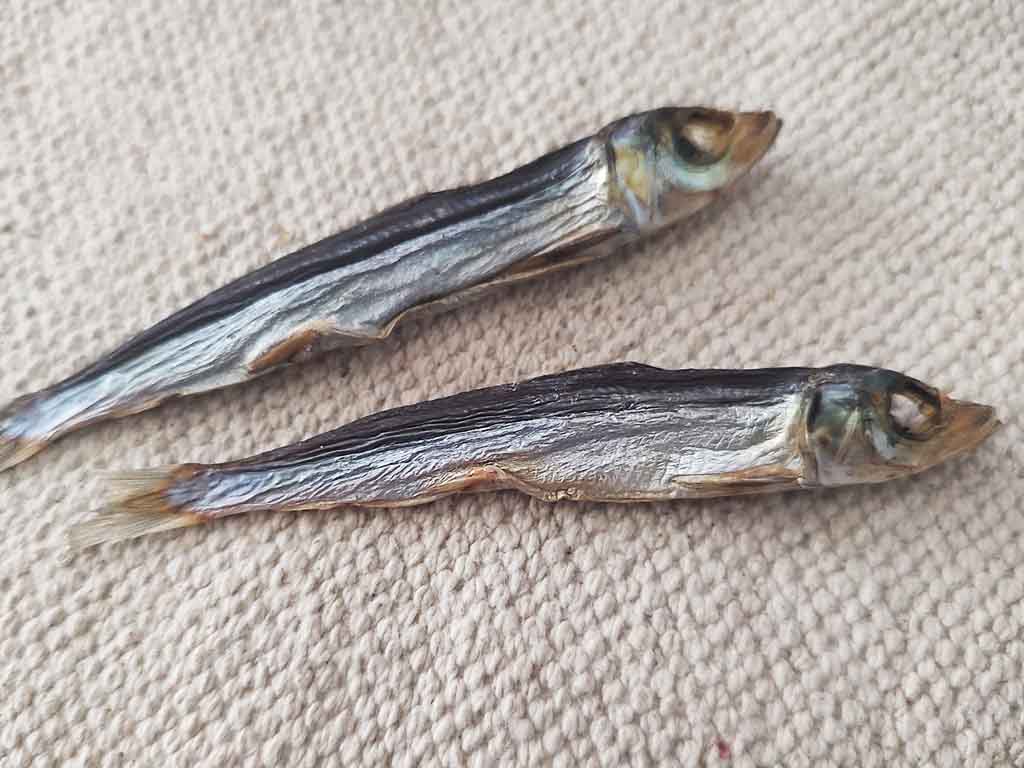
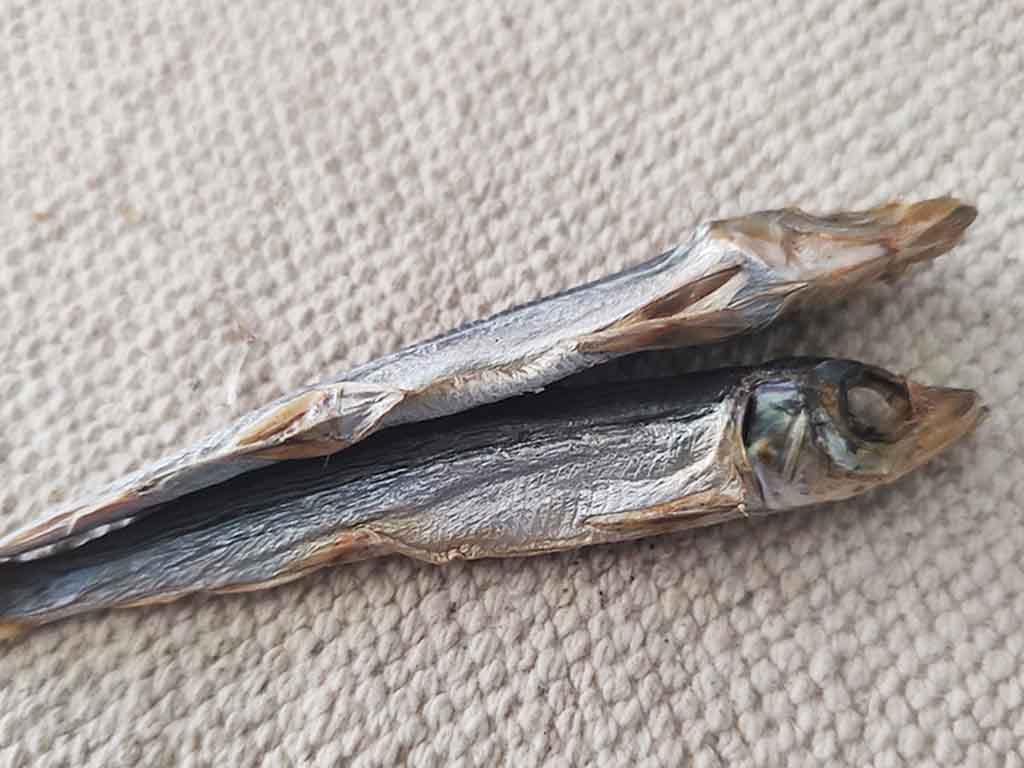
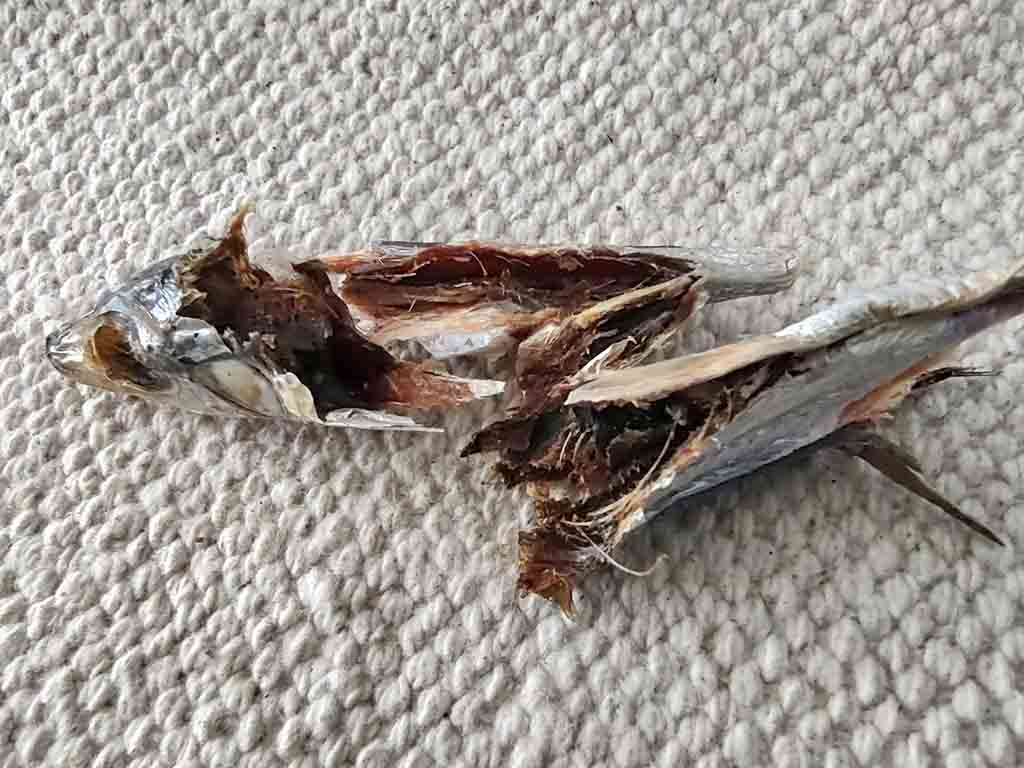
Although it looks hard and fishy, in reality it’s not that hard and the meat is surprisingly tender. It had a lot of umami flavors, no nasty fishy smell because the hungry fish do not have the source of the smell to begin with.





Leave a Comment