What is minka?
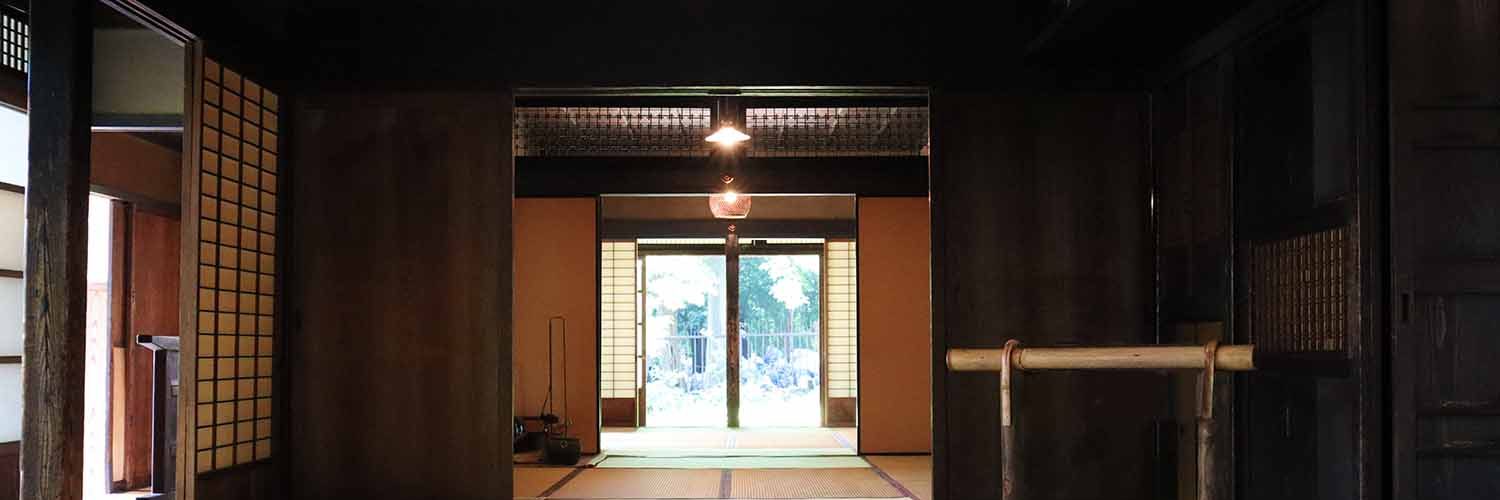
民家 (minka) means “peoples’ house” in Japanese and is a general term used to describe regular houses, especially traditional ones. Before modernization, each Japanese region had its own methods, design details and aesthetic standards to build minka based on its climate, topography, available resources etc. For example, snowy regions had hours with steep roofs, and traditional populous areas such as Kyoto had rows and rows of narrow multiplexes called machiya.
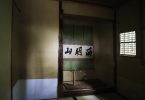
When you hear about traditional Japanese architecture, you may think about “wabi sabi.” Minka is the opposite of wabi sabi, which is a name people outside Japan gave to authentic architectural styles such as shoin zukuri, sukiya zukuri and chashitsu. Authentic styles had been used by the upper class, and minka has been used by ordinary people.
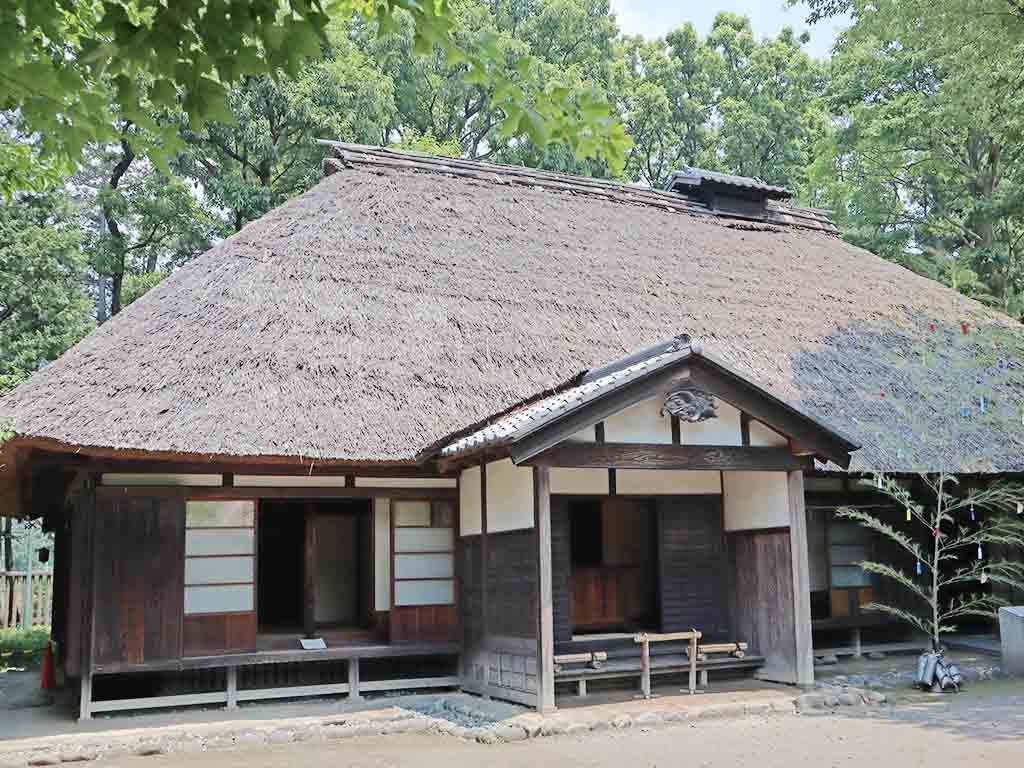

Minka Design Details: Doma
It is common for minka to have doma (dirt floor). Sitting between outside and raised floors, doma was used to keep tools, store and/or process crops, and do other works. Doma was also used as a kitchen to place open hearth/wood cook stove directly on dirt.
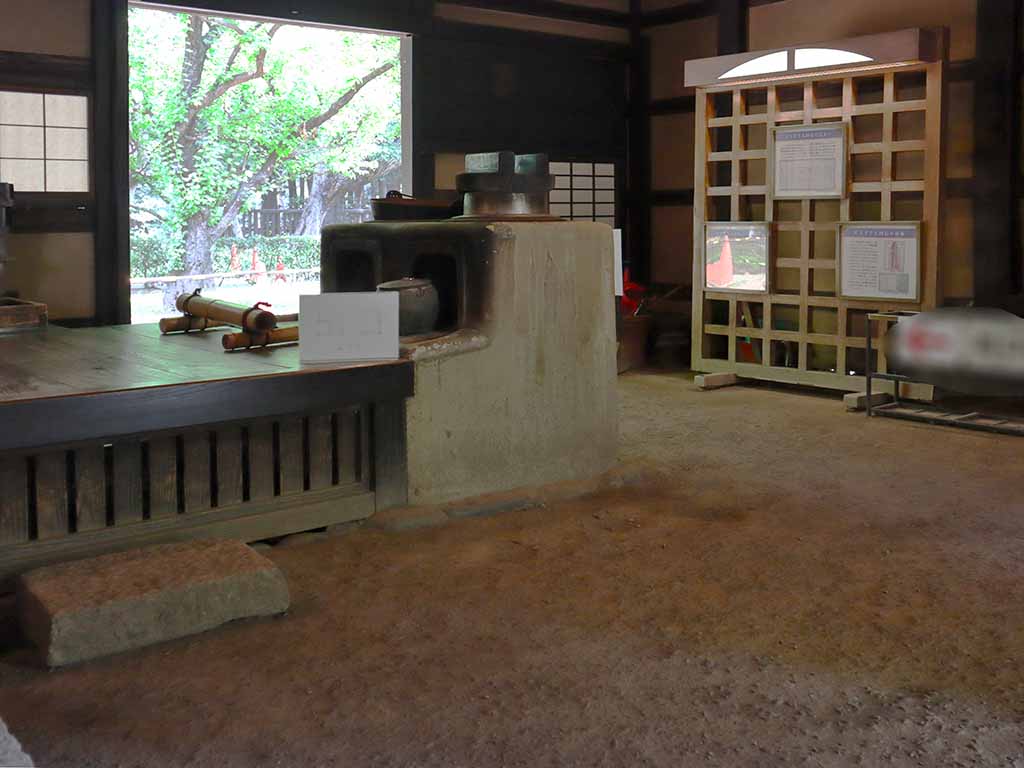
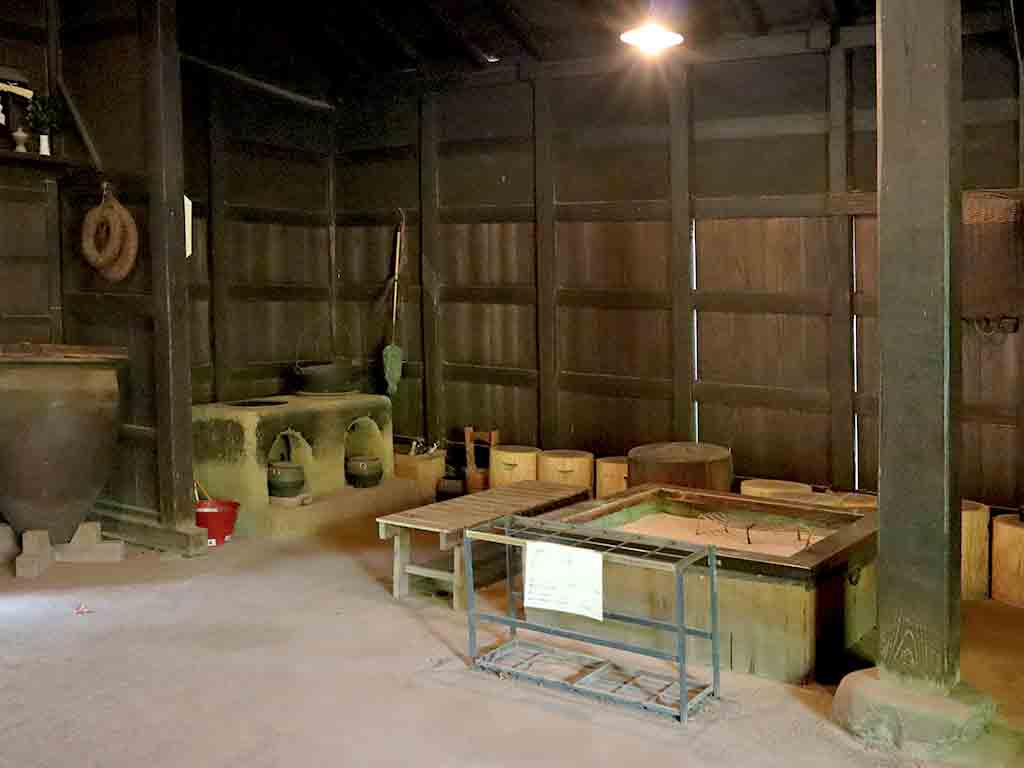
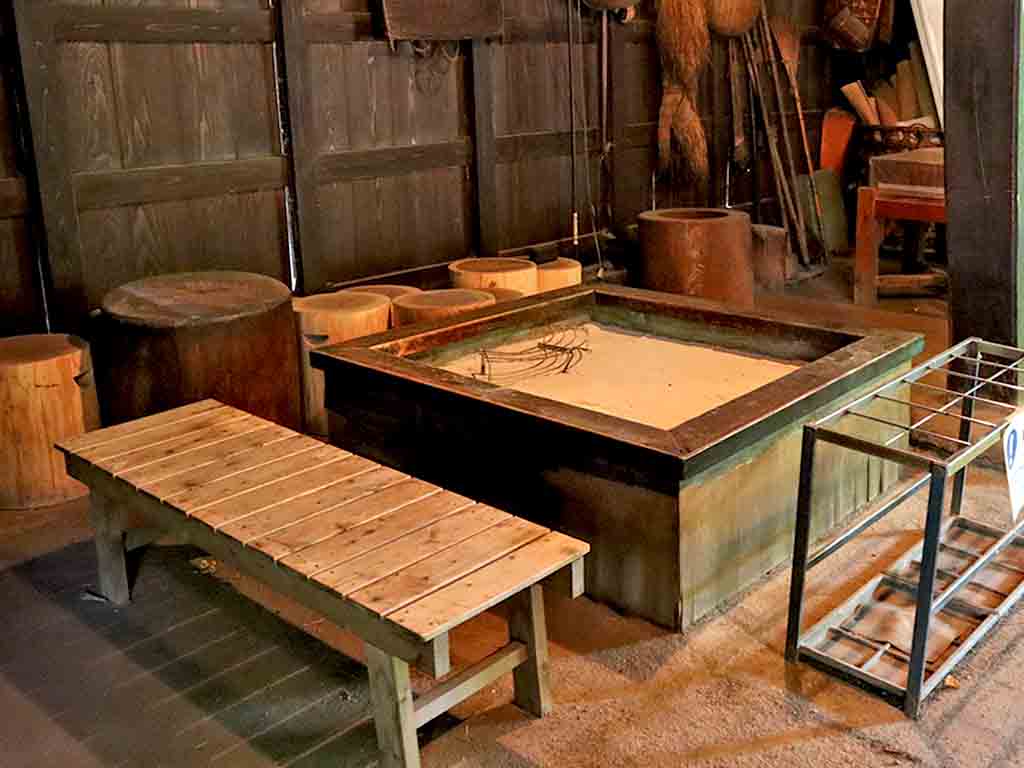
In the doma kitchen, you burn wood, which would let out soot. Over time, the soot would cover columns, beams, ceilings and floors, making minka “black.” This is probably the biggest difference that sets minka apart from traditional “wabi sabi” architecture, which was “white” – or devoid of soot, as kitchen was in separated area and meals were prepared by servants.
Leave a Comment