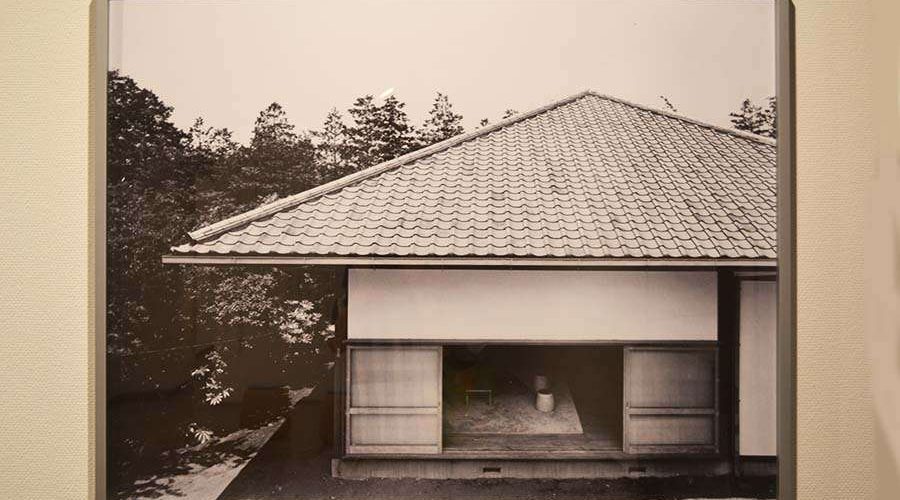
Kazuo Shinohara (1925-2006), one of the most influential modernist architects in Japan, declared that “a House is a work of art” in 1962. Using his statement as the title, the Chapter 5 of the exhibit “The Japanese House” exclusively discussed Shinohara’s works.
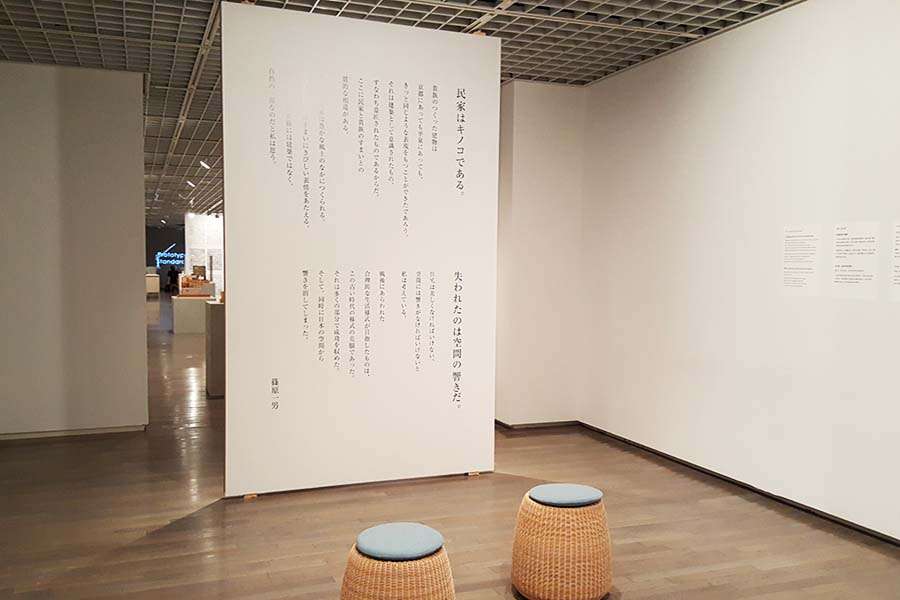
Quotes by Kazuo Shinohara
“People’s houses are like fungi.”
(When you think of traditional Japanese buildings, you may picture aristocrats’ mansions in Kyoto.) You may replicate these mansions because they are based on defined architectural aesthetics and styles. But ordinary peoples’ houses are completely different, as they are shaped by the surrounding environment, not aesthetic priorities. People who live in harsh nature have houses with tough expressions. In that sense, peoples’ houses are simply part of nature, rather than pieces of architecture.” (Translation by the author.)
“What we’ve lost is the resonation played by, and in the space.”
I believe that a house has to be beautiful, and the space has to be filled with sound and harmony. But post-WWII modern lifestyle prioritized efficiency over old-fashioned values. Unfortunately it prevailed for the most part. It just deprived of rich resonation from Japanese houses. (Translation by the author.)
(NOTE: “Reonation,”sound” or “harmony” is a translation of the word “響き” (hibiki), which could also include natural sounds, vibrations, vibes, interactions, resonation or reverberations.)
Shinohara’s View on Traditional Japanese Architecture and Minka
Throughout his career, Shinohara attempted to see his work through the lens of Japanese architectural heritage, especially “民家” (minka) – ordinary people’s house. It was a unique approach, because most architects found their traditional roots in highly recognized traditional buildings with refined architectural styles, which were built by/for people in power such as aristocrats.
Shinohara observed that minka was a functional shelter against the harsh environment in which people did various activities, including cooking and processing crops. Minka’s interior was “black” due to the soot from burning of charcoals to support those activities. It was a stark contrast with Medieval aristocrats’ mansions, which are typically considered the origin of traditional Japanese architecture. They were designed based on 寝殿造 (shinden-dukuri) style, which consisted with several residential wings that surrounded a pond. While servants did all kinds of works such as cooking and cleaning, Medieval aristocrats spent time around the pond partying. Their buildings were kept “white” because cooking and charcoal burning took place in separate areas. They were also open toward the pond/garden to maximize enjoyment, as they didn’t have to prioritize shielding people from natural threats and providing functionalities needed for them to survive. Social elites’ houses could remain open, white and intact, only because they could impose all tedious chores and tasks to their servants.
The House in White (1966)
According to Yoshiharu Tsukamoto (Atlier Bow-Wow), Chief Advisor of the exhibit, Shinohara attempted to combine “shielded from the outside environment” and “white” when he designed the “House in White” in 1966. Tsukamoto believes that Shinohara was the first Japanese architect who tried to combine the two elements that belonged to minka and high-end traditional Japanese architecture.
White is such a pure form of color. Can you enclose such pureness in a house filled with daily activities such as cooking? It was made possible thanks to the modern technology that made cooking soot-free.
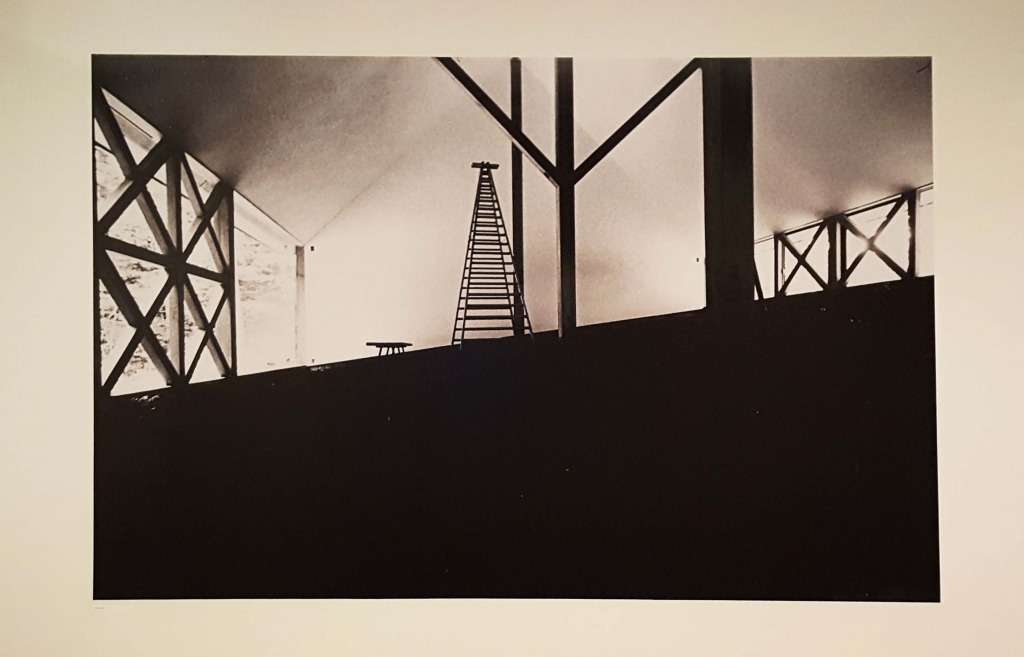
Shinohara applyed transitional Japanese design principles to the House of White: the structure was supported by columns, beams and a roof truss for a square, pyramid-shaped roof. The square space was divided into two areas using an asymmetrical 2:1 ratio. The smaller half was further divided into two stories. This minimal, two acts of division augmented geometric abstractness. In addition, Shinohara emphasized the pureness of white color by removing some of the typical traditional architectural details such as cornices or engawa: the interior was sort of confined so that the whiteness could be kept intact.
As it looks decisively clean and pure from outside, the interior also highlights the beauty and abundance of white. The living room used “shoji” (a Japanese screen door that is constructed from a wooden frame and a paper screen) to divide it from outside, as you see it on the right hand side of the picture. A Shoji is a very fragile, opaque partition that lets the weakened sunlight come through it. That delicate light increases its mythical, symbolic effect, as if you are inside a religious building, thanks to the white walls that occupies the area above the shoji. (Shoji usually are the height of a door, but Shinohara used it only for the bottom half.)
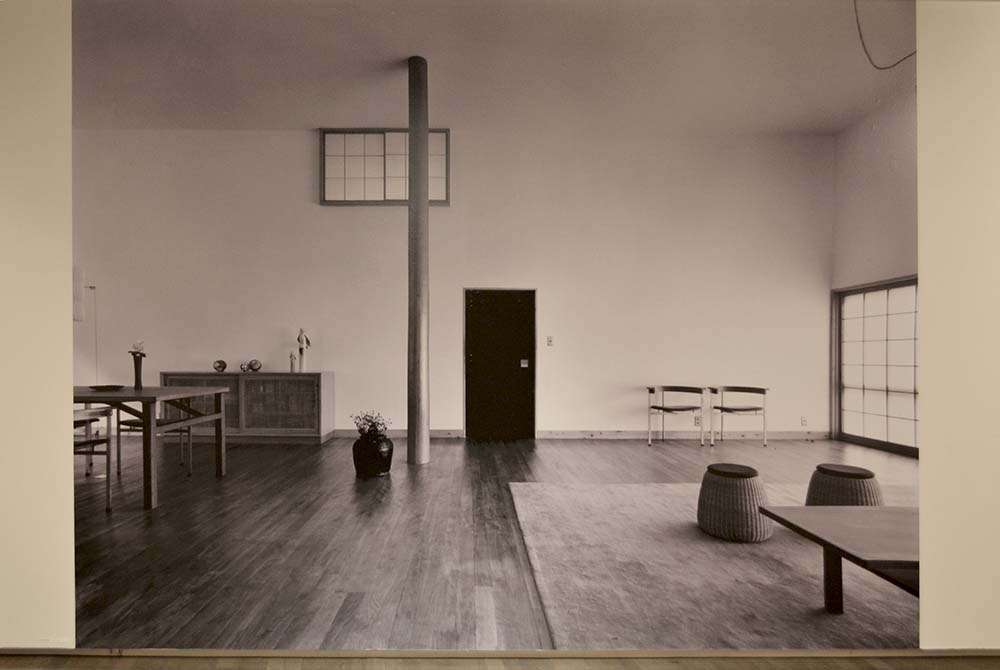
Also stunning is a large pillar that stands, dignified and dominant, in the middle of the living room. It looks like a mainmast of a ship in an otherwise white and abstract interior. Shinohara chose not to make it a part of the load-bearing structure. It’s a symbolic manifestation.
In a sense, Shinohara disassembled traditional architectural elements and re-assembled them to match on his personal agenda. This was a house that posed a question: “what does life and living mean to you?” For Shinohara, architecture was also a philosophical endeavor.
The Tanikawa House (1974)
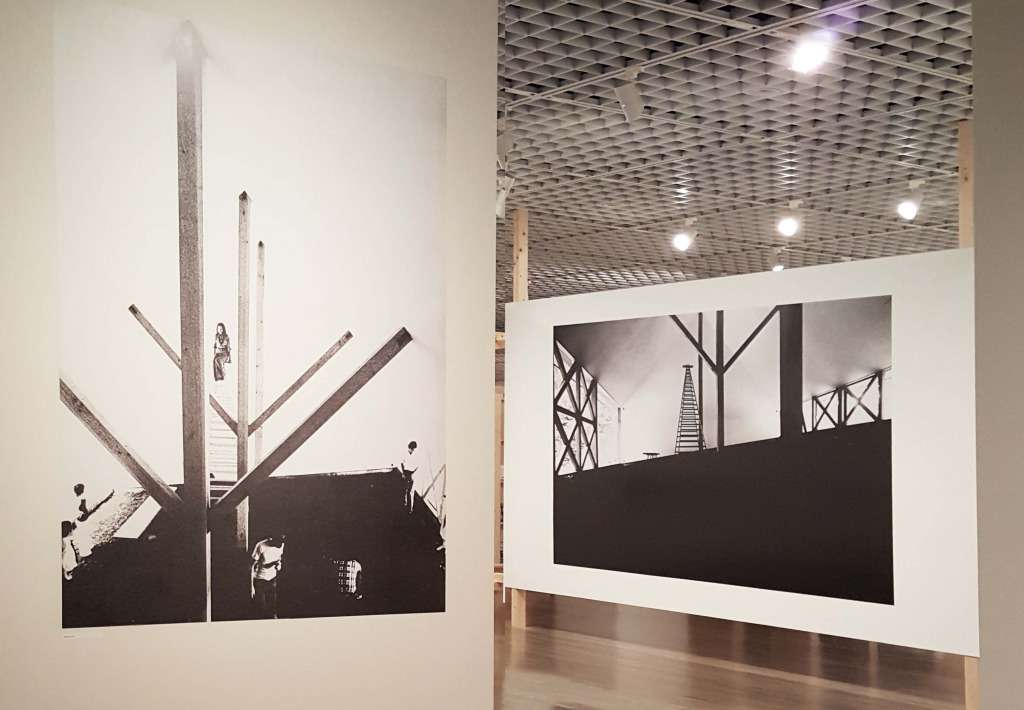
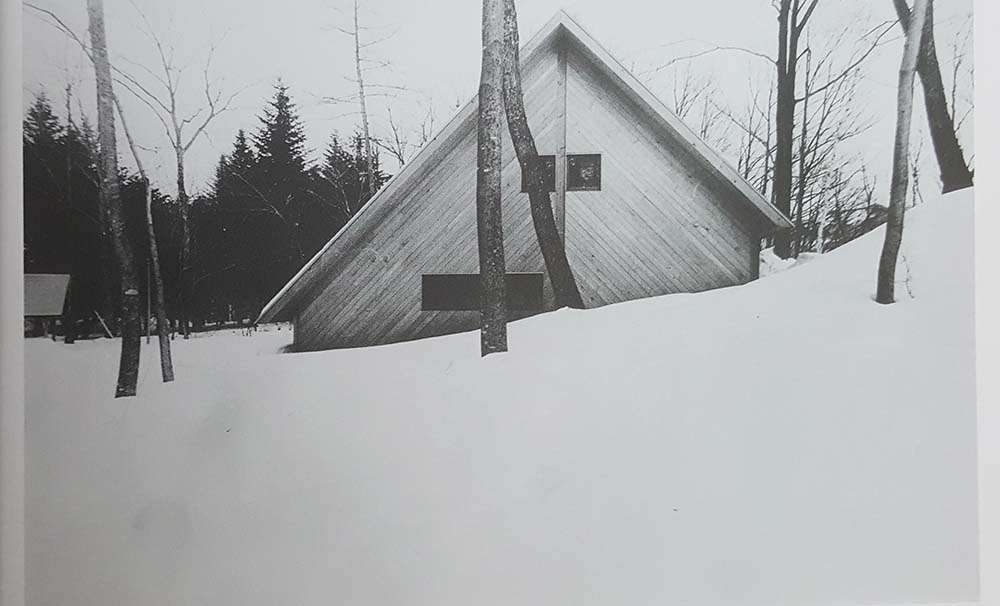
Shinohara’s uncompromising quest to design a house “as a work of art” continued to evolve. In 1976, he designed the “Tanikawa House,” a summer house commissioned for Shuntaro Tanikawa (1931-2024), renowned Japanese poet. It was located in Karuizawa in the Nagano prefecture, which is a popular summer retreat surrounded by beautiful woods.
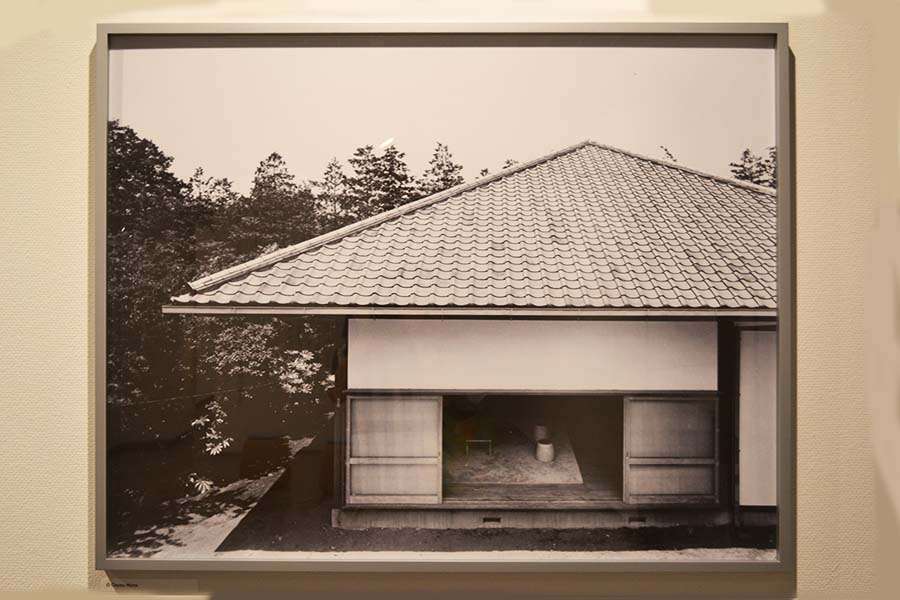
Although it is called a house, it’s very unconventional. First of all, it was built on a slope of a hill without flattening the foundation. Not only was the floor slanted, it was partly finished (or unfinished) with bare dirt (!) It could be called a unique interpretation of the “doma” (dirt room), an area commonly found in traditional Japanese house. Doma was used for semi-outdoor activities such as cooking, maintaining tools and processing crops. But Shinohara’s dirt area did not look to be tied to a specific functionality. It almost seemed as if Shinohara was attempting to bring untamed nature inside the house.
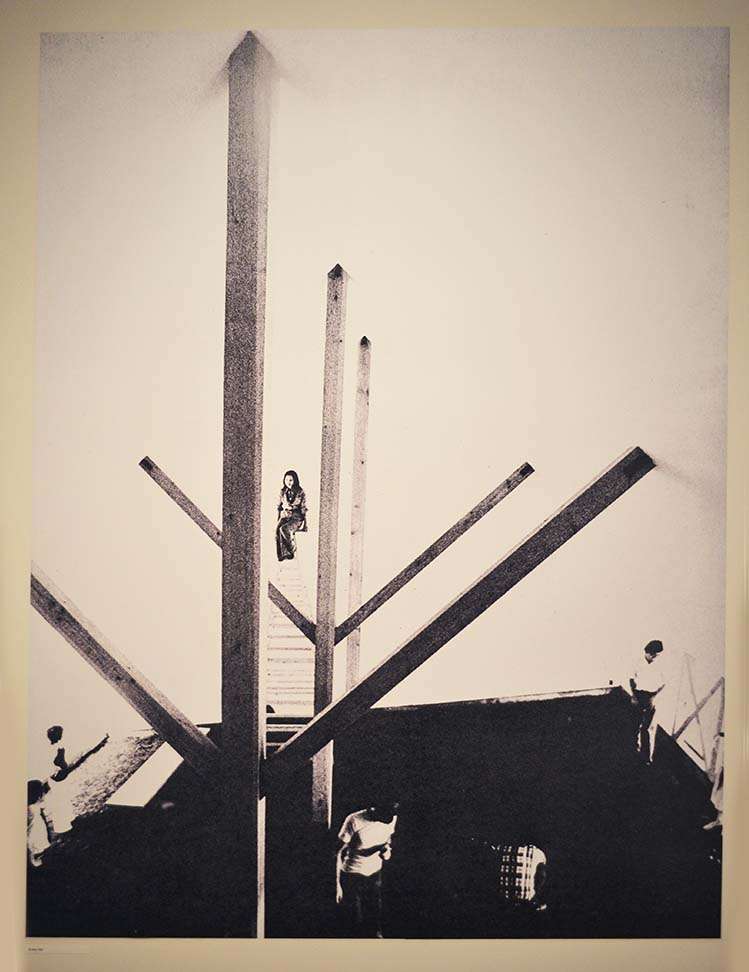
Contrasting with the crudeness of the dirt was a sharp, geometric aesthetics. The roof rose sharply at a 45 degree angle, and some columns also rose at a 45 degrees angle in the middle of a room. 45 degrees is the middle point of the horizontal and vertical expansion. It is so forceful.
At the Tanikawa House, naturally slanted dirt (chaos?) collides with strong geometric beauty (aesthetic order?). They don’t seem to belong to the same world and the dissonance is almost brutal.
When asked if it was comfortable to live in this house, Tanikawa, a household name whose poems appear in the textbooks for elementary school kids (he is also known for his marvelous translation of “Peanuts” by Charles Shultz), answered: “I do not seek comfort in a house because it has to be the representation of your spirit. Comfort is my enemy.”
For Shinohara and Tanikawa, a house and living itself were literally works of art.
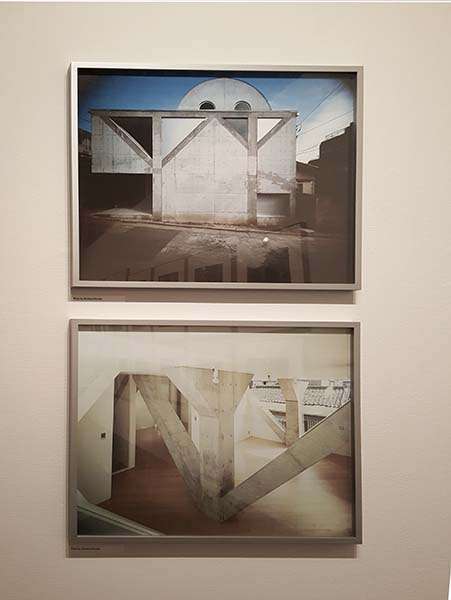
The House in Uehara (1976)
The House in Uehara was built two years after the Tanikawa House, and his signature 45 degree columns are also present in this project. In order to leave enough space for parking on the ground floor (the left hand side of the picture), the second floor had to be cantilevered. As a result, the bare concrete columns intruded into the rooms. The third floor, which resembles a human face, is a vault that was added at the last minute as kids’ room. Since the vault was totally different and did not belong to the rest of the building, Shinohara called this house “utter chaos.”
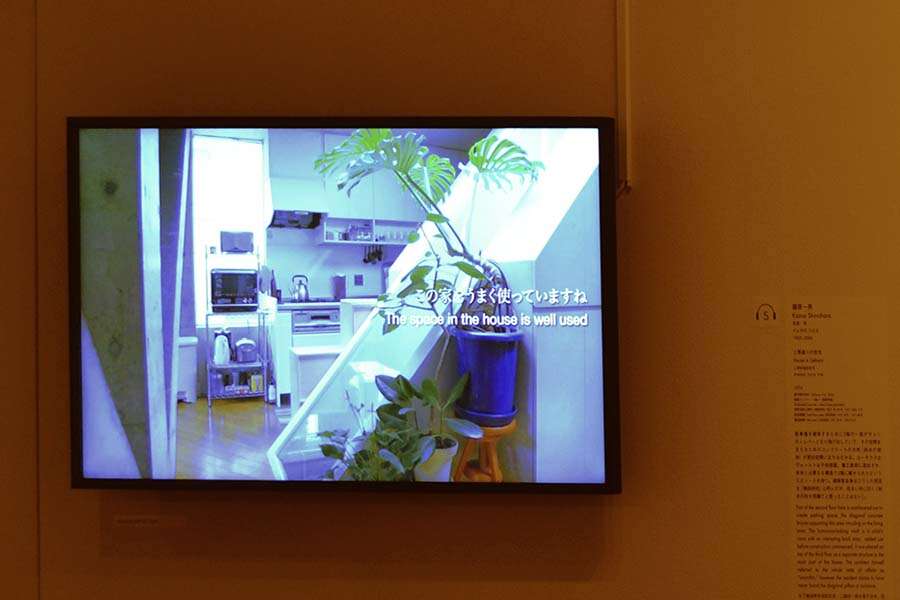
At the exhibit site, they streamed an interview with the owner of the House in Uehara. The owner (the son of the original owner, I think but I could be wrong.) said: “Everyone asks if any of us ever bumped our head against the concrete columns and we say, we never had problems with them. They don’t disturb our activities.”
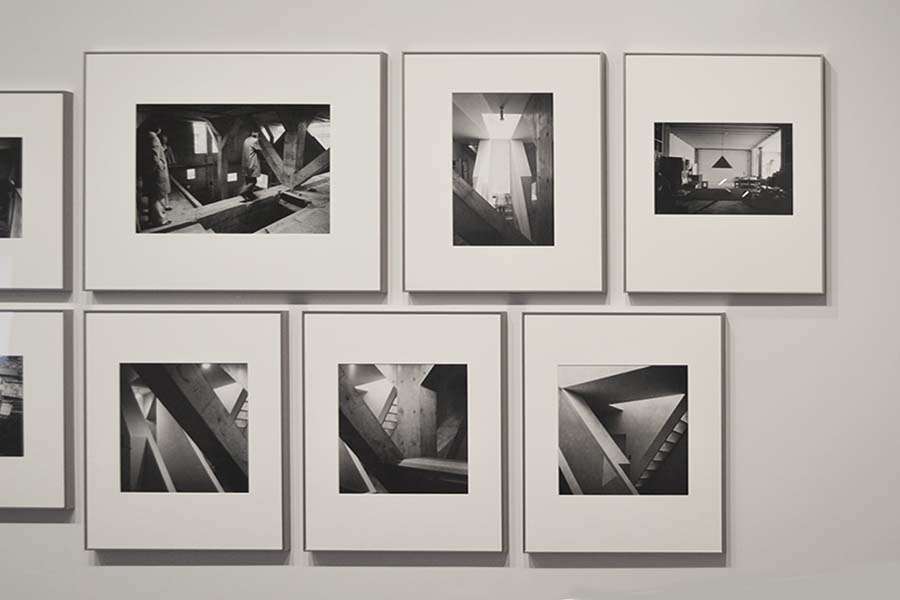
Shinohara’s declaration in 1962 that “a house is a work of art” stirred controversy. Architects need clients, most of whom consider a house as an envelope that makes their lives nicer, easier and more comfortable. It means that they are not supposed to design whatever they want, simply driven by their creative impulse. Of course Shinohara knew it. However, he tried to resist as much as he could. By the time he became an architect, Japan was in the middle of a rapid economic growth and housing projects had be cost-effective and efficient. Newly built homes were mass-produced and looking similar. Shinohara must have thought that only private projects designed by independent architects had potential to pursue something new and inspiring.
A house is a product of a nature-human relationship as shown in traditional minka. People kept improving it to adopt to local climate and environment. Minka is full of wisdom. Shinohara intentionally used the word “art” in order to remind people today that a house should not be a victim of economic efficiency. He believed that a house could have higher aspirations, capable of providing critical perspectives to society through the act and art of living.
Inspired and encouraged, many talented young architects followed his path and designed their version of the “work of art” architecture. They are often called the “Shinohara School,” and it includes Kazunari Sakamoto, Itsuko Hasegawa and Toyo Ito.
Leave a Comment