About the Meiji Jingu Museum
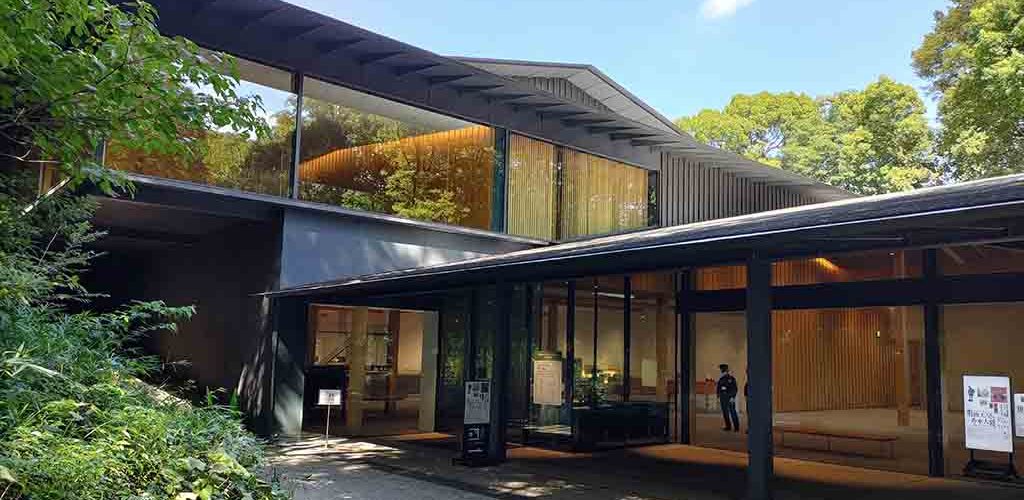
Architect Kengo Kuma designed the Meiji Jingu Museum in 2019, which is part of the Meiji Jingu Shrine complex built to celebrate the life of Meiji Emperor after his death in 1912. The 324 acres area consists of the Naien (the inner circle – Shrine area) and the Gaien (the peripheral that surrounds the Naien area) and is a rare green-rich district in central Tokyo surrounded by high-rise buildings. The museum was built to preserve and exhibit items related to Emperor Meiji and his wife.
Kuma’s design philosophy: Building that dissolves into the environment
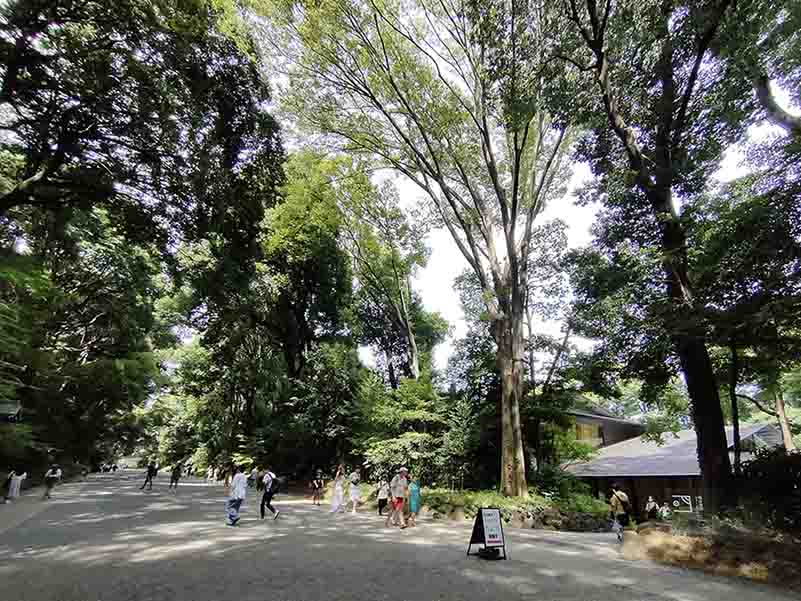
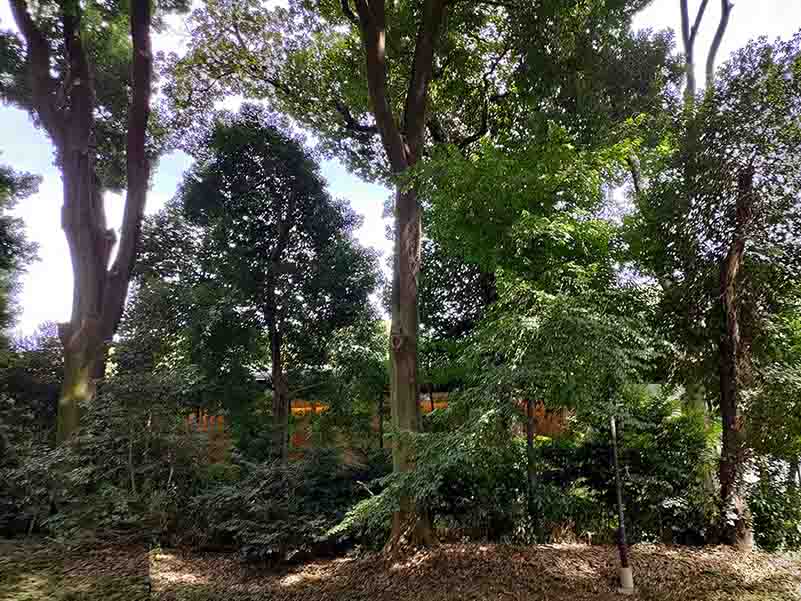
The museum is in the thick of beautiful wood today, but it is thanks to the people who developed the area in early 20th. As the area was actually barren back then, many people volunteered to plant a lot of trees around the Shrine so that they would grow to become a thick, sacred wood in 100 years. And sure enough, more than a century later, today we are seeing the fruit of the project. People still consider the wood an important heritage. Because of the history, Kuma decided that the “protagonist” of the area had to be the woods. He designed the museum as a relatively low two-story building with flat roofs. As you can see, it is much lower than surrounding trees.
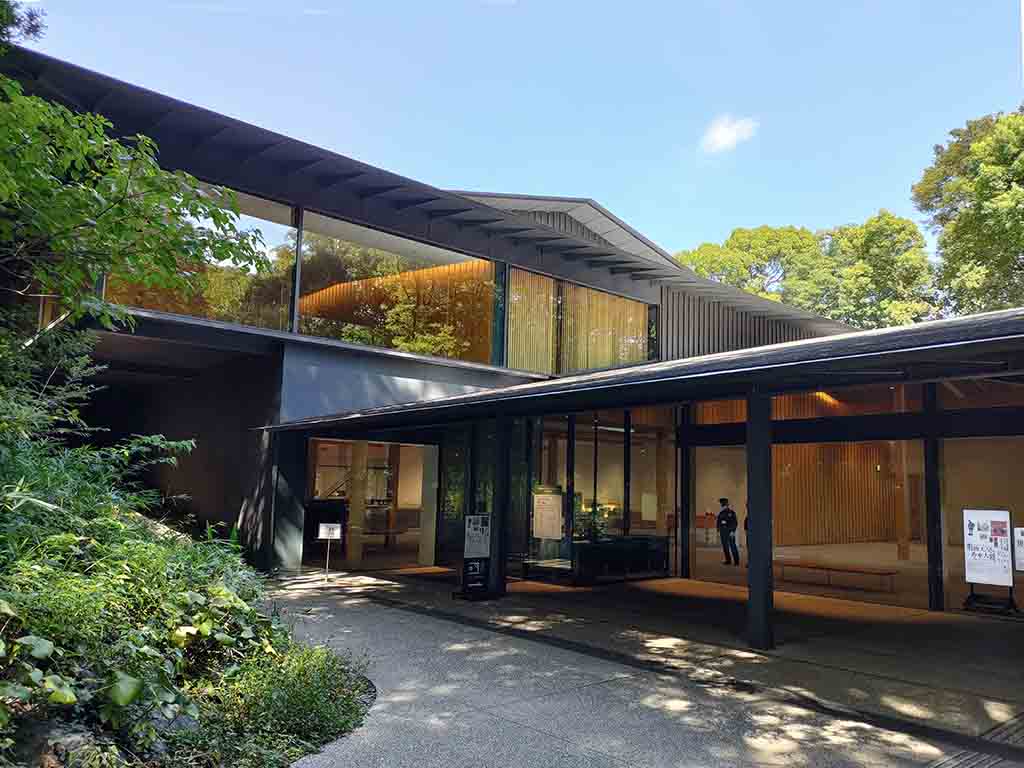
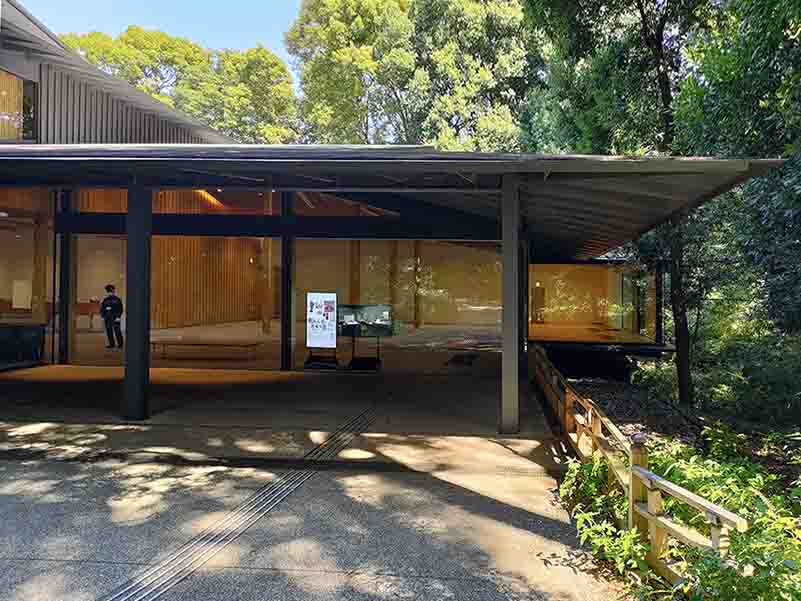
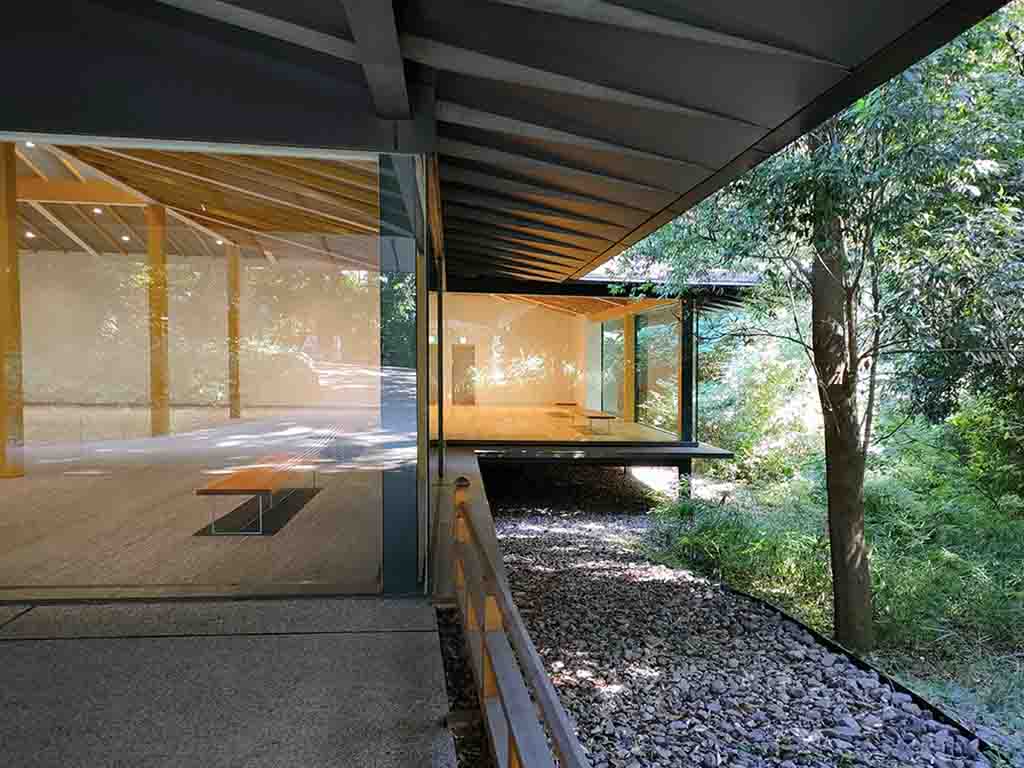
In order to let the building dissolve in the environment, Kuma leveraged transparency. By the way, the word “transparent” in Japanese has more meanings than just about physical transparency. It signifies things that are maintaining purity and innocence. Especially in Shinto (Japanese indigenous religion), purity has been the central notion. For that reason, Japanese would surround shrines with thick woods to keep them pure and sacred. Kuma must have leveraged transparency to respect the philosophy of woods surrounding the Meiji Shrine.
Leave a Comment