Kenzo Tange and the Kagawa Prefectural Government Office
Japanese architect Kenzo Tange (1913-2005), the winner of the 1987 Pritzker Architecture Prize, is one of the most influential architects in modern era. He designed the Government office for Kagawa Prefecture in 1958, which became one of the most iconic post-WWII public buildings in Japan. After more than 65 years since the construction, it’s still in great shape. It became part of Japan’s National Heritage in 2022.
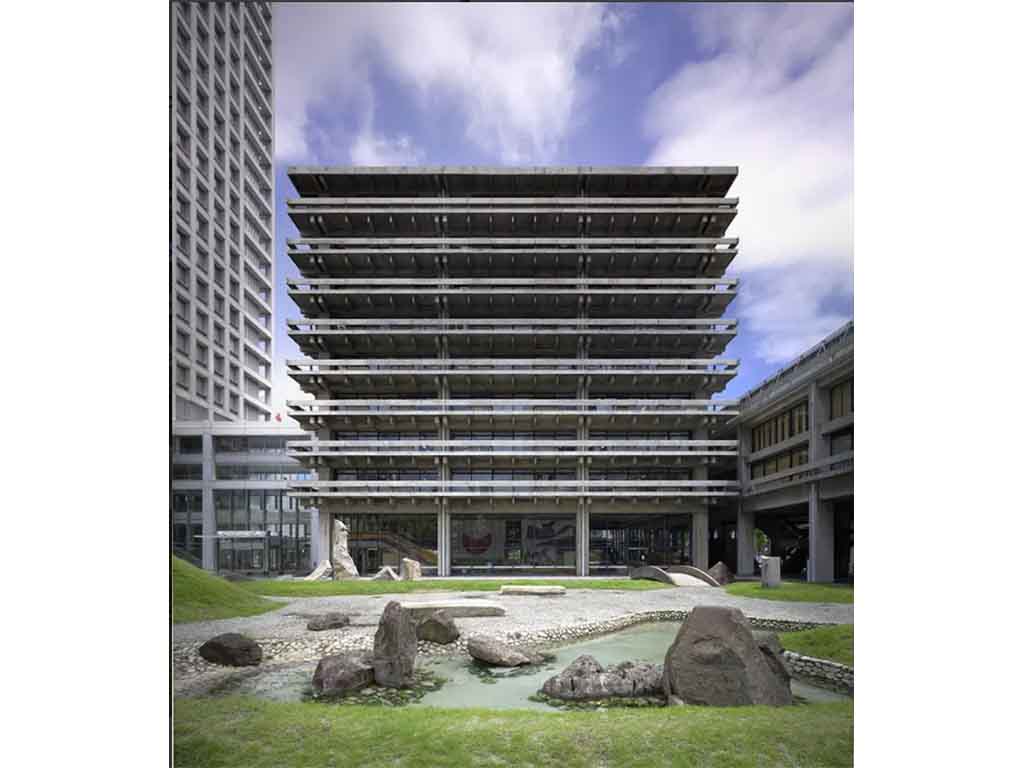
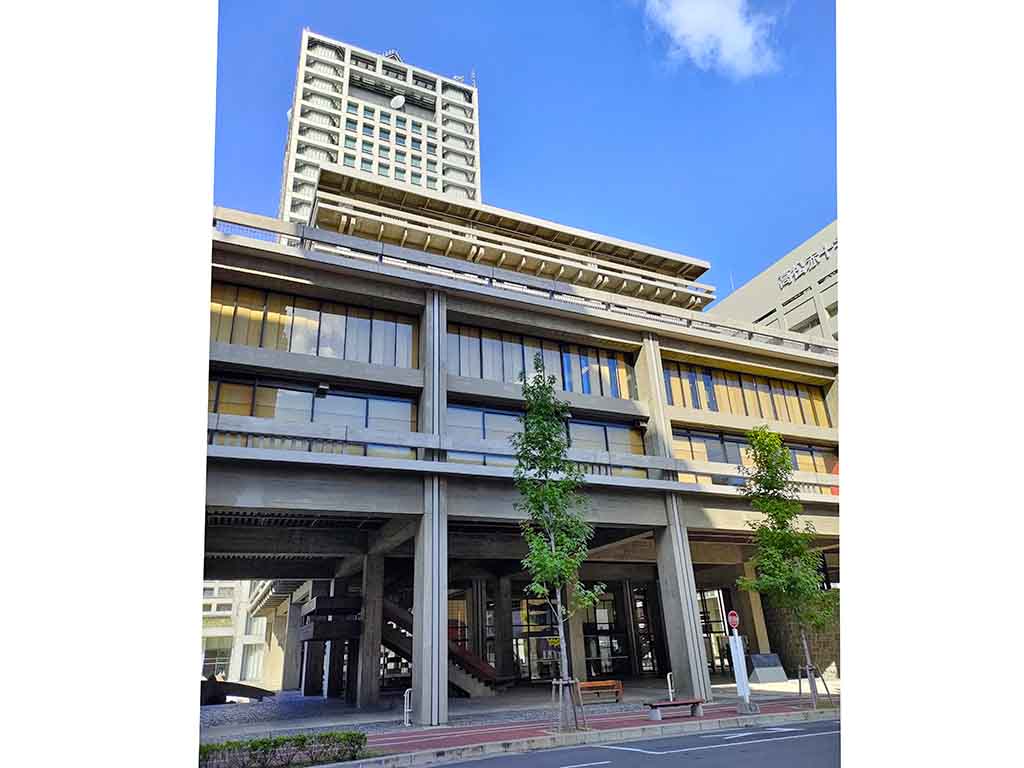
In 2000, Kagawa Prefecture added a new building (22 stories), which was also designed by Tange. The original ones are now called the East Wing. The East Wing consists of two buildings: one is a two-story building that is horizontally expansive. The ground-level pilotis elevate the building from the earth, and the second floor has multi-purpose halls. The other building is an eight-story office surrounded by balconies.
Tange pioneered “democratic” architecture for Japanese society
Tange saw a picture of Le Corbusier’s proposal for the Palace of the Soviets (1930) when he was a high school student. It was the conceptual model that was never realized because his proposal didn’t win the competition. But still, the beauty of the structure inspired Tange to become an architect.
When he became an architect, Tange often employed Le Corbusier’s methods and ideas. With the Kagawa Government Office, he used Le Corbusier’s “modulor” system. Everything from spans between columns, sizes of doors, windows and floor tiles were designed based on a module of 1.8 meters x 1.8 meters. As a result, all the details in the building are perfectly aligned to provide neat and clear impression.
Tange also used the “core system.” The building had a streamlined core of 3 meters x 3 meters at the center to house staircases, elevator shaft, plumping system etc. As the “core” bore the load, the rest of the floor could be used freely without interruption of walls or columns.
Throughout the building, “openness” was one of the major themes. The building was built in 1958, only 13 years after the devastating end of WWII. Tange wanted to design public agencies to represent a new, democratic era for people. For example, he used pilotis to raise the ground floor of the multi-purpose halls to create open space for general public. His ideas were completely new to Japanese, which symbolize a new, free and open era.
How did Tange embrace traditional Japanese architecture?
Other important detail is the way Tange embraced traditional Japanese architecture. Ever since European architecture was introduced to Japan at the end of 19th century, marrying or reconciling European style with traditional Japanese architecture was one of the thorniest issues Japanese architects faced. Many of them before Tange would add Japanese-style roofs on top of European style buildings, because roofs were one of the most important elements in Japanese architecture.
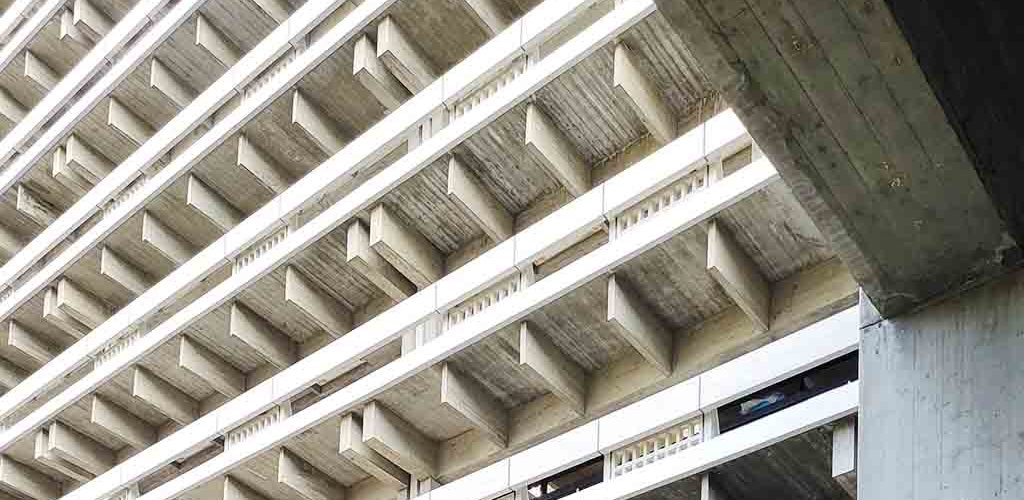
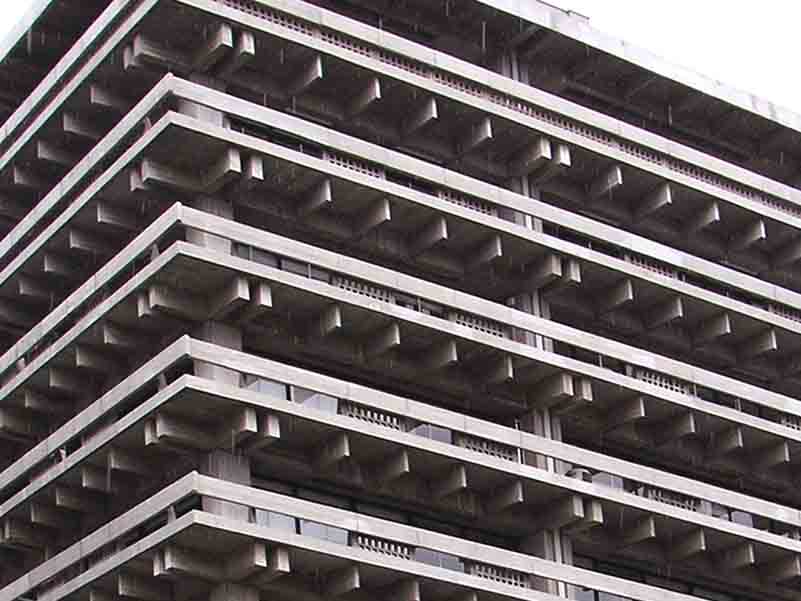
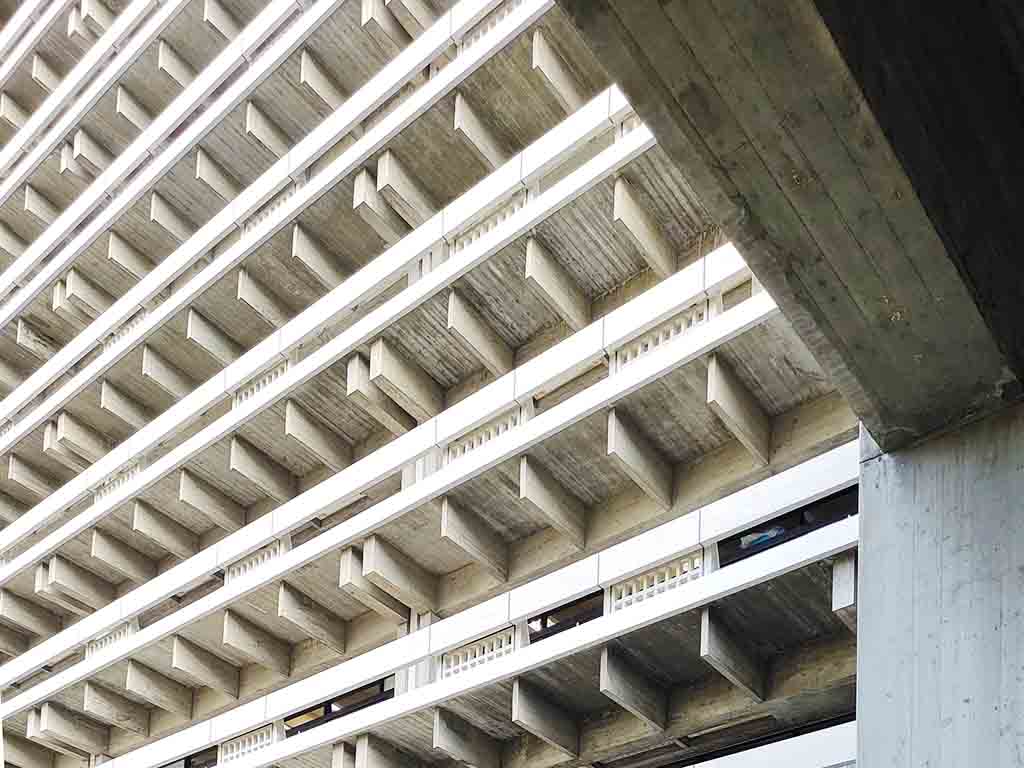
But Tange didn’t choose an easy path like that. In the Kagawa Government Office project, he incorporated traditional Japanese architectural elements as modern parts. For example, thinner beams that are arranged with narrow spans look like Japanese “taruki.”
Tange and furniture
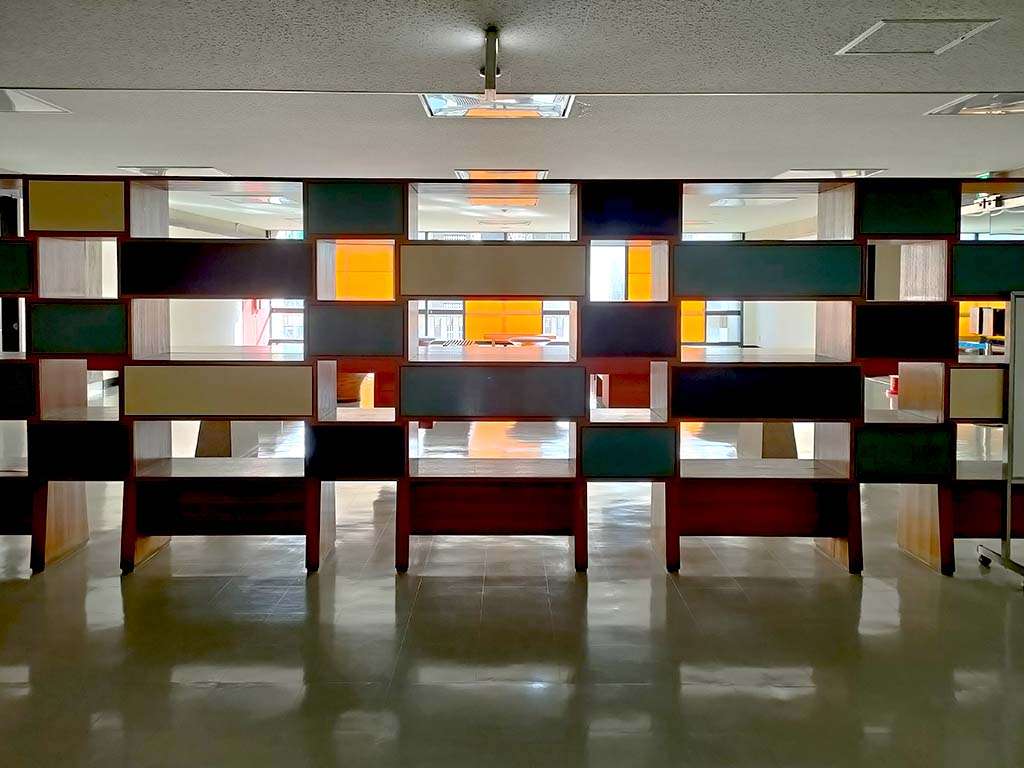
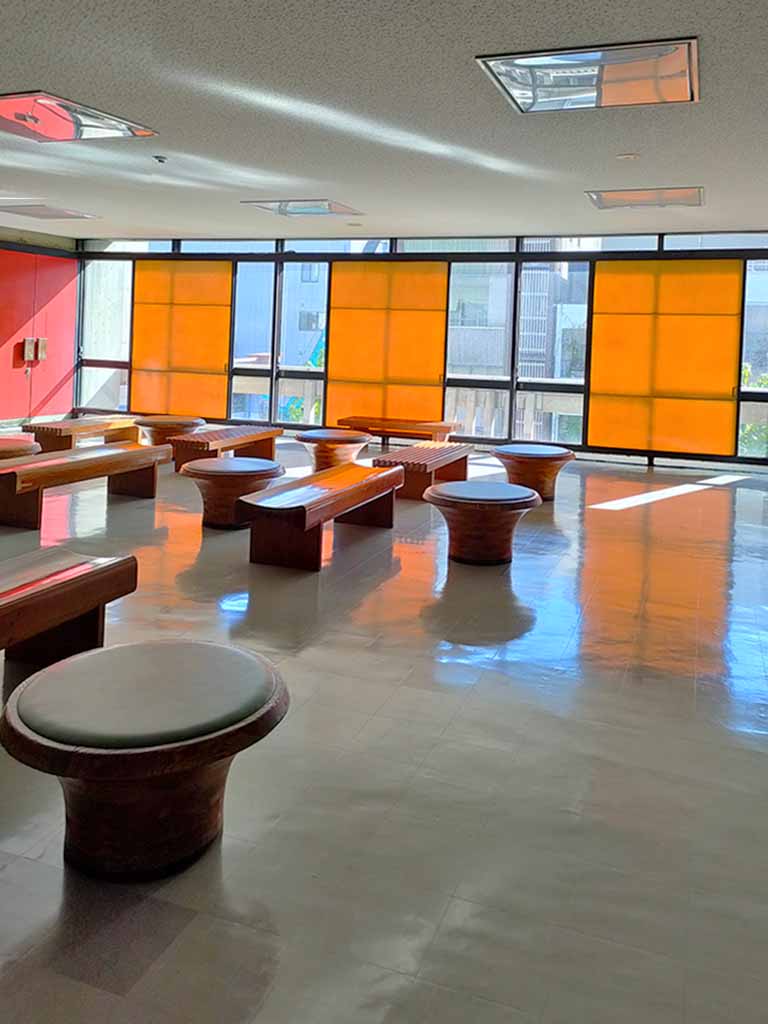
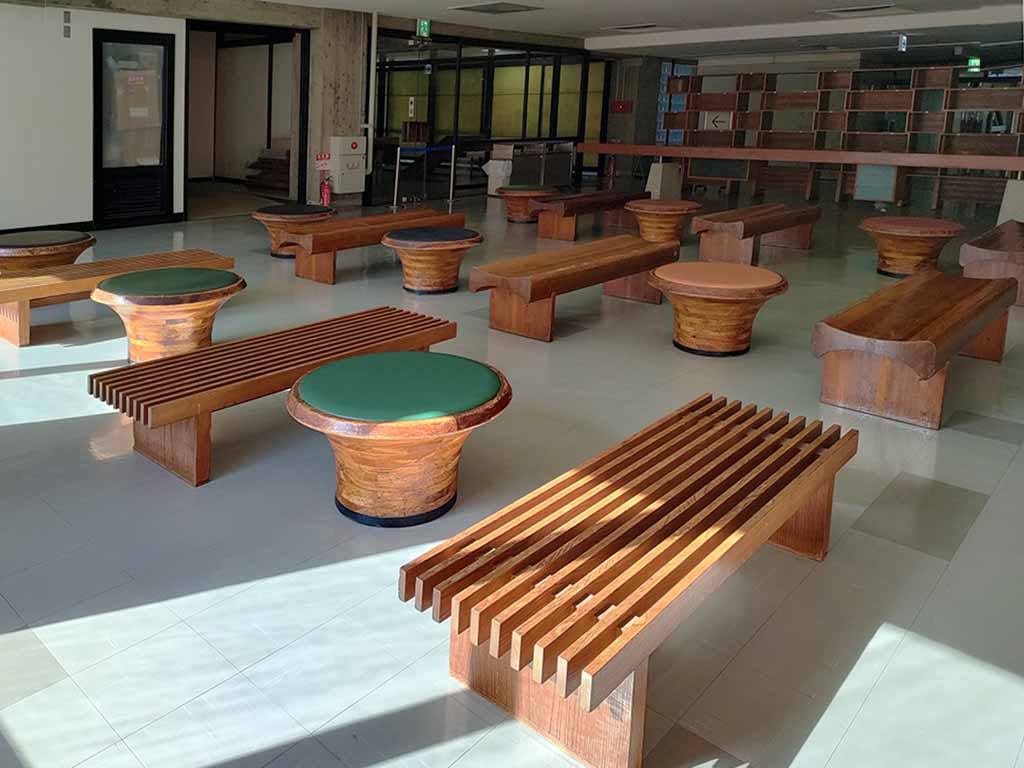
Some pieces of furniture were designed by Tange’s atelier at Tokyo University (He taught at Tokyo University after he completed his master’s degree in 1946). Some other pieces were designed by Isamu Kenmochi, who was one of the most influential modernist designers in Japan. They look pretty bold for furniture designed for a public agency in a country that was still recovering from economic and cultural devastation after WWII.
Leave a Comment