About Junzo Sakakura
Japanese architect Junzo Sakakura was born in 1901. He studied art history at Tokyo University, but became interested in architecture. So he went to Paris in 1929, studied architecture before starting his apprenticeship for Le Corbusier in 1931 (It was the year Le Corbusier designed the Villa Savoye.) As he earned Le Corbusier’s trust, he became job architect, then chief of the studio. He came back to Japan in 1935 and started his own atelier right before WWII.
During his time under Le Corbusier, Sakakura was involved in urban development of Algiers, Algeria. That experience helped him to prepare for urban development projects in Japan including the areas surrounding Shibuya Station in central Tokyo. He excelled in both individual buildings such as Institute Francais and large public projects to support hundreds of thousands of people on a daily basis.
About L’Institute Francais and Junzo Sakakura
The Japan-French Foundation in Tokyo had been founded as early as 1924, but WWII held back their activities. However, they were quick to resume once it was over in 1945. As early as 1949, it applied to build a new facility for L’Institut Français to teach French and disseminate French culture in Japan. Probably because of his ties Le Corbusier, Sakakura was picked to design the facility.
It is notable that Sakakura faced serious material shortage because Japan was still struggling to recover from the devastation. The construction started in 1950 but he couldn’t finish a multi-purpose hall as he planned.
The original facility was completed in 1952 with classrooms, office and the residential units for the chairman of the institute. It’s impressive that he pulled off such an iconic building while dealing with the post-war economic chaos.
Junzo Sakakura Design Details
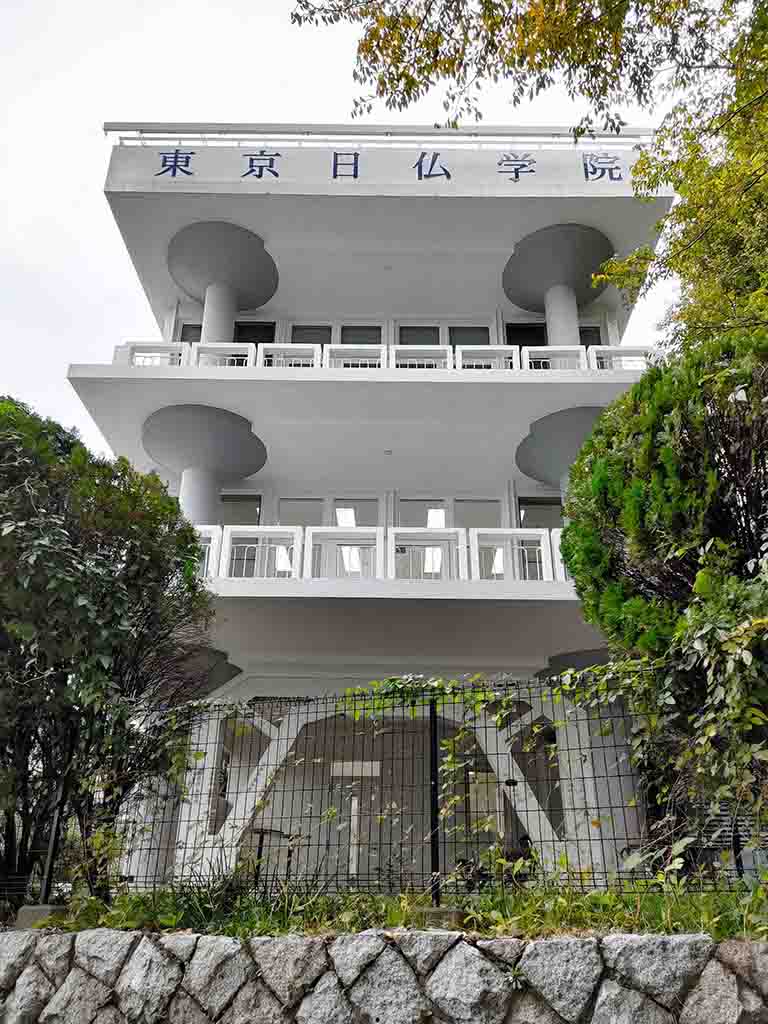
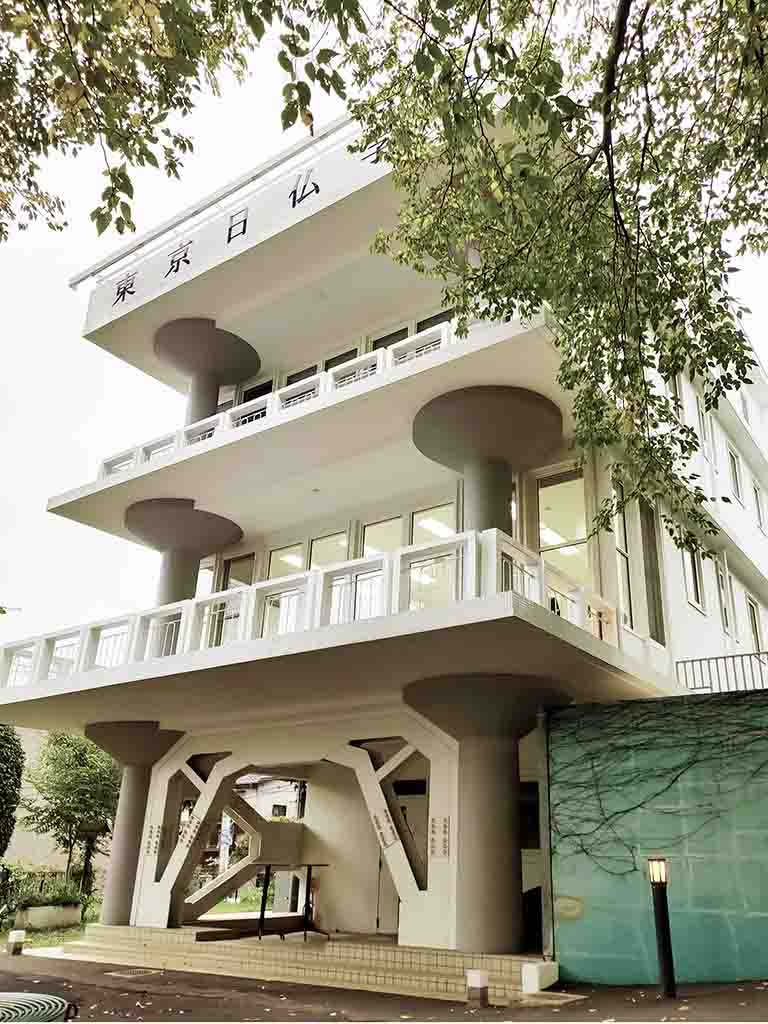
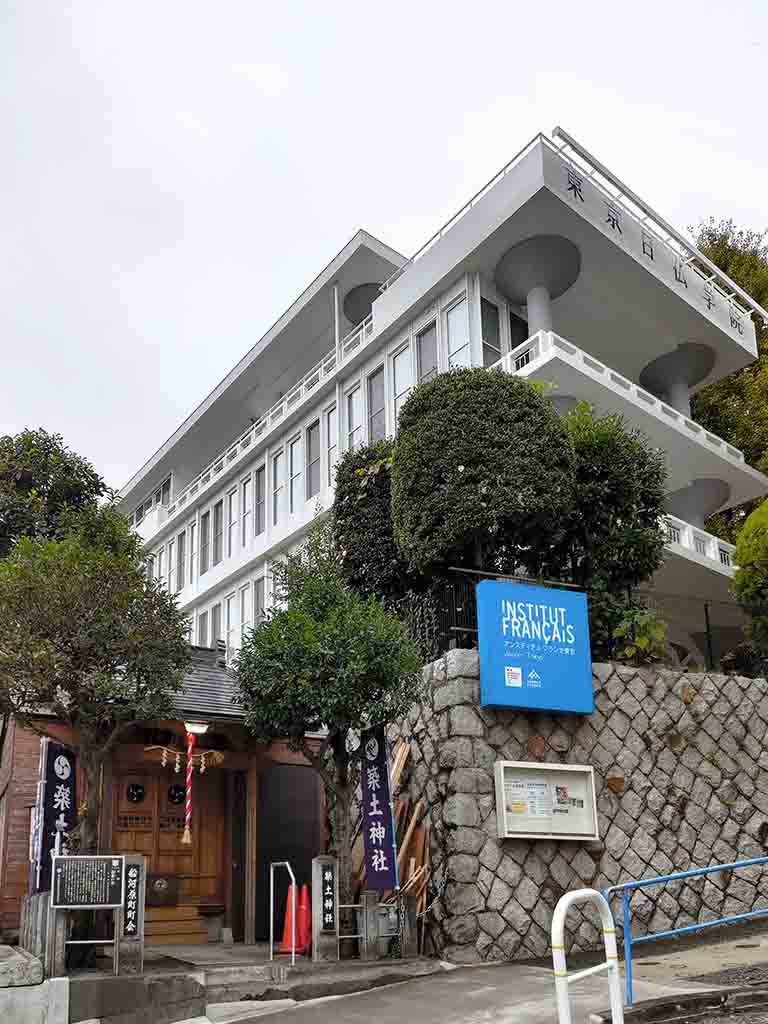
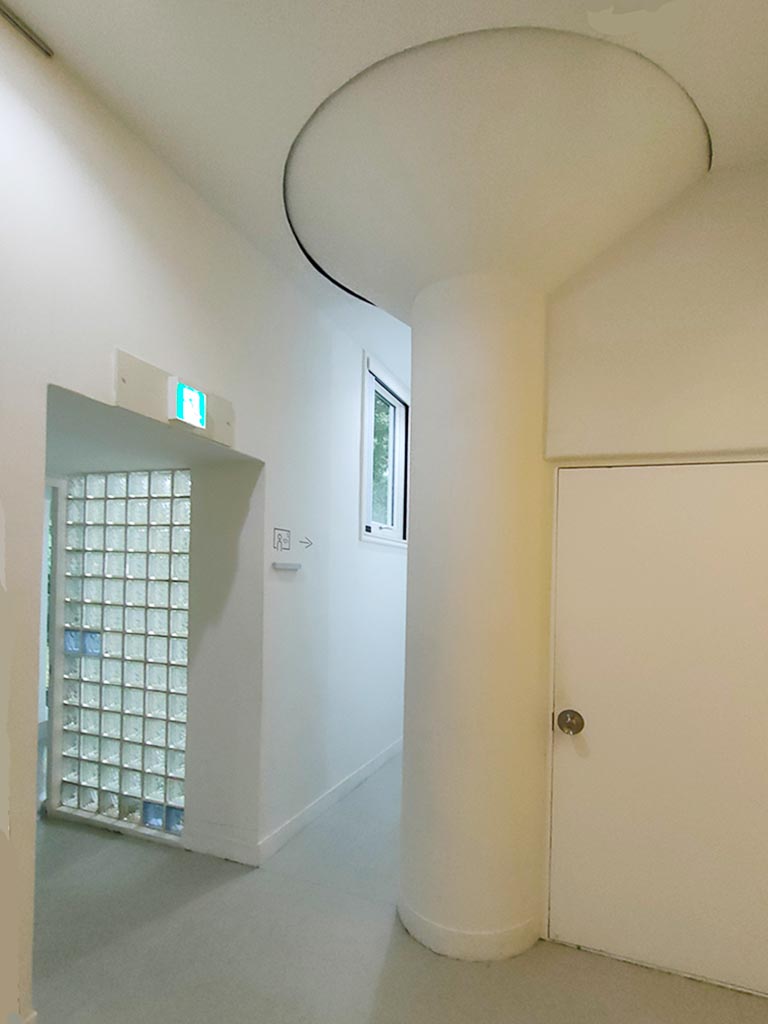
Sakakura used the fat “champignon-pillars” that support the upper floors as one of the motifs. (They were originally painted blue and were more eye-catching.) We don’t know why Sakakura chose the “champignon”-shaped pillar. However, one theory suggest that it was meant to increase structural strength to deal with earthquakes. (Japan is earthquake-prone.)
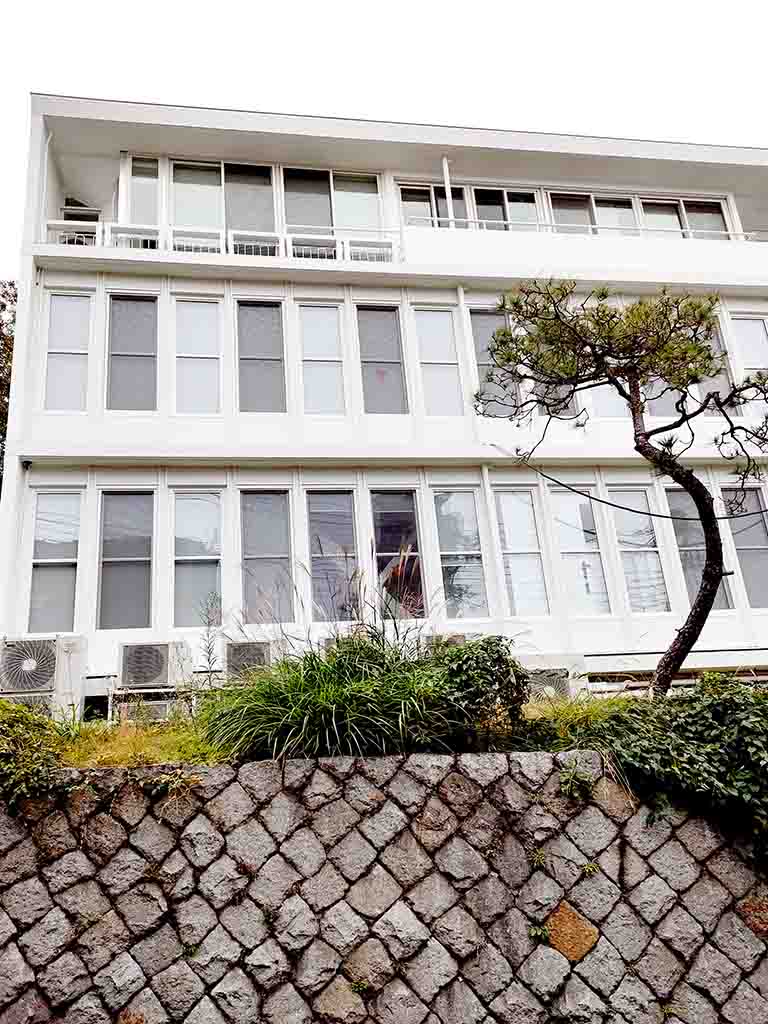
The other details the defines the exteriors is curtain walls. Sakakura used them in his projects. They are an exterior covering in which the outer walls are non-structural, so you can use lightweight materials. For this building, he used wooden sashes, which provides fine impressions a bit like Japanese shoji – partition panels.
Junzo Sakakura’s Iconic Staircases
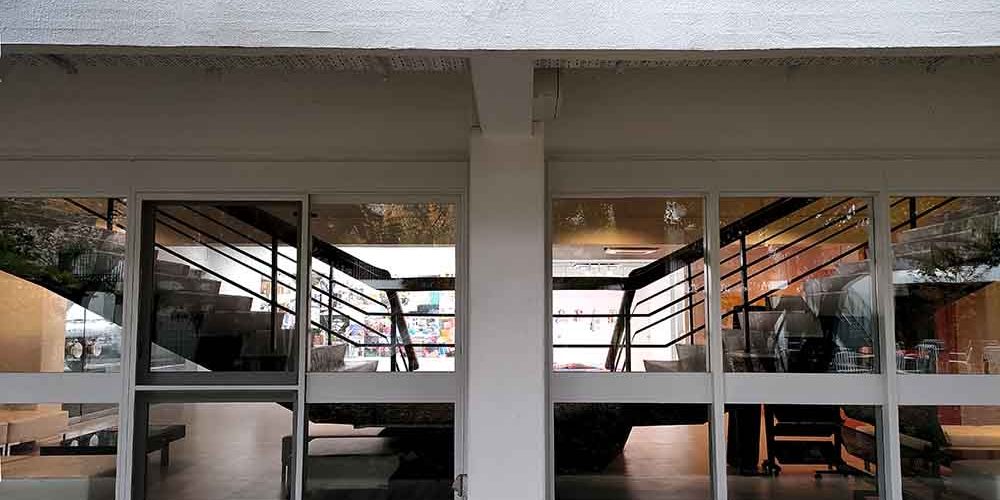
The highlight is the double-layered spiral staircase inside the tower attached in the middle of the L-shaped building.
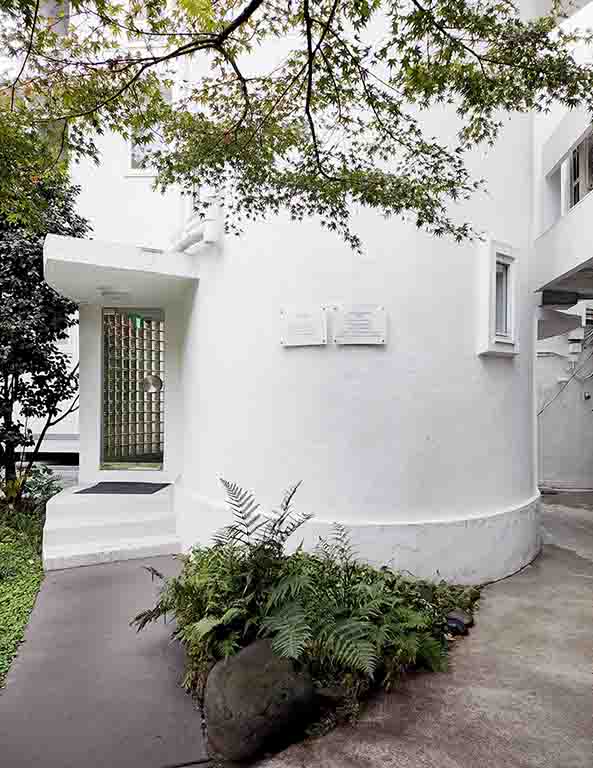
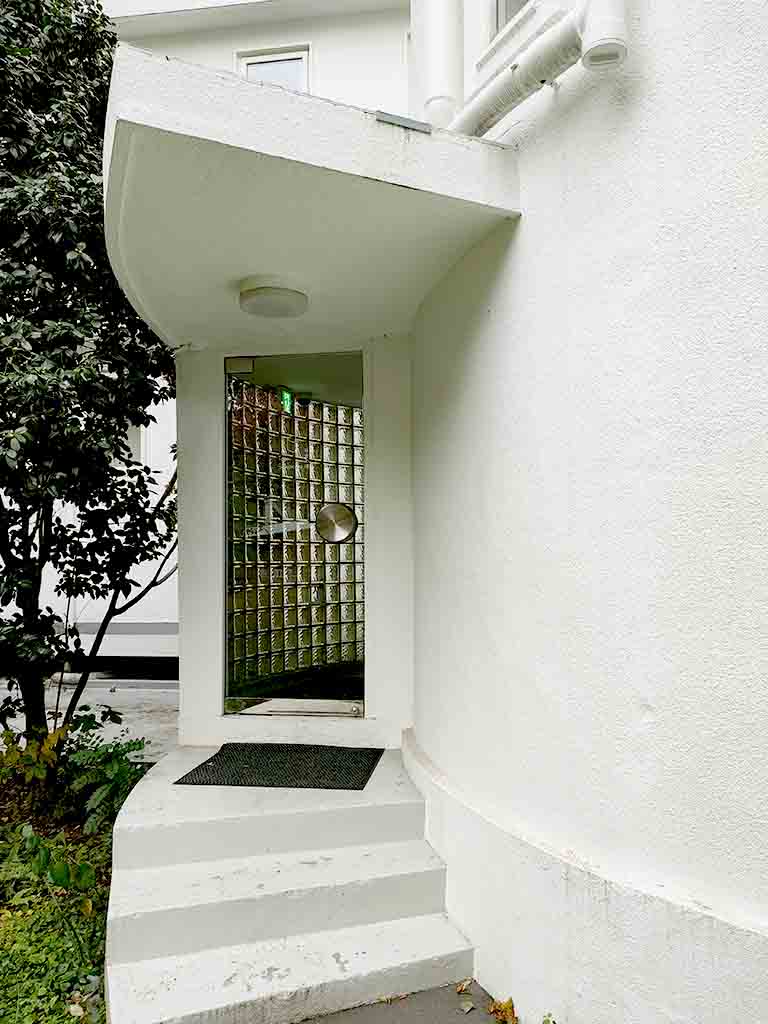
The staircase is inside the “Sakakura Tower,” which was originally designed as residential units for the chairman of the institute. It is believed Sakakura made the staircases redundant so that the chairman and his family could use the alternative staircase to avoid being spotted by students.
Only the Chateau du Chambord in France and this building have such a unique design.
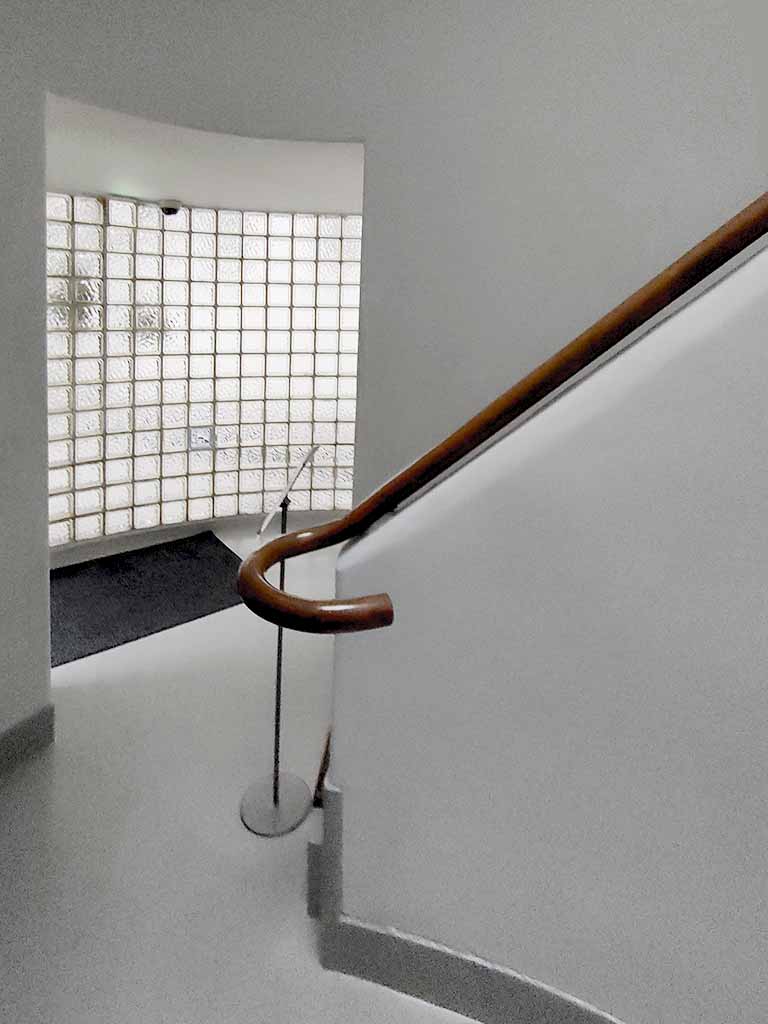
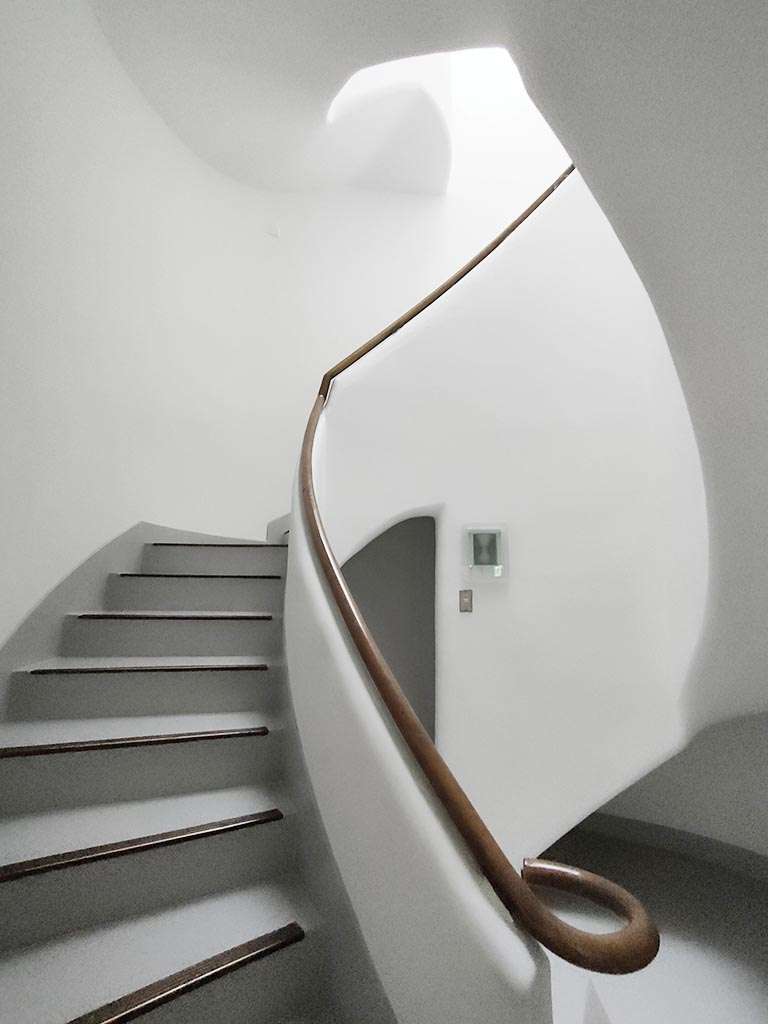
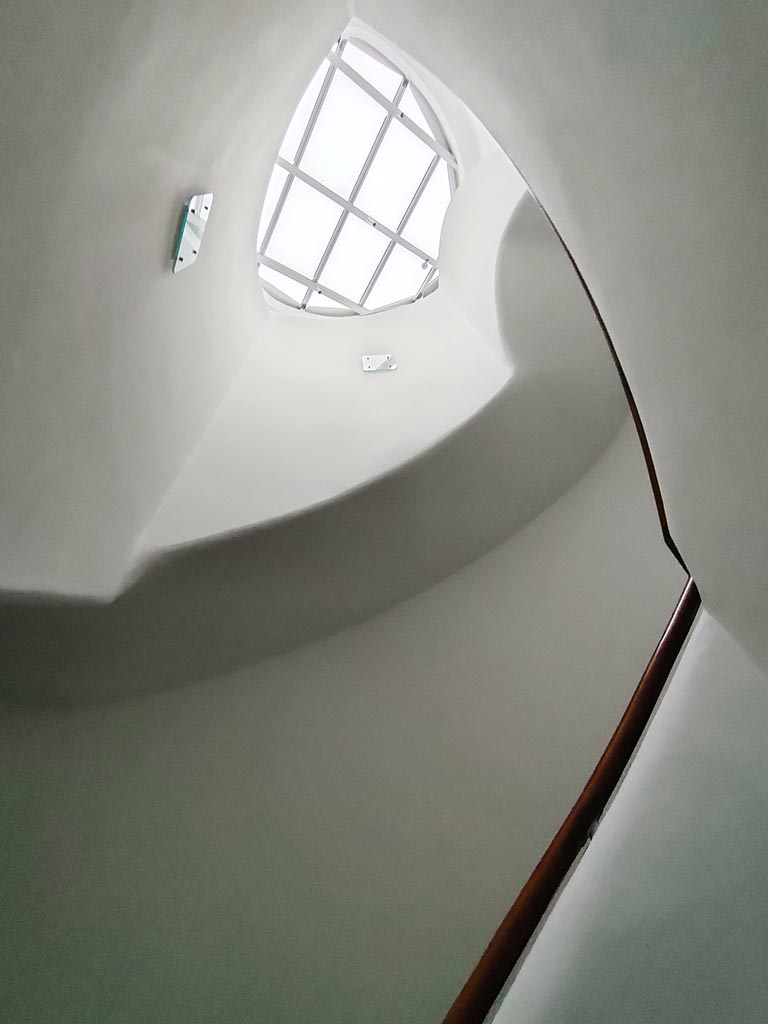
There is no public access to the staircases at this moment. You cannot use it or see the second (private) staircases. However, you can easily appreciate the almost art nouveau-like elegant curves.
The hall with classrooms is more vertically expansive, which suggests Le Corbusier influence.
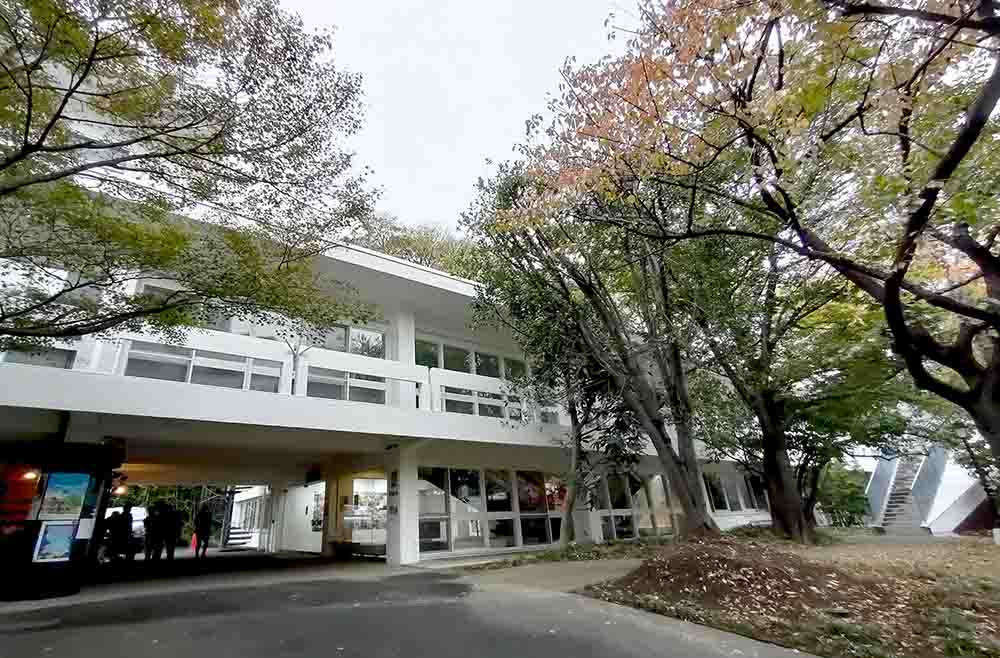
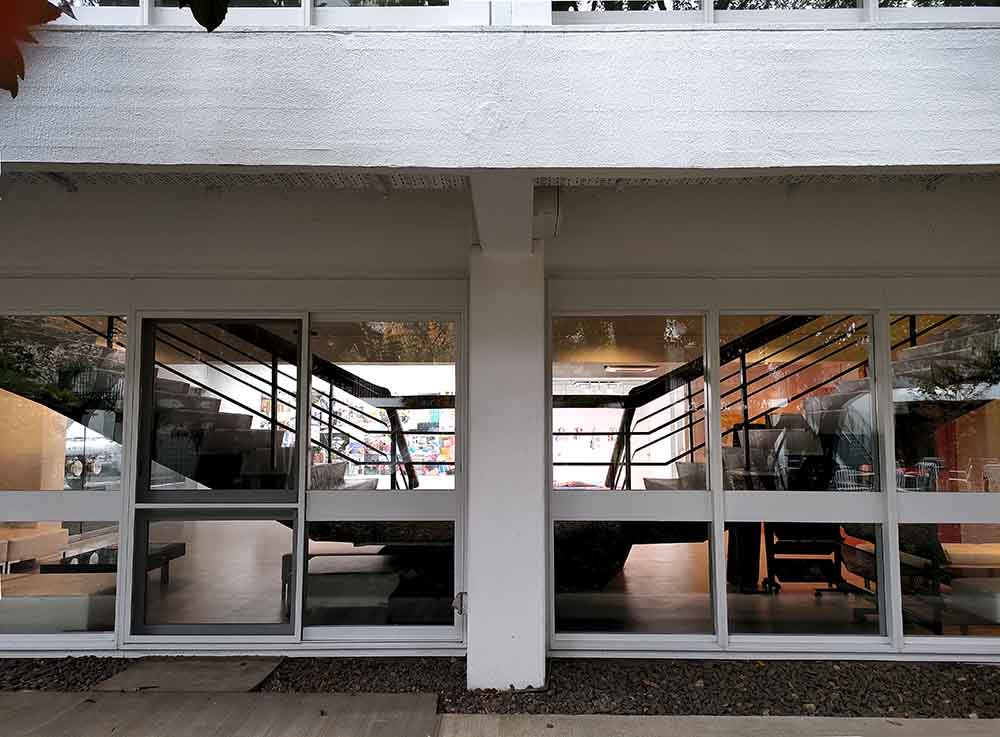
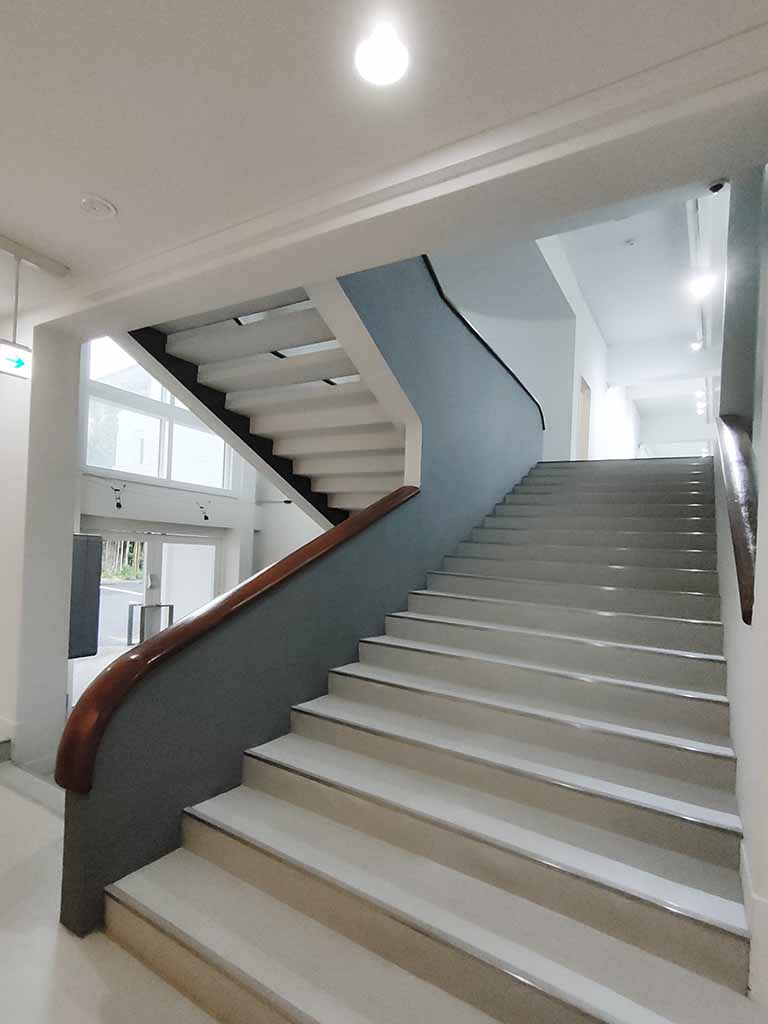
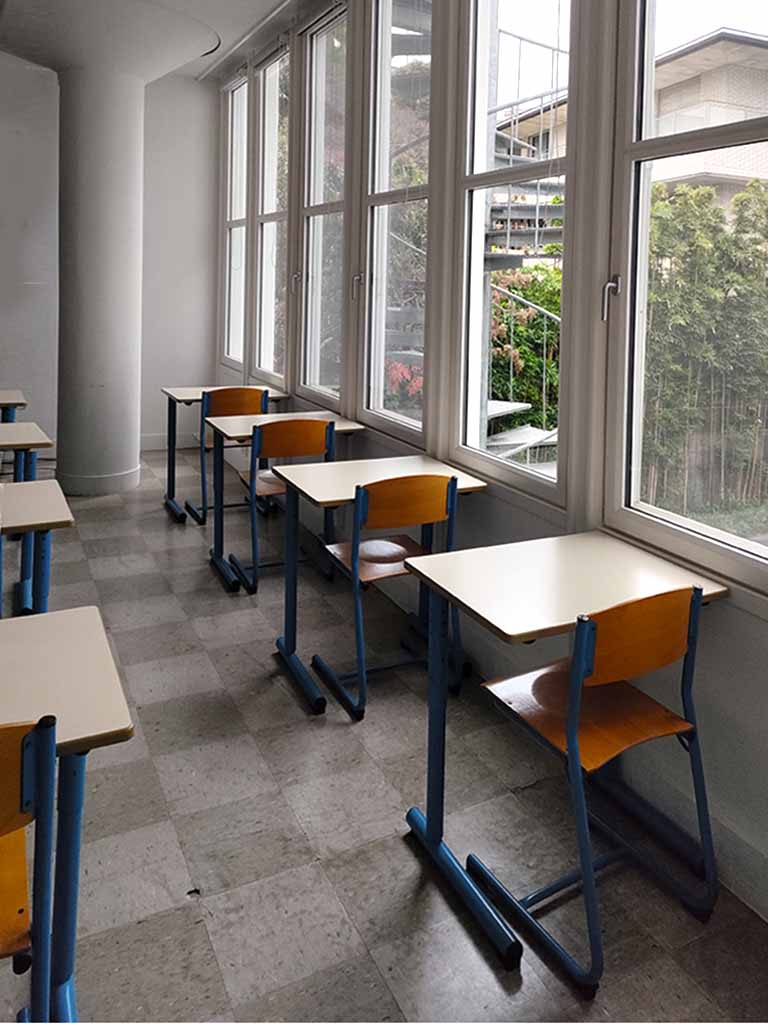
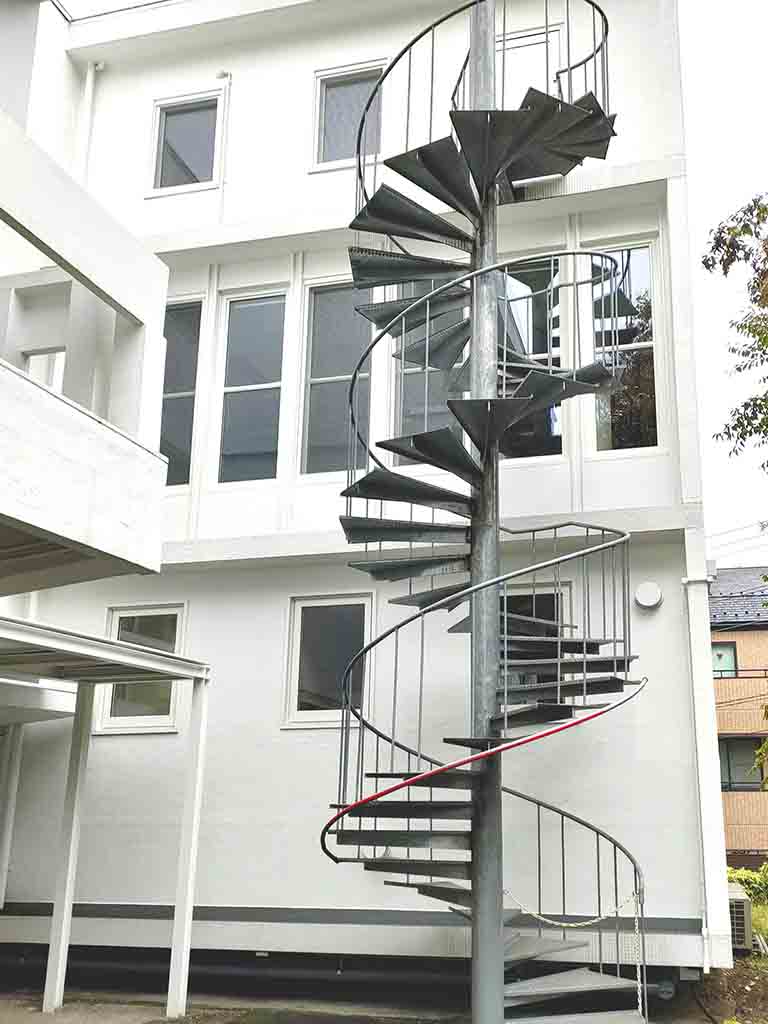
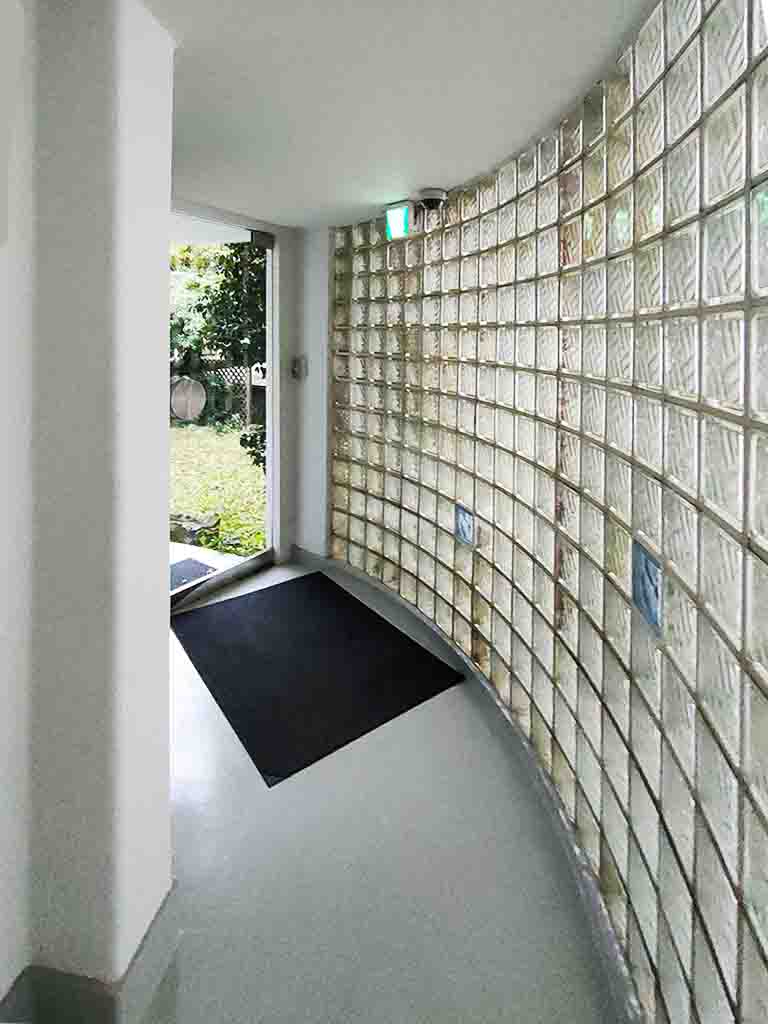
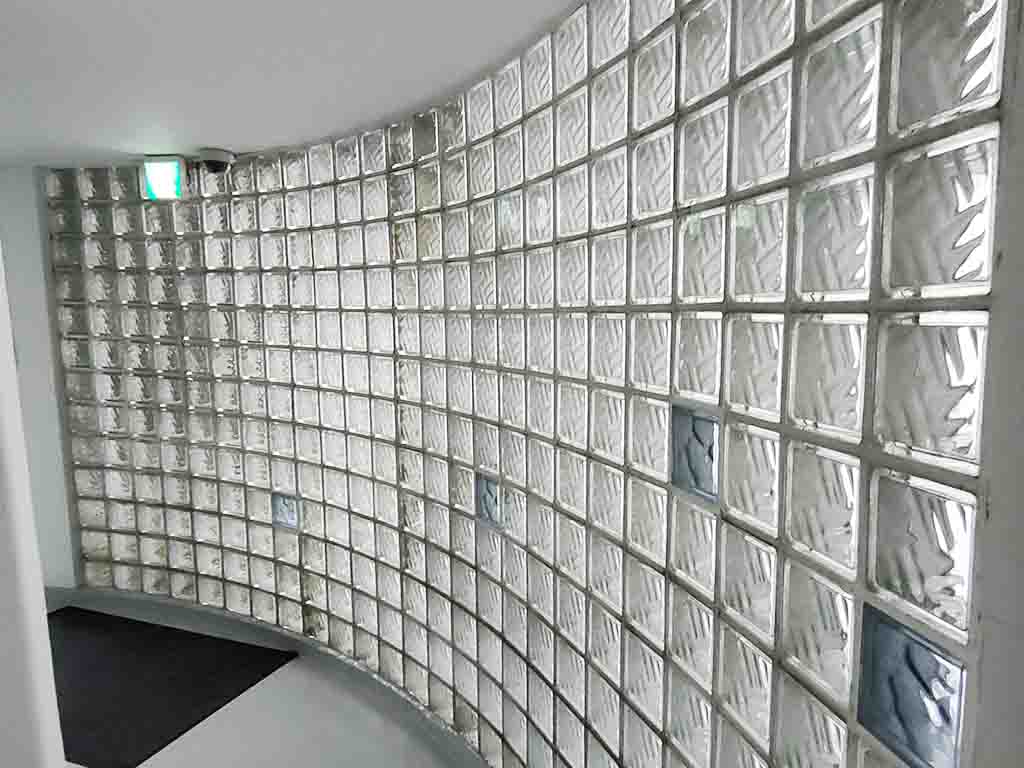
There are also other unique details such as spiral staircases and mid-century glass blocks.
Leave a Comment