
Hiroshi Sugimoto and his philosophy
Japanese artist/photographer Hiroshi Sugimoto was born in Tokyo, Japan in 1948, and moved to the United States when he was 22 years old. Ever since, he has been splitting his time in Japan and New York City while working in different parts of the world. It may be safe to say that Sugimoto is a cosmopolitan rather than Japanese. However, the fact that he has been away from his home for so long made him reflect what his country was all about. Today, Sugimoto is one of the few Japanese artists who can articulate the gist of Japanese-ness in Japanese culture. According to him, Japanese had been approaching the issue of artistic identity very differently compared to others, notably Western people. In Europe or North America, a successful artist almost always means someone who can produce something that never existed before. However, in reality no one’s work is 100% unique, as your creativity is inevitably shaped by what you’ve learnt or people who influenced you. In that sense, even revolutionary artists have their roots somewhere or in someone. Sugimoto believes that Japanese culture already recognized it and worked on the assumption that your creation was based on what you inherited with thousands of years of history.
But what existed before civilizations emerged? Sugimoto believes that the ultimate cultural roots are found in the surrounding environment and nature. While pursuing modern art, he re-discovered the gist of culture in Japanese landscapes that managed to escape modern development. Through these places, he believes that we can still feel how our ancestors connected with nature more than thousands of years ago to create culture.
The Enoura Observatory in Odawara
In Odawara, Kanagawa, Sugimoto found a place that lets us re-connect with nature. Sugimoto founded Odawara Art Foundation in 2009, and opened 江の浦測候所 (Enoura Observatory) in 2017. After many years of planning, he opened the Enoura Observatory in 2017. For Sugimoto who was born in Tokyo, Odawara was a special place. When he was a child, he would travel along the coastal line by train that went passed the area. From the train, he could see the wide-open Pacific Ocean and its strikingly beautiful horizon. That experience made him feel that he “existed.” His childhood experience eventually inspired his masterpiece “Seascapes.”
About the Enoura Observatory
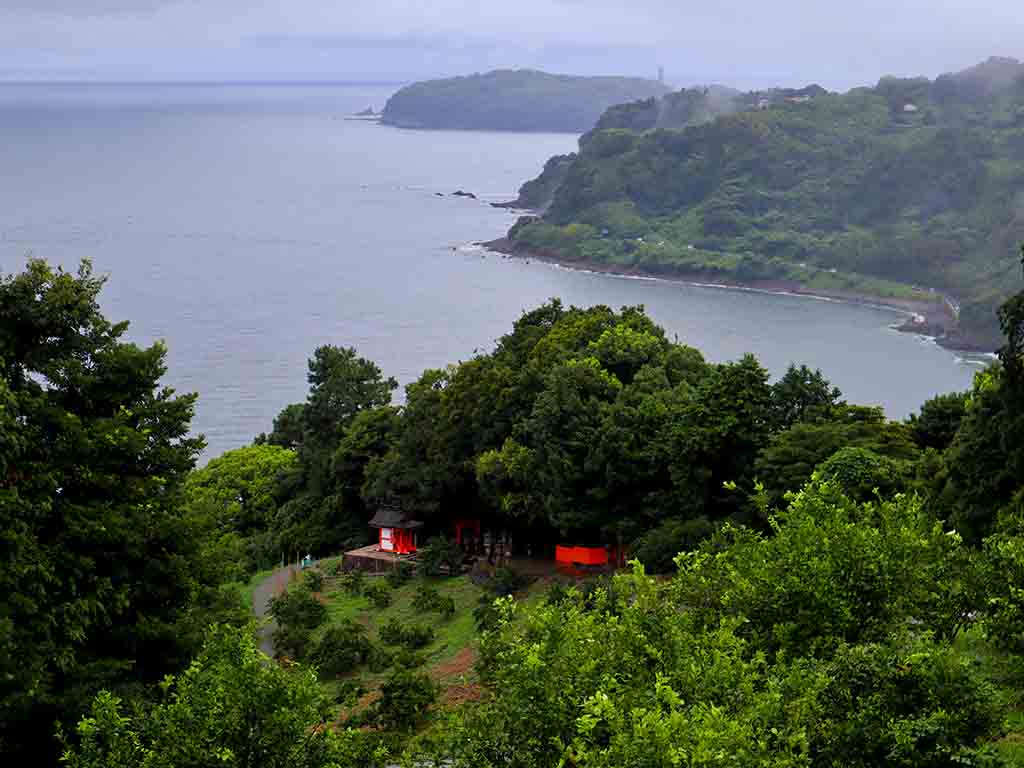
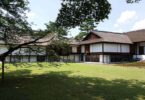
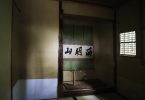
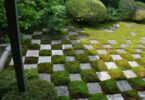
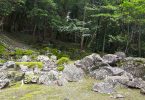
Nested in a beautiful coastal property, the Observatory has a museum, chashitsu (tea hut), a stage with ocean view, Zen rock gardens, bamboo grove among other things. Any area that managed to “escape” modern development is less accessible. In order to get to the Enoura Observatory, you take JR Tokaido Line and get off at a small station named Nebukawa. From there you can take a shuttle bus operated by the Observatory. While it’s a bit time consuming, it feels that the travel is already a part of the experience, as you quickly find the beautifully complex the topography that provides stunning views.
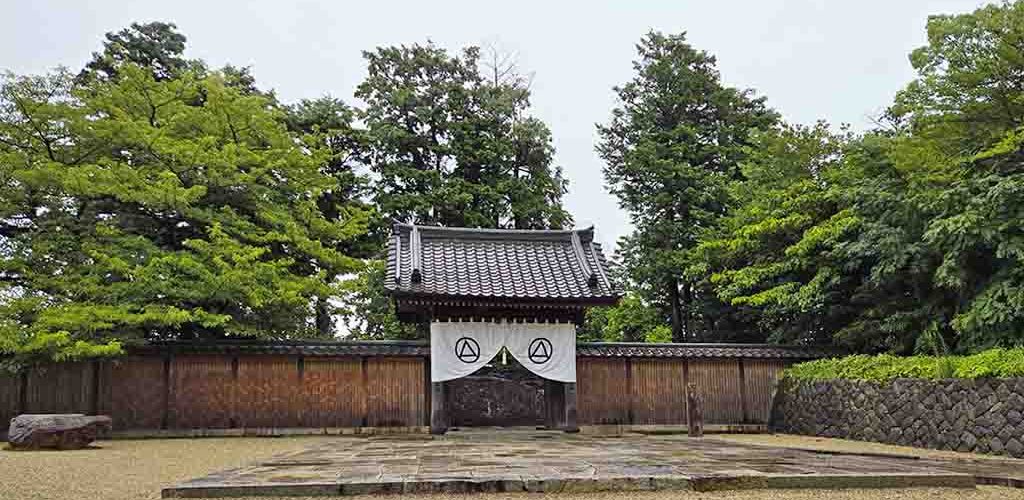
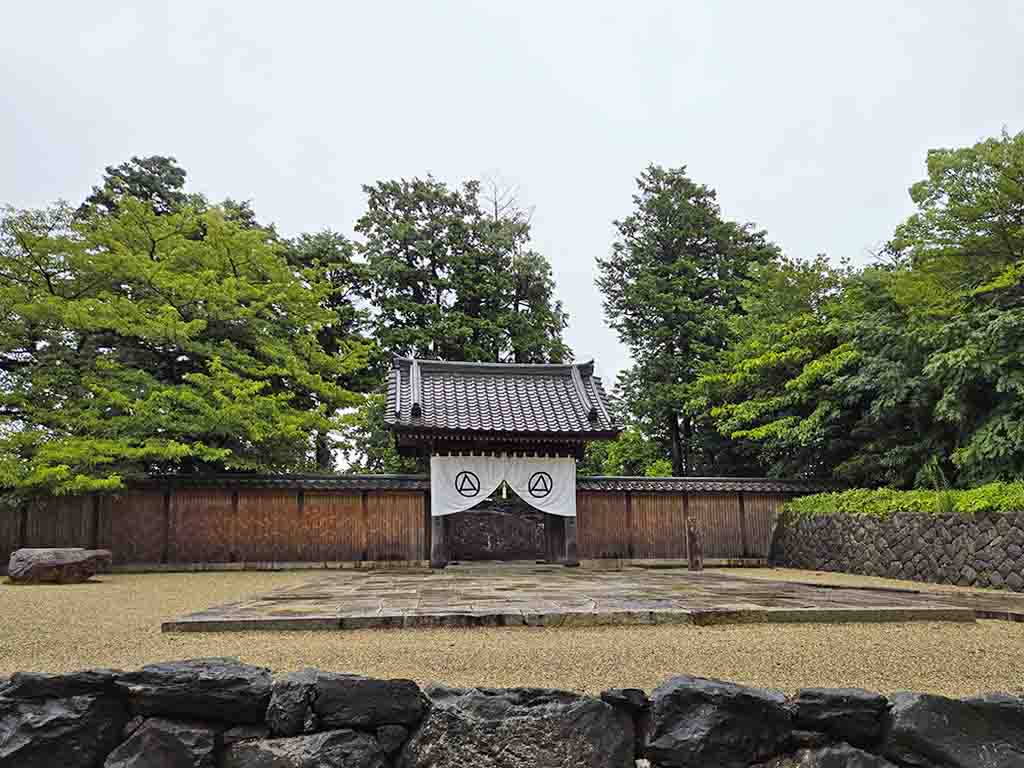
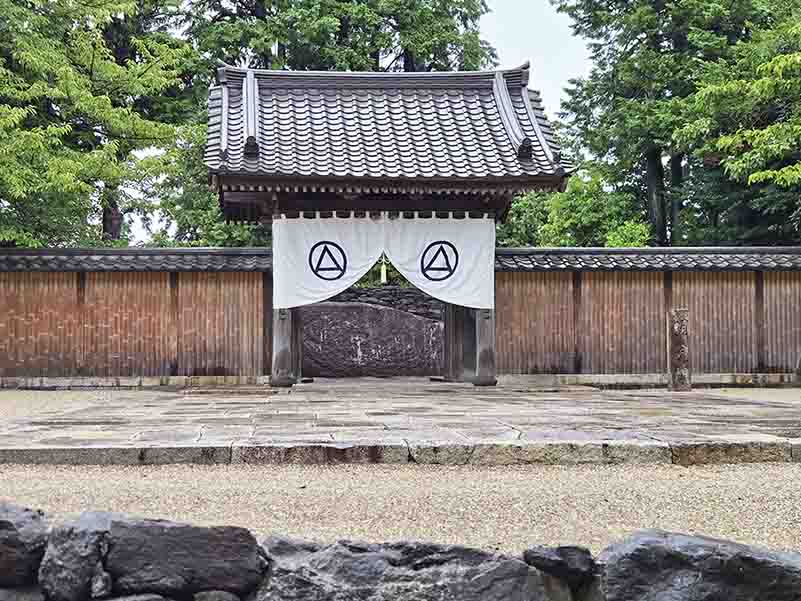
Once you arrive at the Observatory, you are greeted by traditional Japanese-style gate.
The Summer Solstice Light Worship 100 Meters Gallery
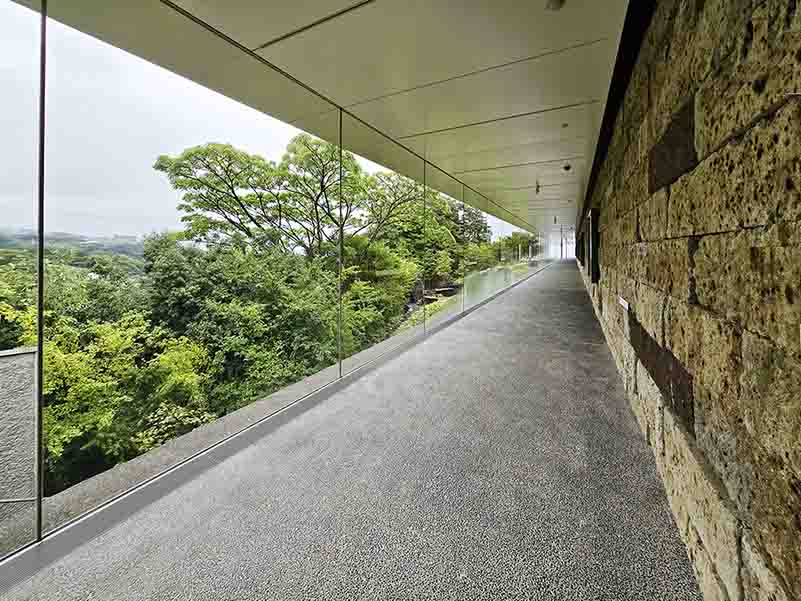
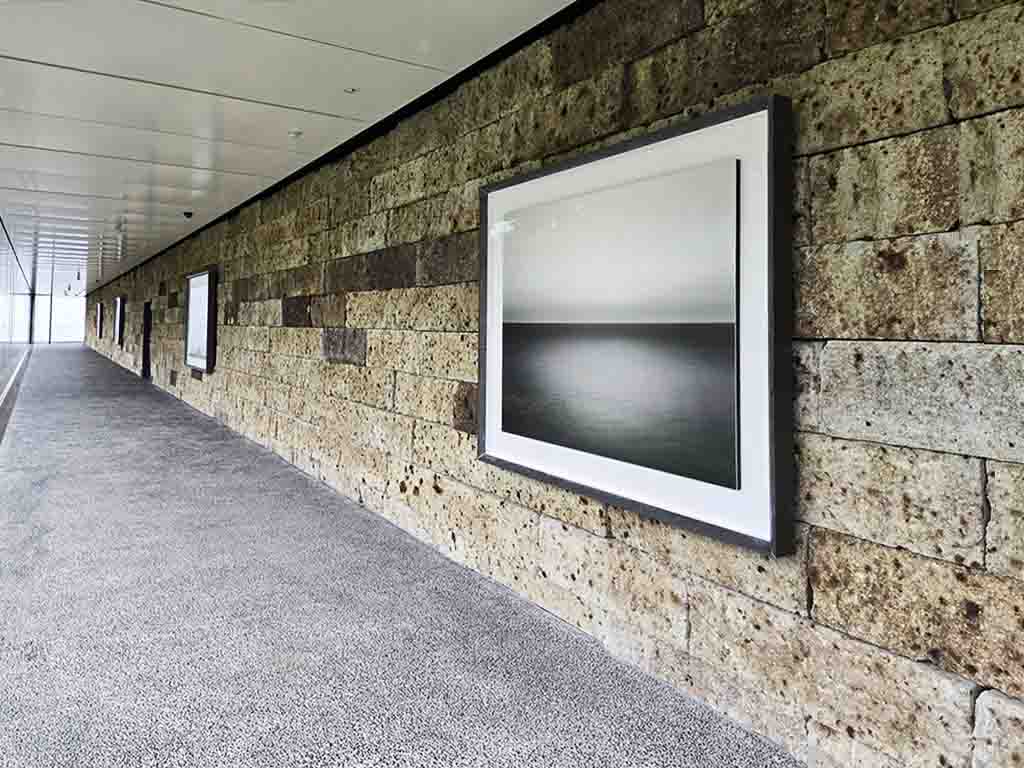
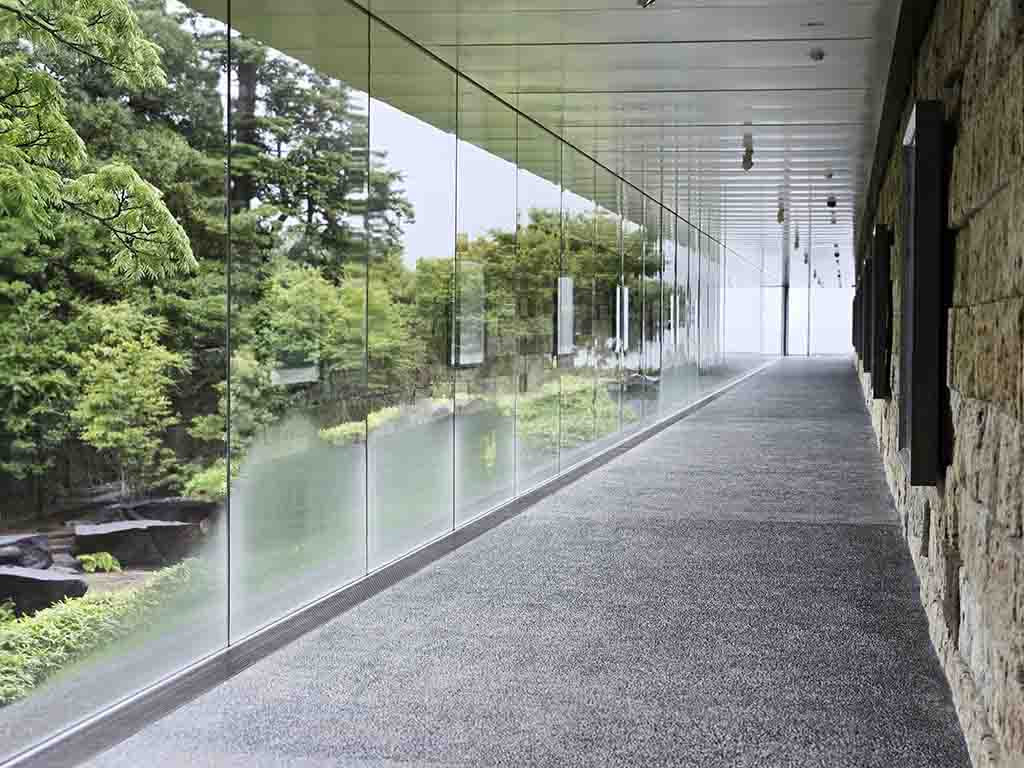
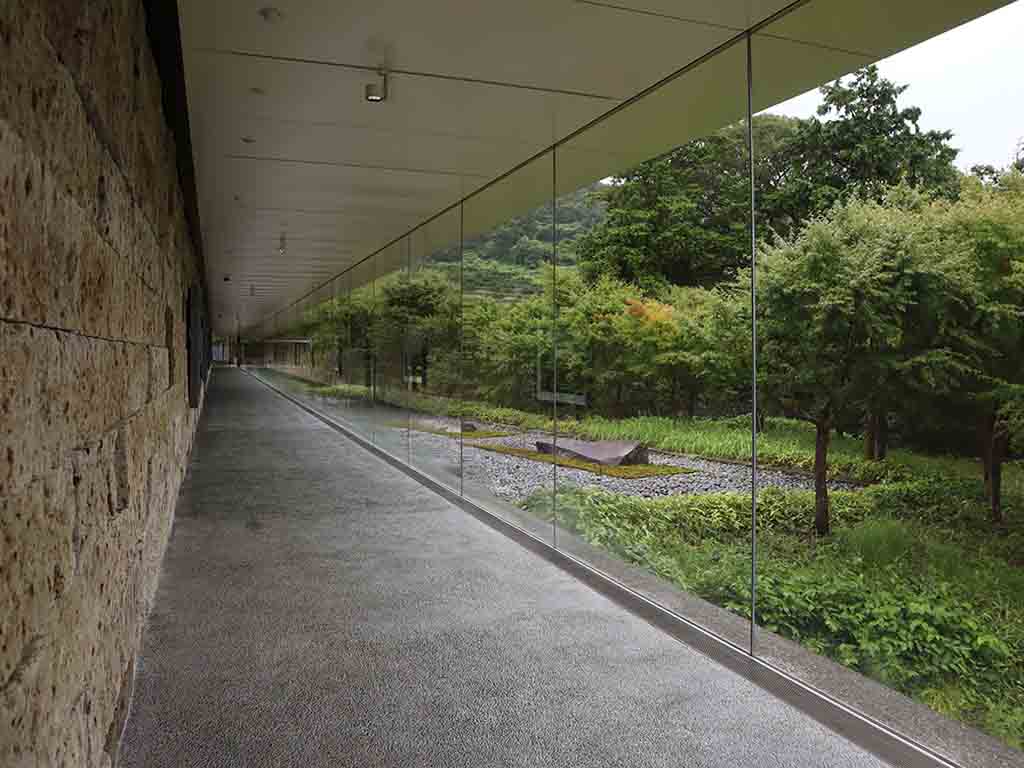
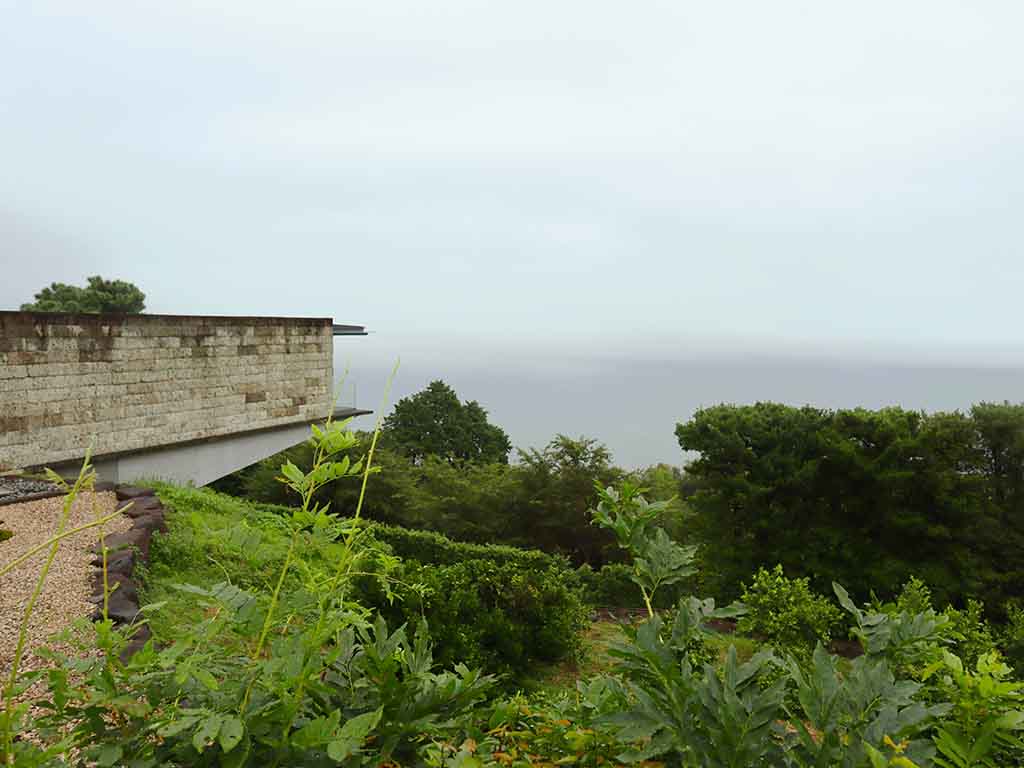
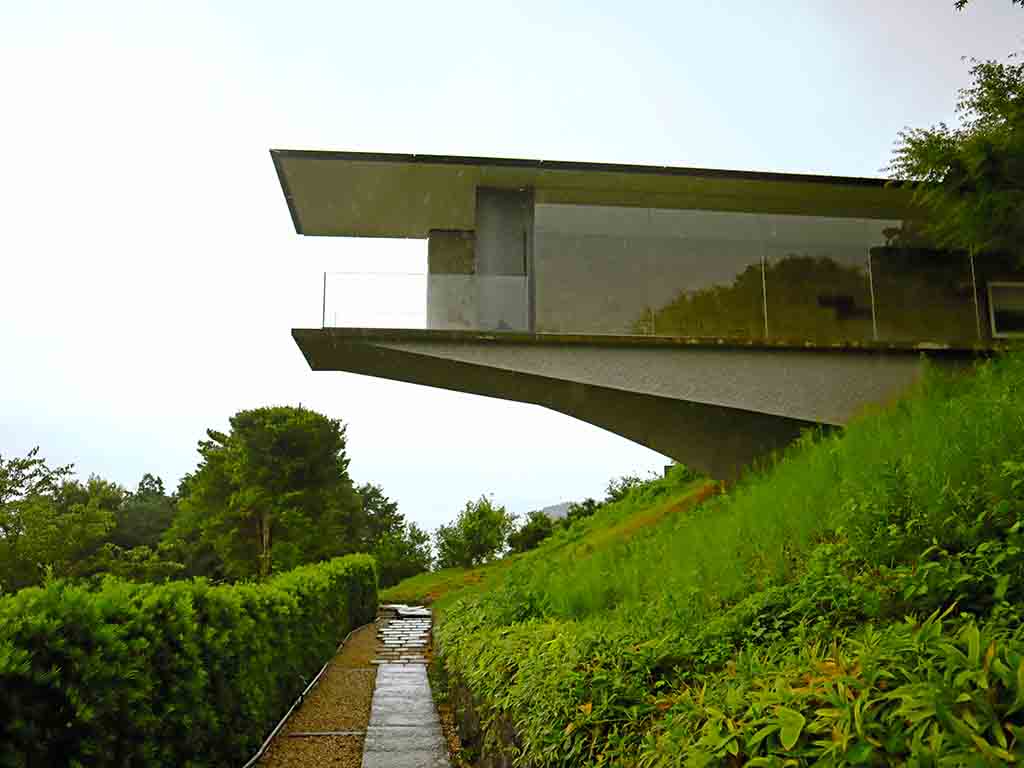
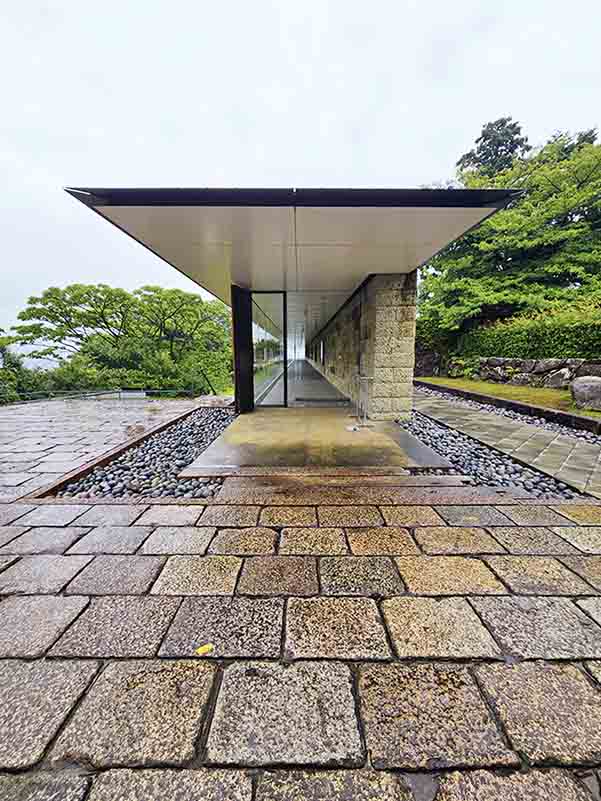
The first thing you will find is the Summer Solstice Light Worship 100 Meters Gallery. As the name suggests, it is a narrow, 100 meter-long facility that exhibits Sugimoto’s iconic “Seascapes” series. It is finished with Oya ishi (natural stone produced in Oya, Tochigi. Frank Lloyd Wright used Oya ishi for the Imperial Hotel he designed in Tokyo in 1923.) One side of the facility is covered by glass that have no support. The end of the facility is hanging in the air toward the Pacific Ocean (Sagami Bay) by cantilever. It is designed so that the sunlight will go straight through the gallery on the day of the solstice.
Leave a Comment