About Togo Murano
Togo Murano (1891-1984) is one of the most influential architects in Japanese modern architecture. However, he may not be well known outside Japan, and it’s probably because of his unique style that does not fit in stereotypical Japanese architecture. He is modern and classic at the same time. He can also be traditional and avant-garde at the same time. He embraced different elements at the same time, which might have made it difficult for people to characterize his works.
As a modern architect who spent his 20’s and 30’s in the early 20th century, Murano was interested in European Secessionism and Expressionism when he was young. However, when he started his career, he did not limit his potential to any particular styles. Indeed, his most famous quote is 様式の上にあれ, which can be interpreted as an aspiration to design buildings by going beyond any particular style. He picked up elements and details from different styles as needed to realize his idea. But he executed it so seamlessly that the entire projects look completely in harmony.
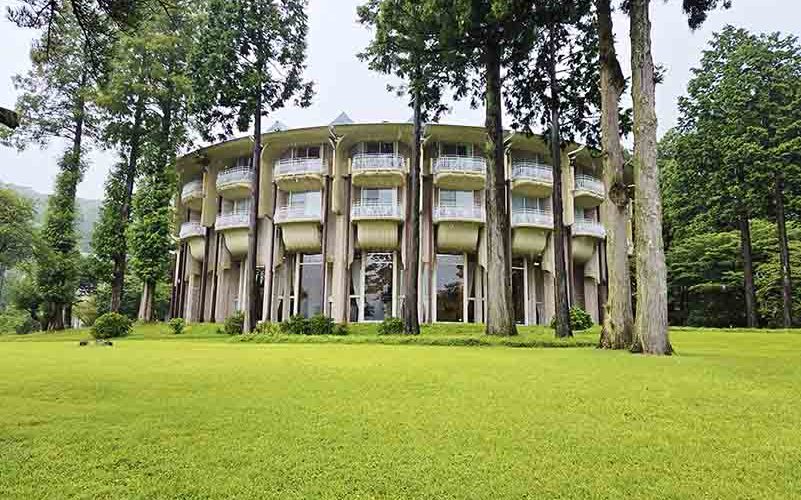
The Prince Hotel Hakone Ashinoko (ザ・プリンス 箱根芦ノ湖) designed by Togo Murano
Murano designed the Prince Hotel Hakone Ashinoko, Kanagawa, Japan in 1978. As he was already in his 80’s, it became one of Murano’s last projects.
One of Murano’s philosophies was to design a building that would dissolve into the surrounding environment. In that sense, the Prince Hotel was in a perfect location: it’s by a beautiful lake in Hakone, a mountain that has been a popular resort/retreat for Tokyoites since 19th century.
Since it was originally built in 1978, the hotel has been renovated and extended. It’s hard to know how it looked like in 1978, but the areas Murano designed are easy to tell. The notable areas are the entrance/lobby and two guest room towers.
The Prince Hotel Hakone Ashinoko: East and West Towers
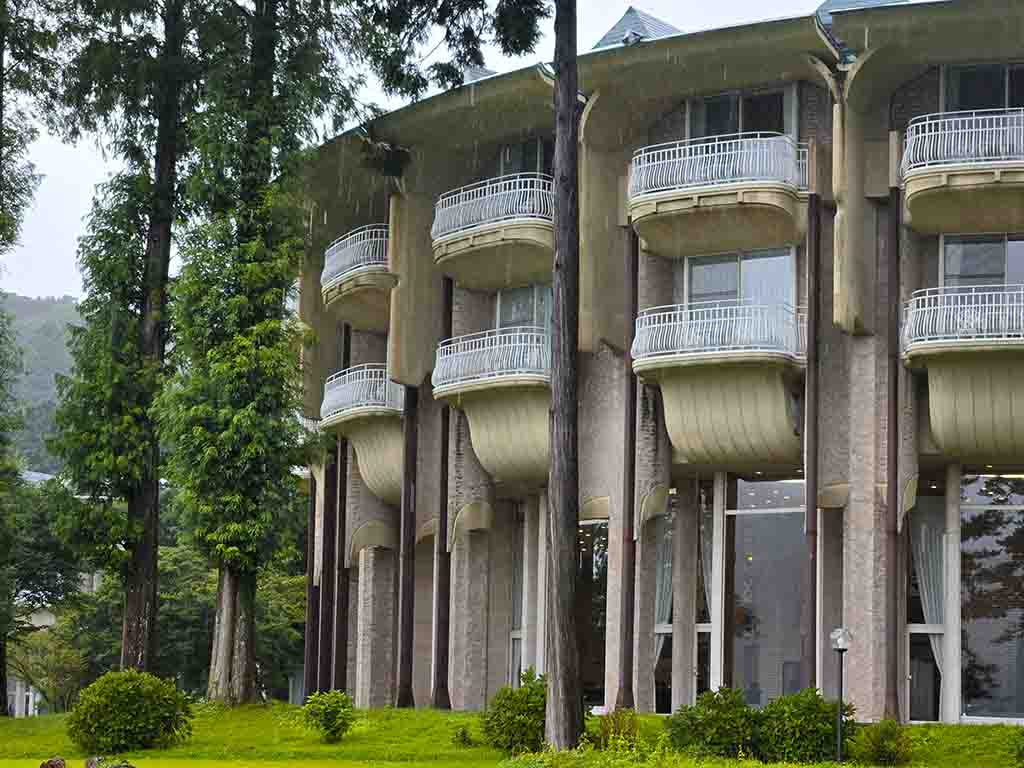
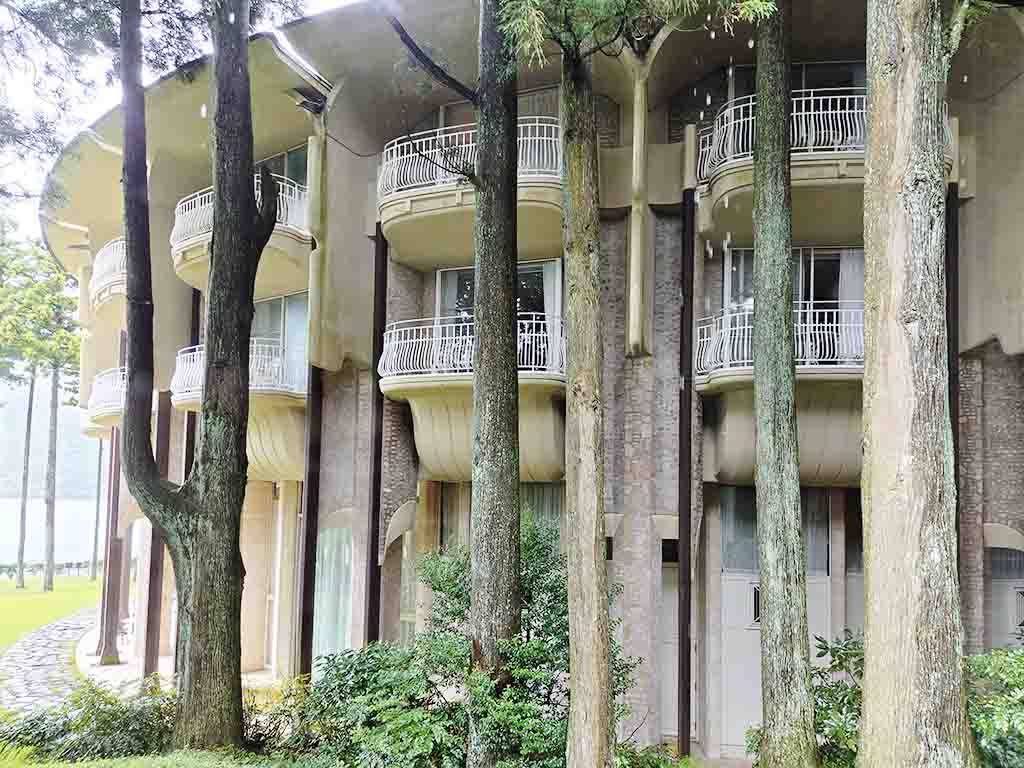
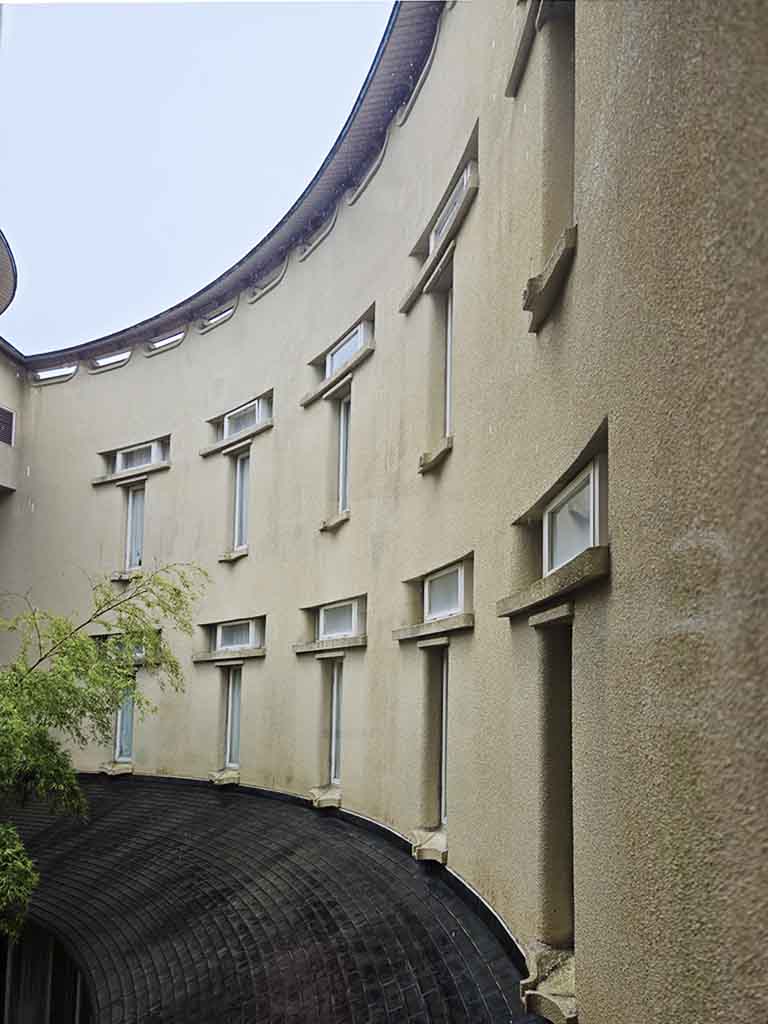
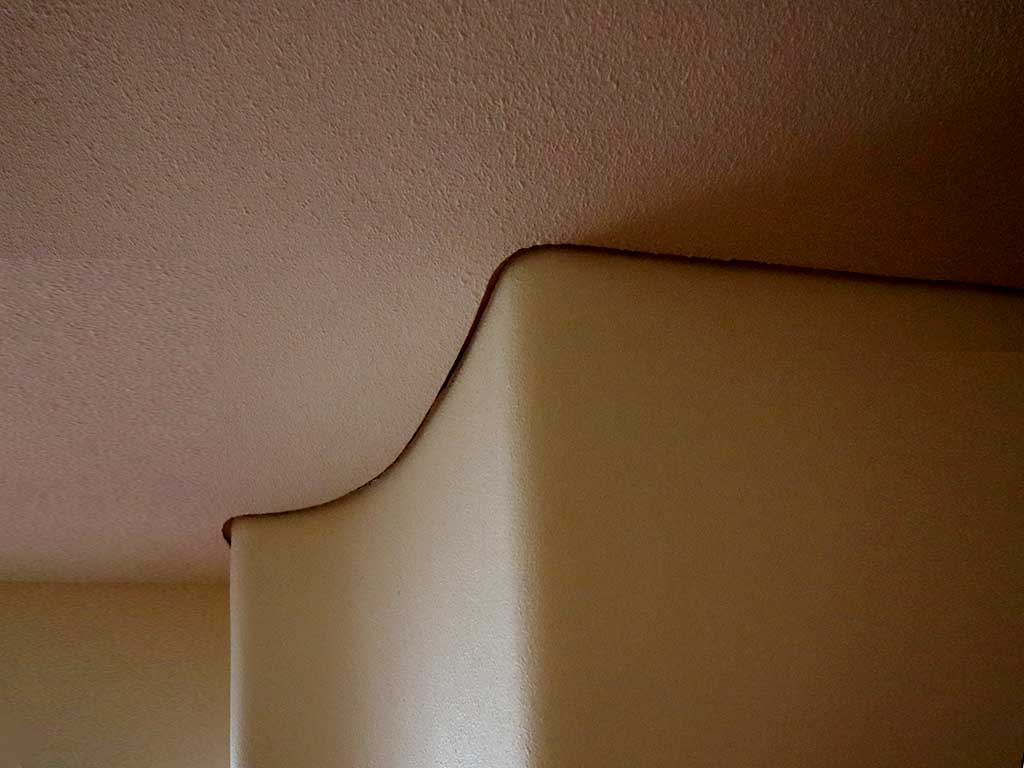
The twin towers that house guest rooms are defined by gentle curves. They may look like classical European styles, but then they have minimalistic patio with a small bamboo grove, which looks more like Japanese Zen style. Altogether, it’s difficult to name it; it simply is the Murano style.
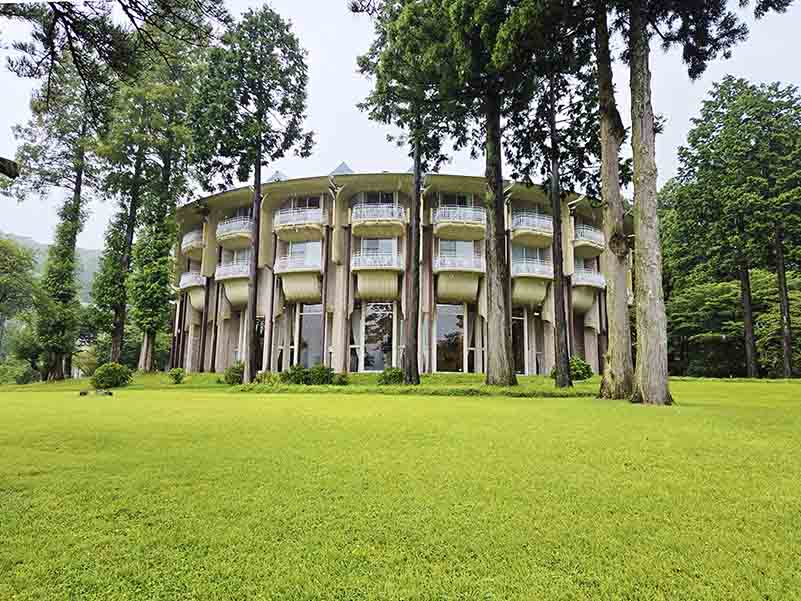
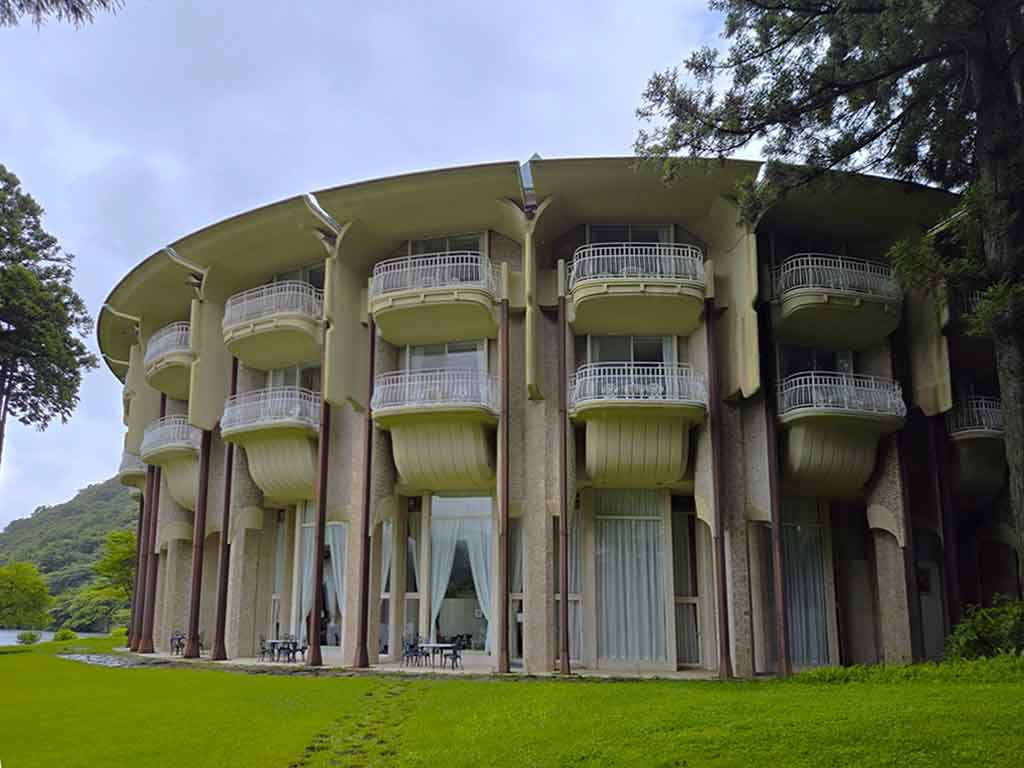
Murano does great job leveraging elegant curves to create natural, organic and relaxing atmosphere. Trees naturally grown in the area were preserved, and buildings were designed to be lower than them so that they wouldn’t overwhelm the surrounding landscape.
The Interiors
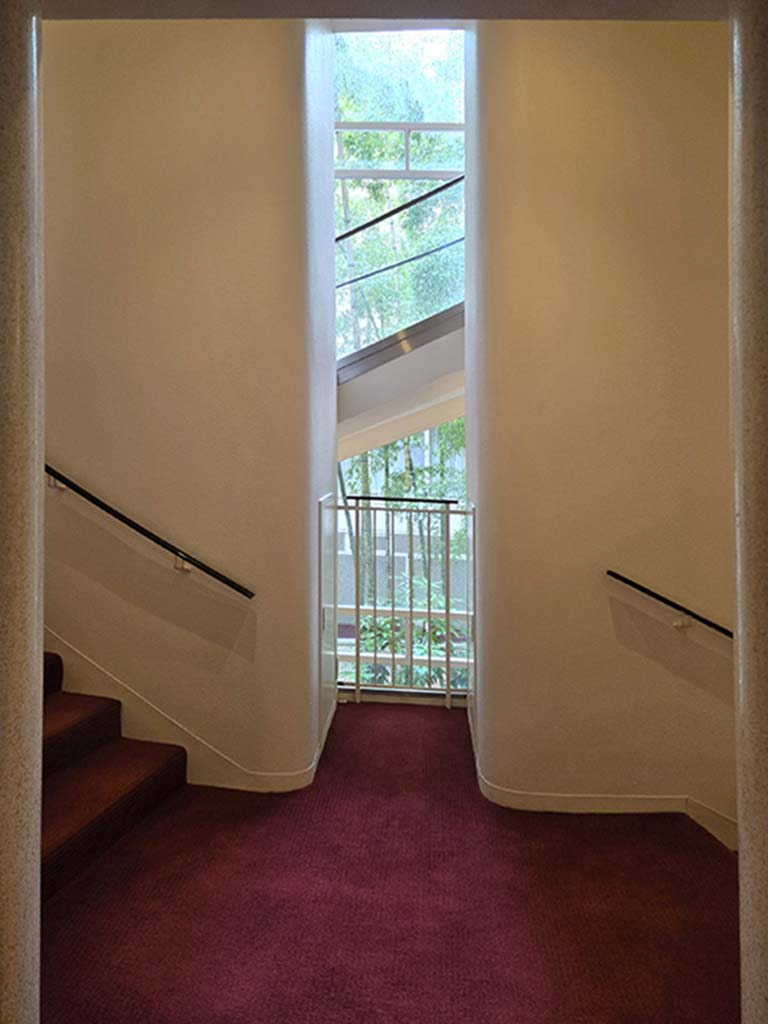
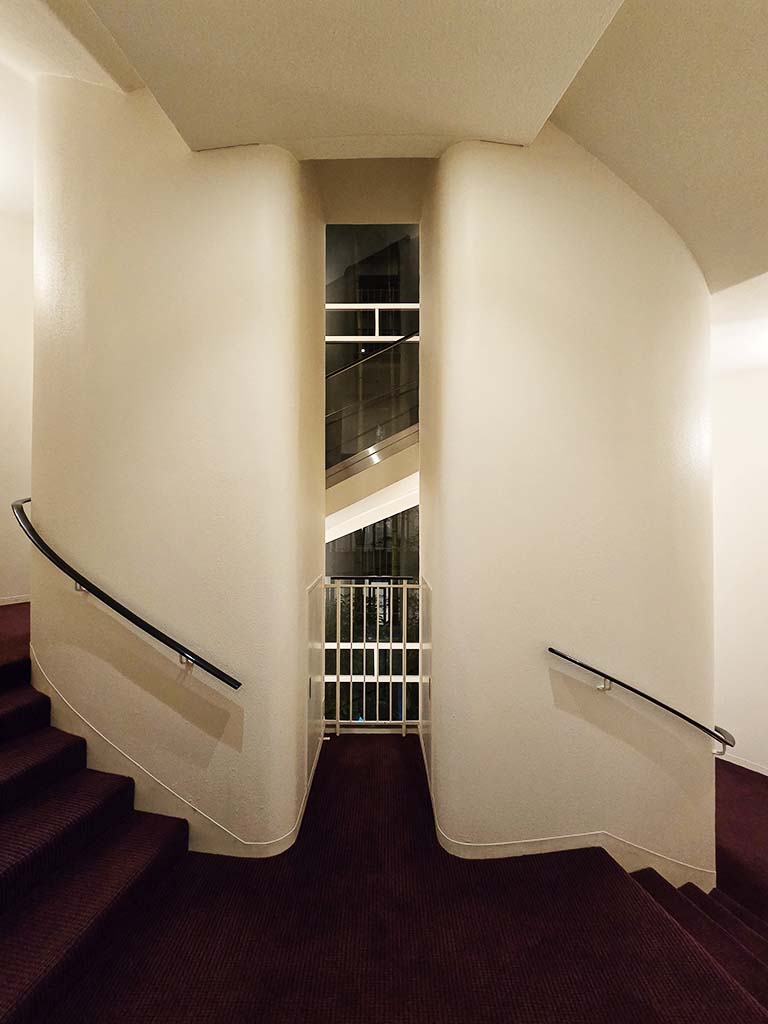
The cylindrical towers surround a circular patio with a small bamboo grove. The entire building is full of elegant curves, which provide classy yet relaxing atmosphere.
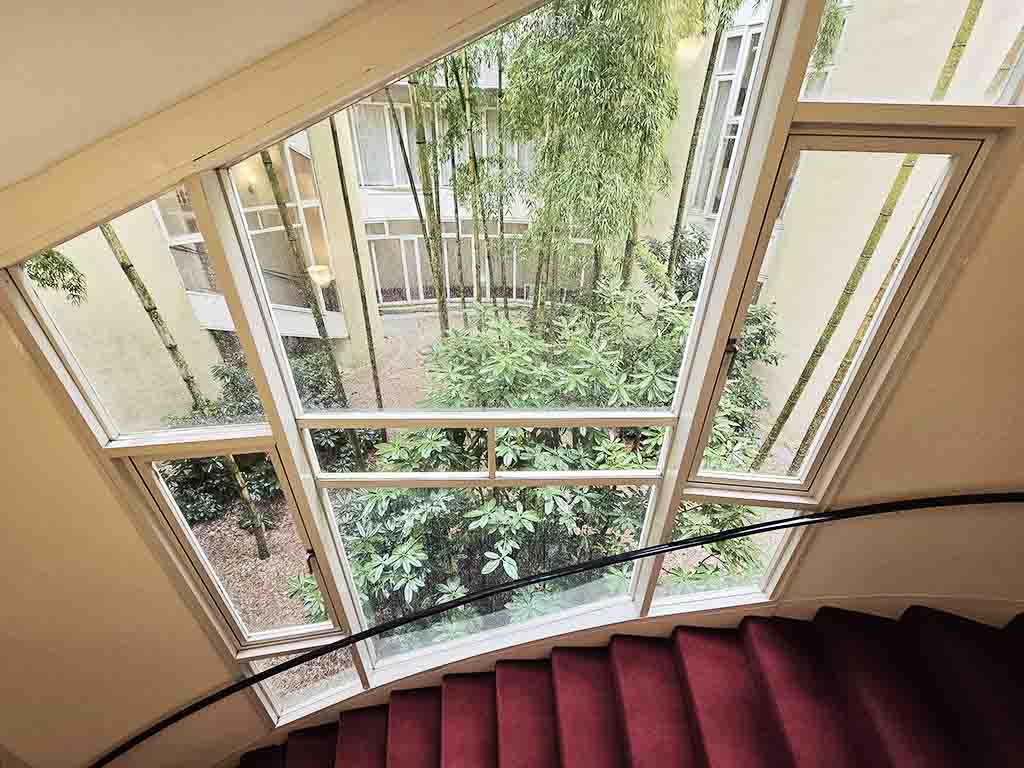
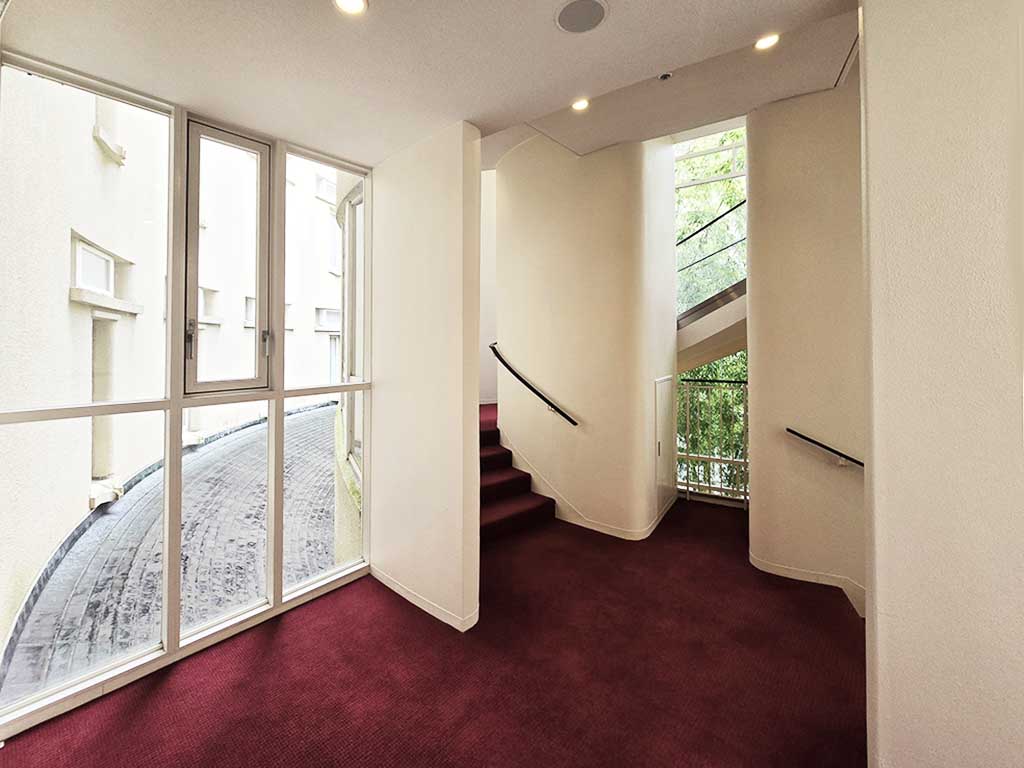
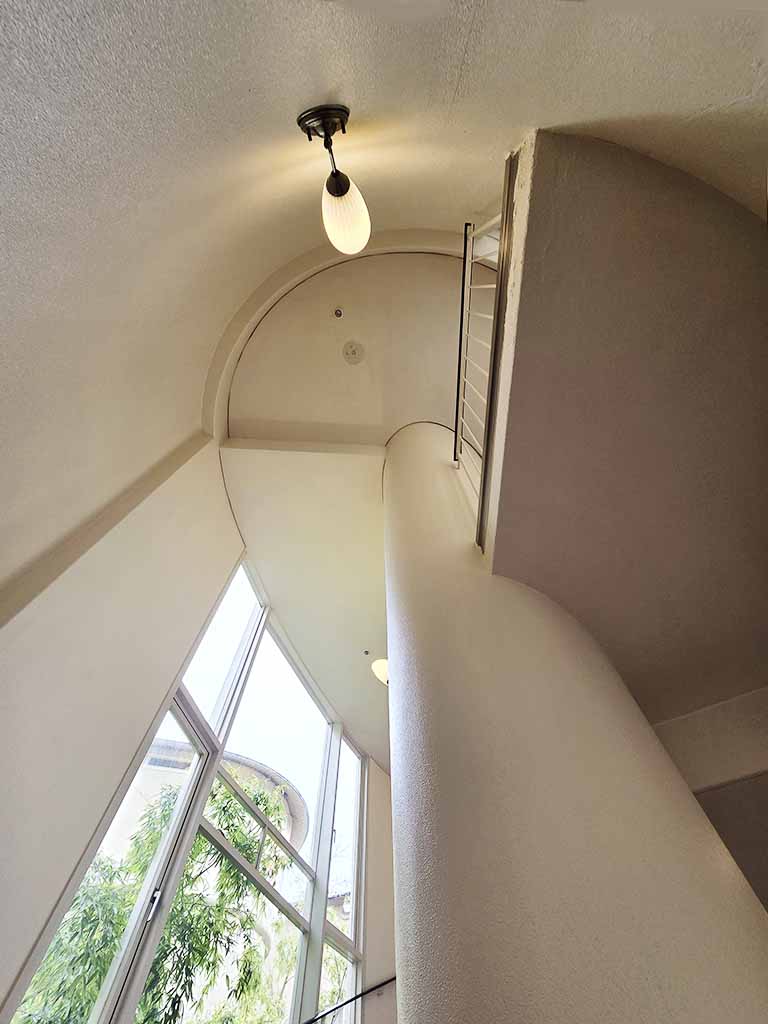
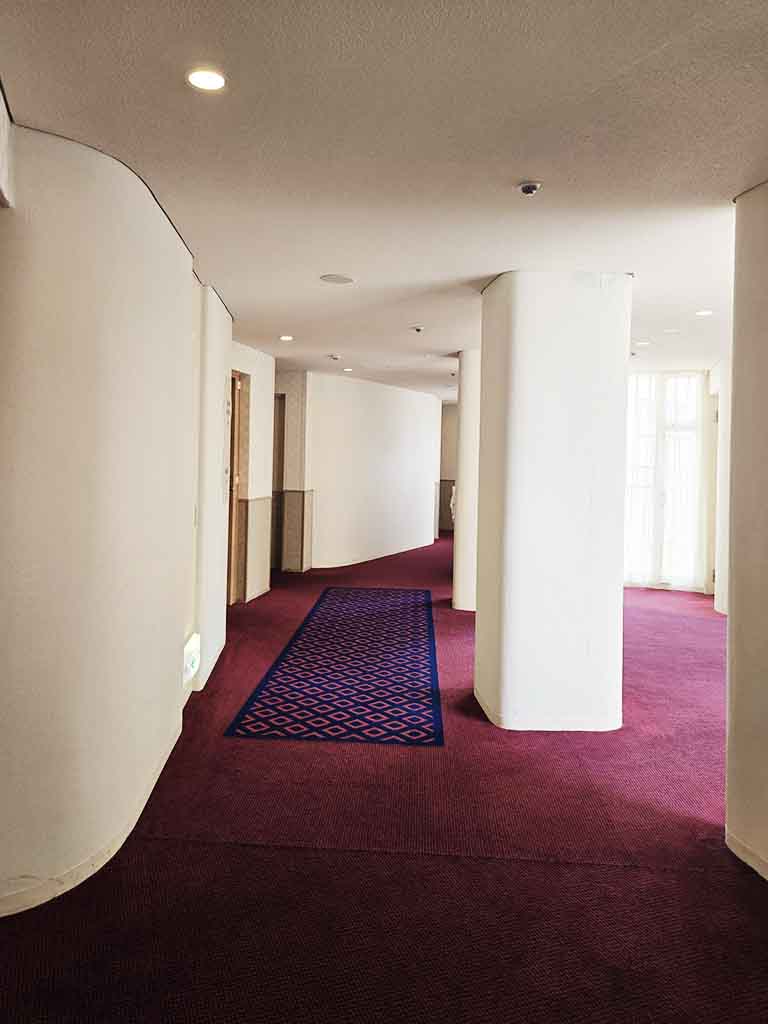
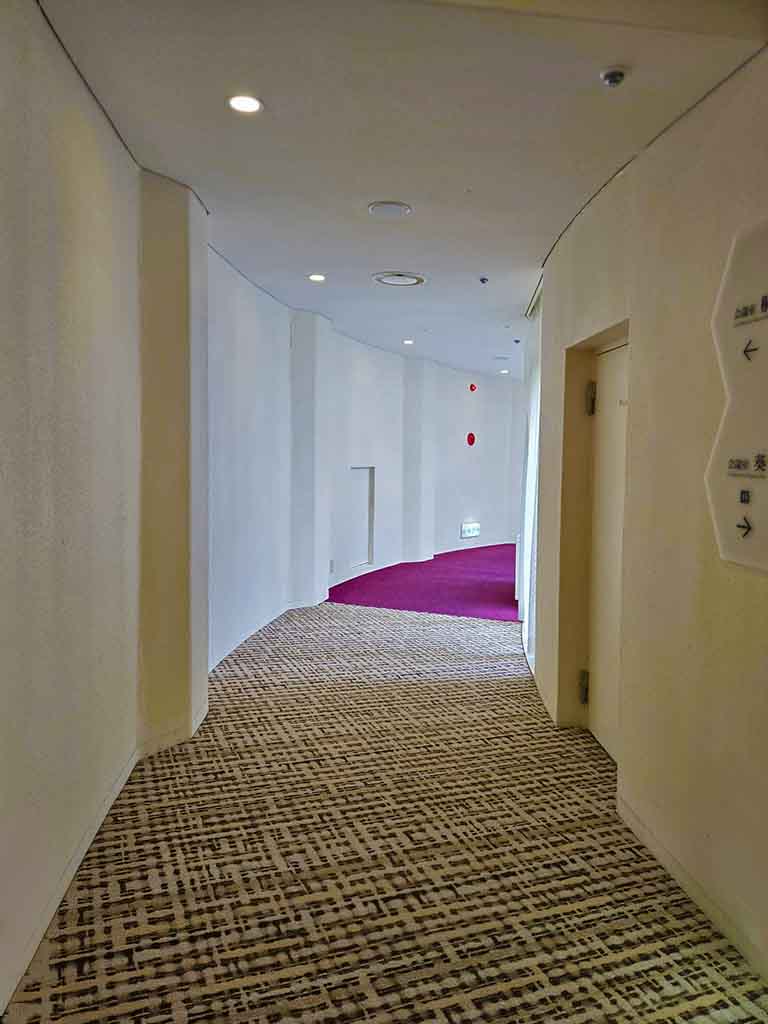
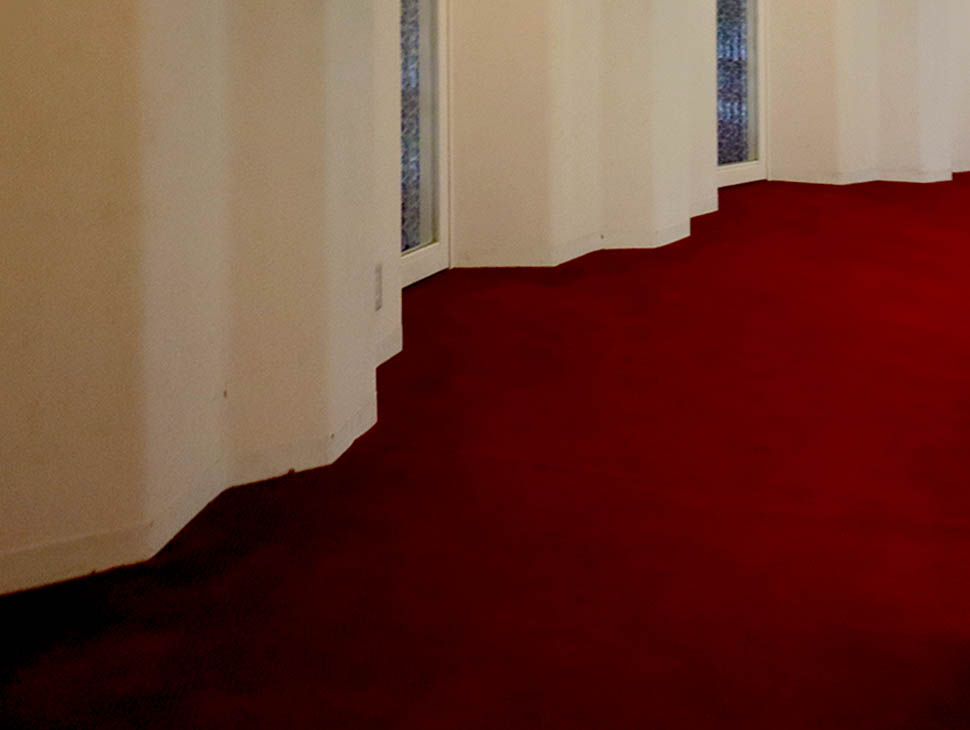
Guest room floors are covered by soft white walls and burgundy carpets. Again, intricately arranged curves defines the style. As tall windows lets ample sunlight come in, the impression changes as time changes.
Leave a Comment