
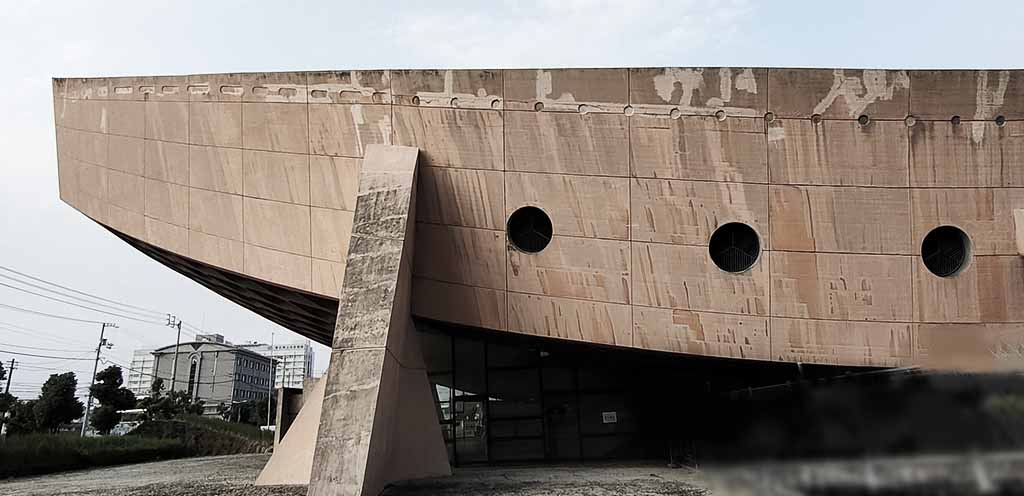
Kengo Tange designed the Kagawa Prefectural Gymnasium in 1964, which was also year Tange’s iconic Yoyogi National Gymnasium for the Tokyo Olympics was completed. As they used the same structural concept, they are often dubbed “the twin” pieces of architecture.
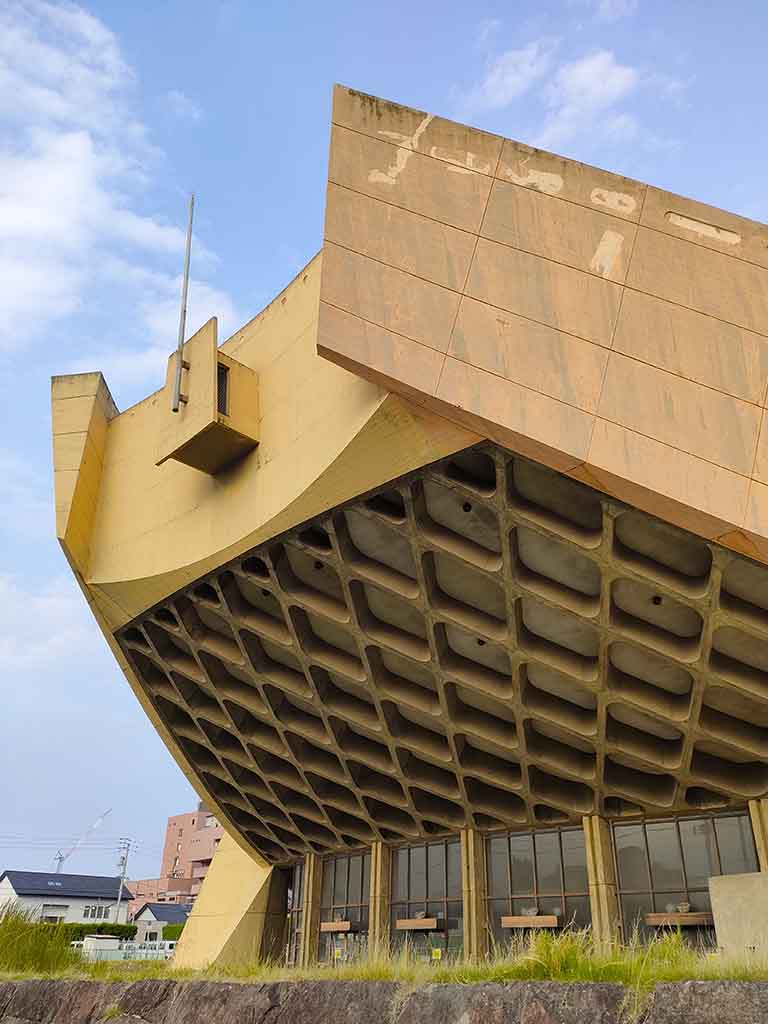
Because of its unique shape, local people called the gym the boat. It was just like the Ingalls Skating Rink at Yale University designed by Eero Saarinen in 1958, which has been called the Yale Whale because of its shape. Both Saarinen and Tange were inspired by Le Corbusier’s “the Palace of Soviets” design concept, and it is believed that Tange had the Yale Whale in mind when he designed the Yoyogi Olympic Gymnasium and Kagawa Prefectural Gym.
The gym faces the Seto Naikai Inland Sea, which has been one of the busiest waterways in Japan to transport goods and people for thousands of years. It is believed that Tange got inspiration from traditional Japanese boats that used sail on the Inland Sea to shape the building.
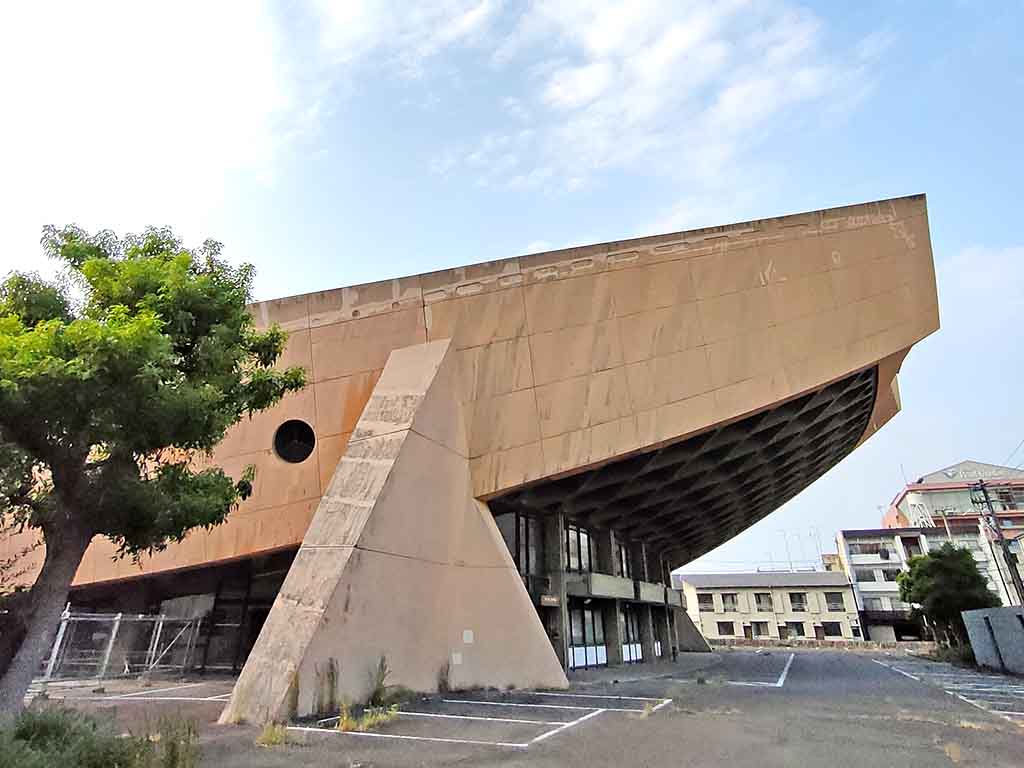
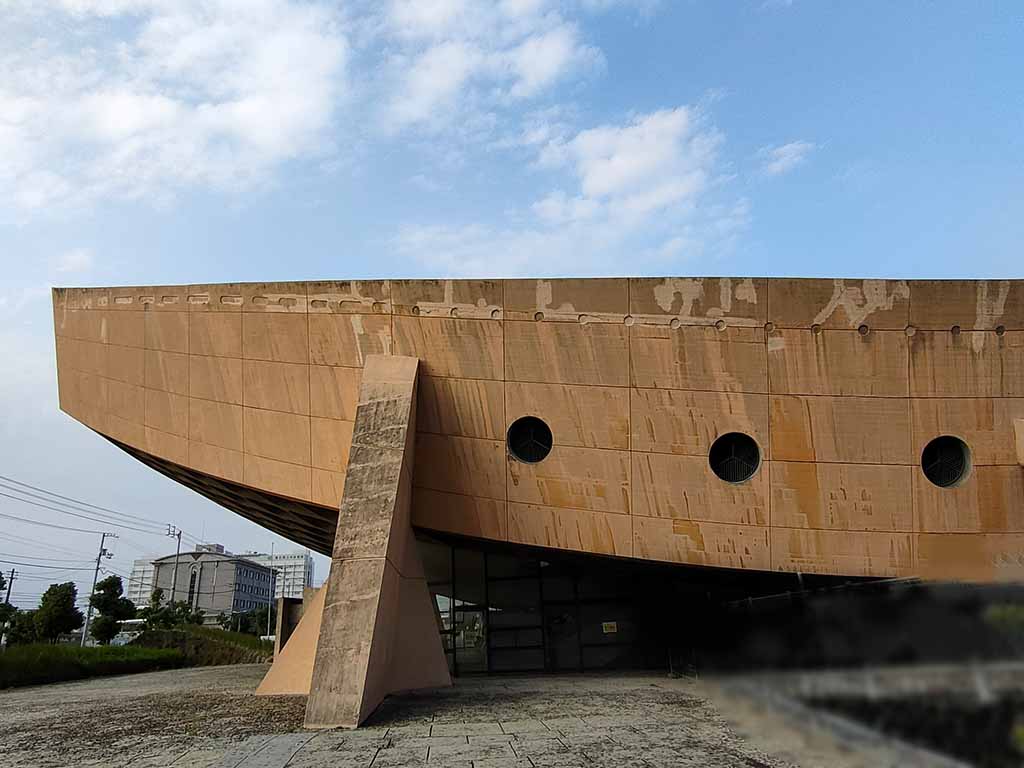
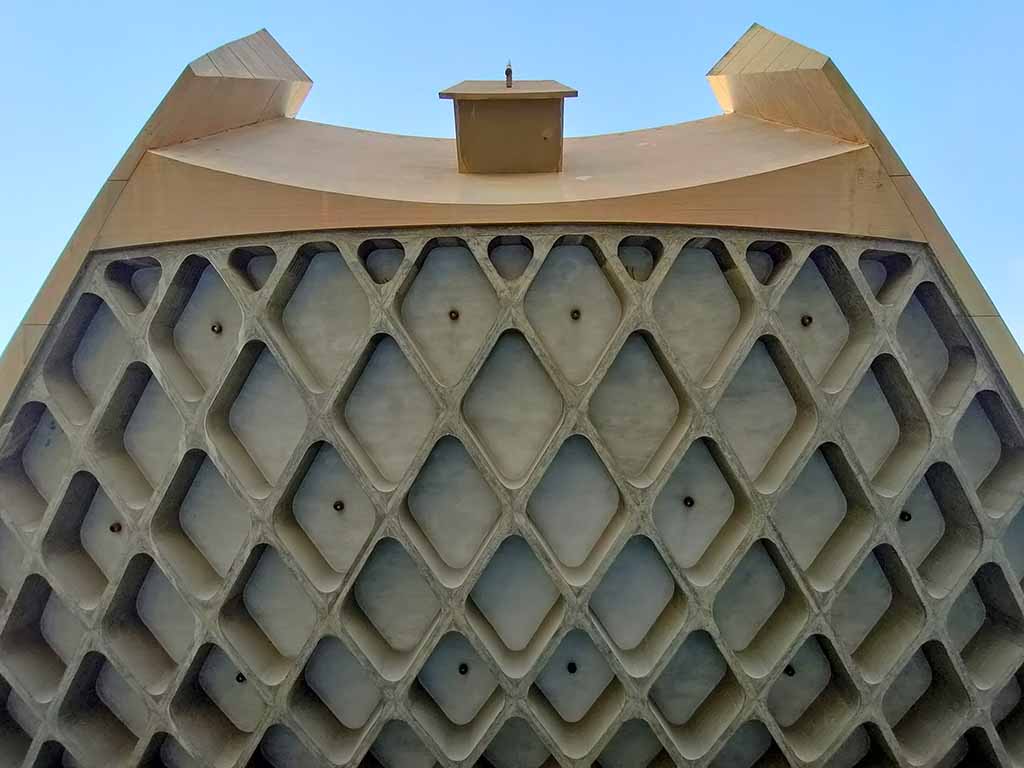
The structure of the gym is defined by a suspended roof supported by central cables. Large beams, that look like the left and right side of a boat, support the tension of the cables. Tange employed one of the most unique “tensile/flexible structural computations.”
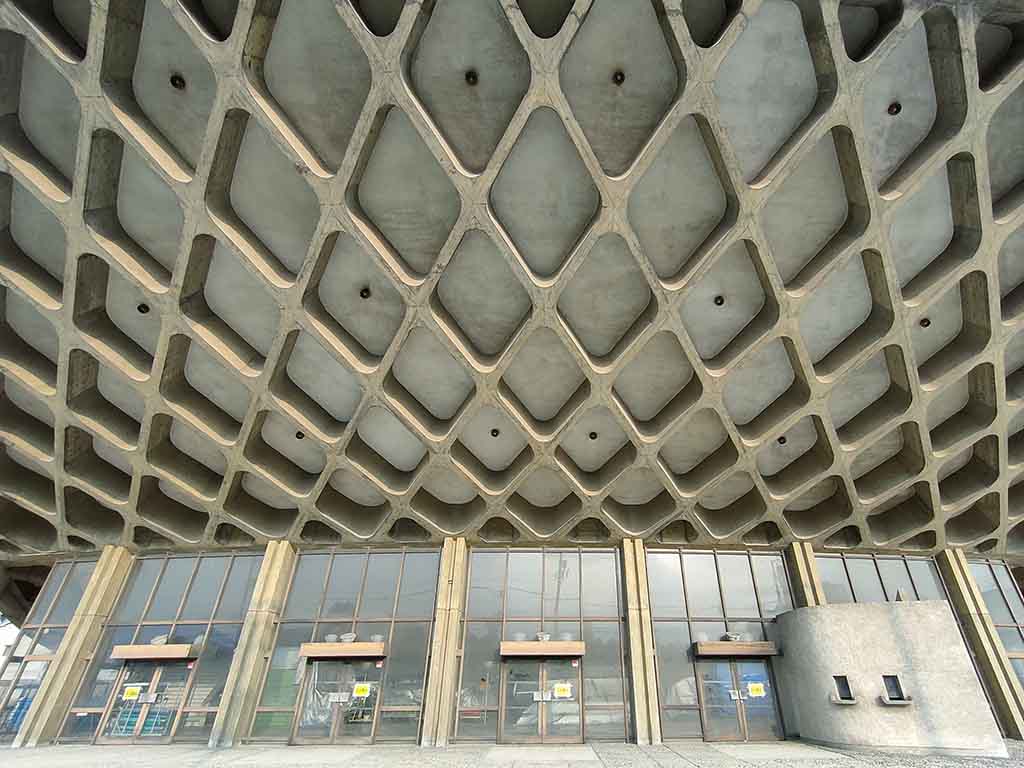
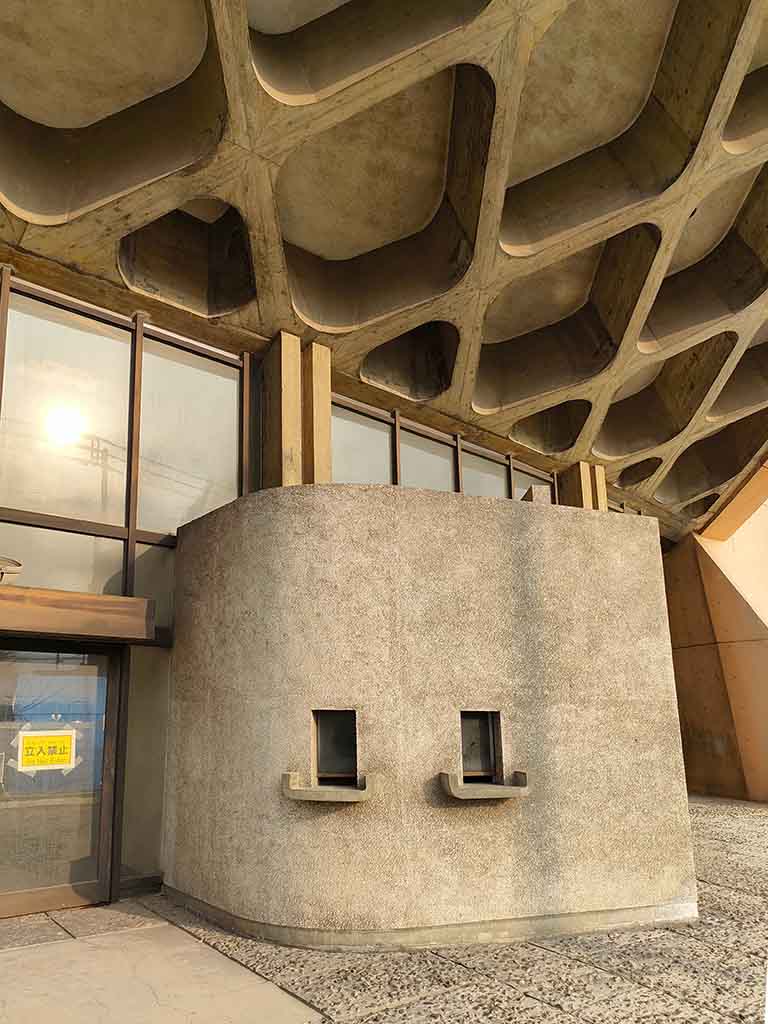
One of the most striking areas of the gym is the entrance. Overhanging roof (about 20 meters long) is supported by waffle slabs. Seats are located above the slabs.
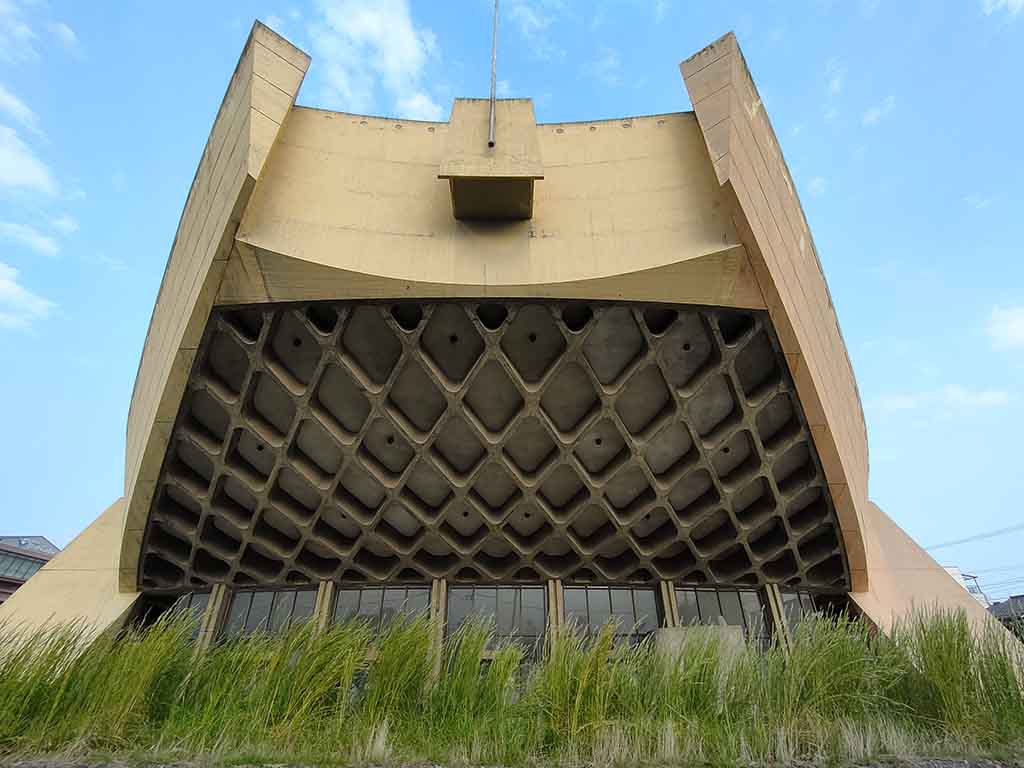
Because of the structure that relies on intricately balanced tension, repair of the building has been facing many challenges. After many attempts to save this historic and iconic monument by one of the most prominent Japanese modern architects, Kagawa prefectural government announced that it would be demolished.




Leave a Comment