
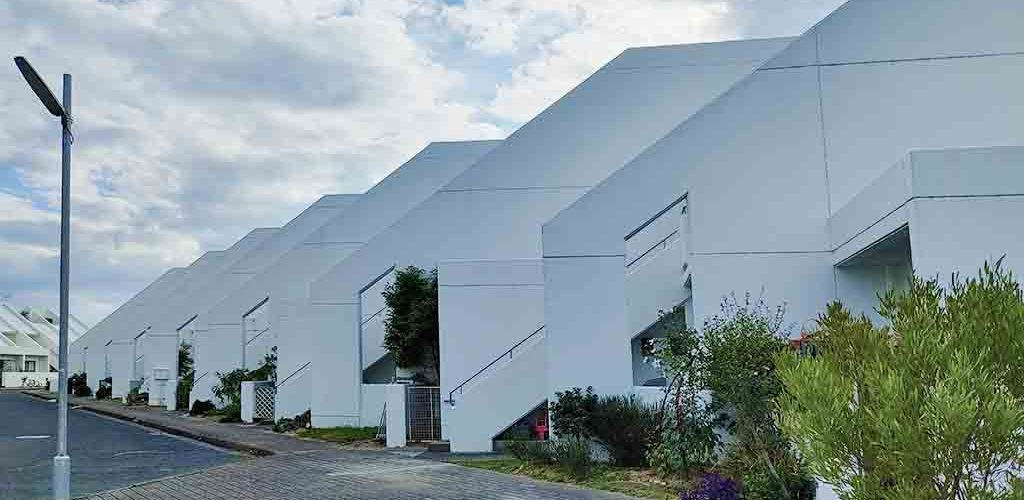
Japanese architect Kenzo Tange was once described as “architect who designed national identity” by Japanese architectural historian Terunobu Fujimori, who co-wrote “Kenzo Tange” with him in 2002. Tange’s iconic works included large monuments that symbolized Japan’s heritage/pride such as the Hiroshima Peace Center and Memorial Park (1954), Kagawa Prefectural Government Office (1958), Yoyogi National Gymnasium for the 1964 Olympics, and the Osaka Expo in 1970. In the meantime, Tange designed only a limited number of residential projects, and the Ichinomiya Danchi Public Housing Complex in Kagawa Prefecture is one of them. It could possibly be the only remaining Tange’s housing project.
The Ichinomiya Danchi Housing Complex was a public project by Kagawa Prefecture, for which Tange designed a series of public facilities, including the prefectural government office and Kagawa Prefectural Gymnasium. Tange’s office developed a plan for the initial phase (1958-1964), and the prefectural government did the project execution because of the limited budget.
Kenzo Tange’s design philosophy
According to Koji Kamiya, who worked for Tange as one the chief architects for the project, Tange divided the area into small blocks, each of which was assigned specific dimension – human-scale, medium or large-scale, depending on its characteristics.
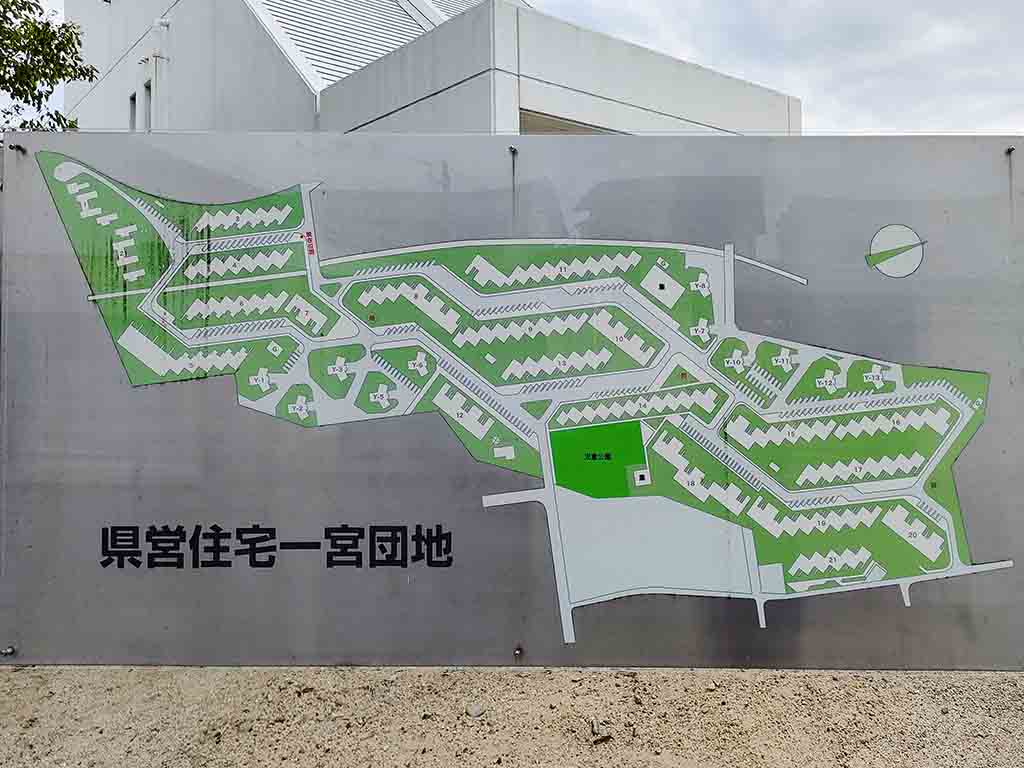
The original complex consisted of 11 five-story reinforced concrete (RC) buildings and groups of single or two-story houses (total 447 units). Today all units except for the RC buildings were renovated, and some of them are still in use.
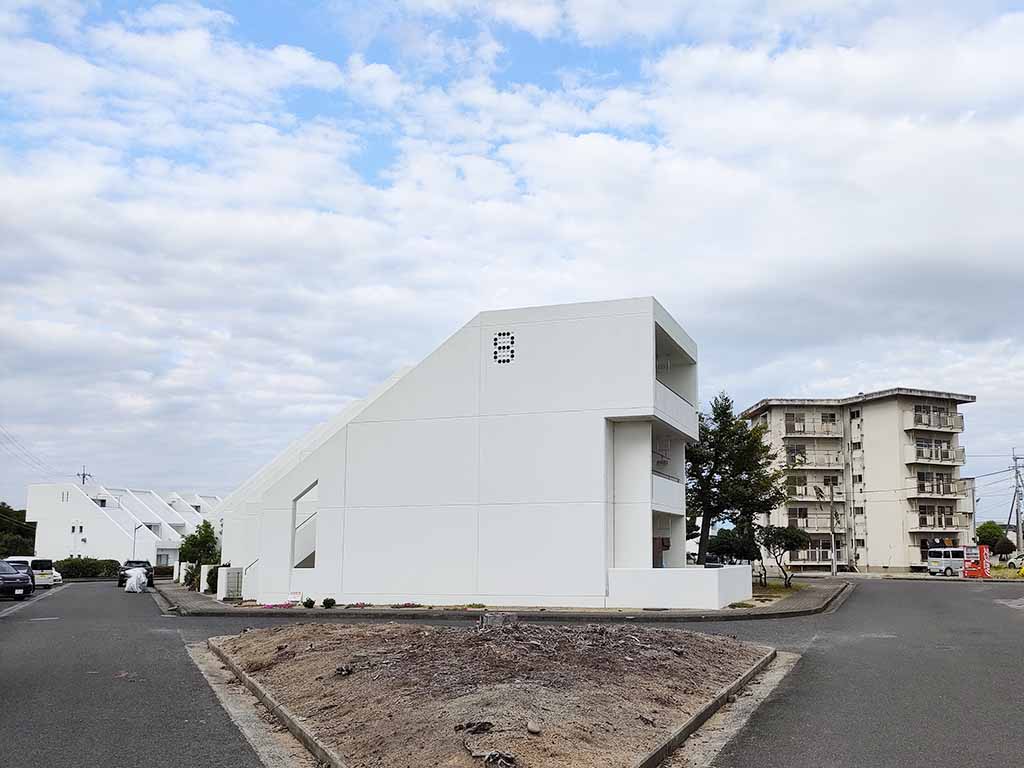
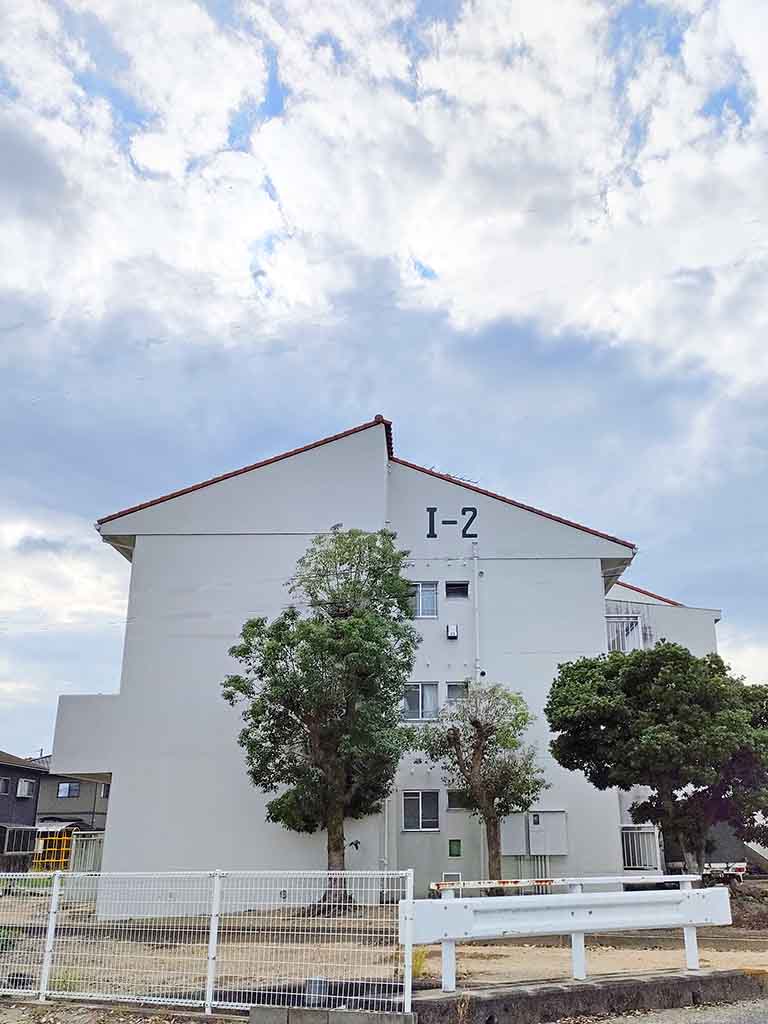
The renovation of two-story units started in 1979, and the project that started in 1981 was based on Tange’s original plan.
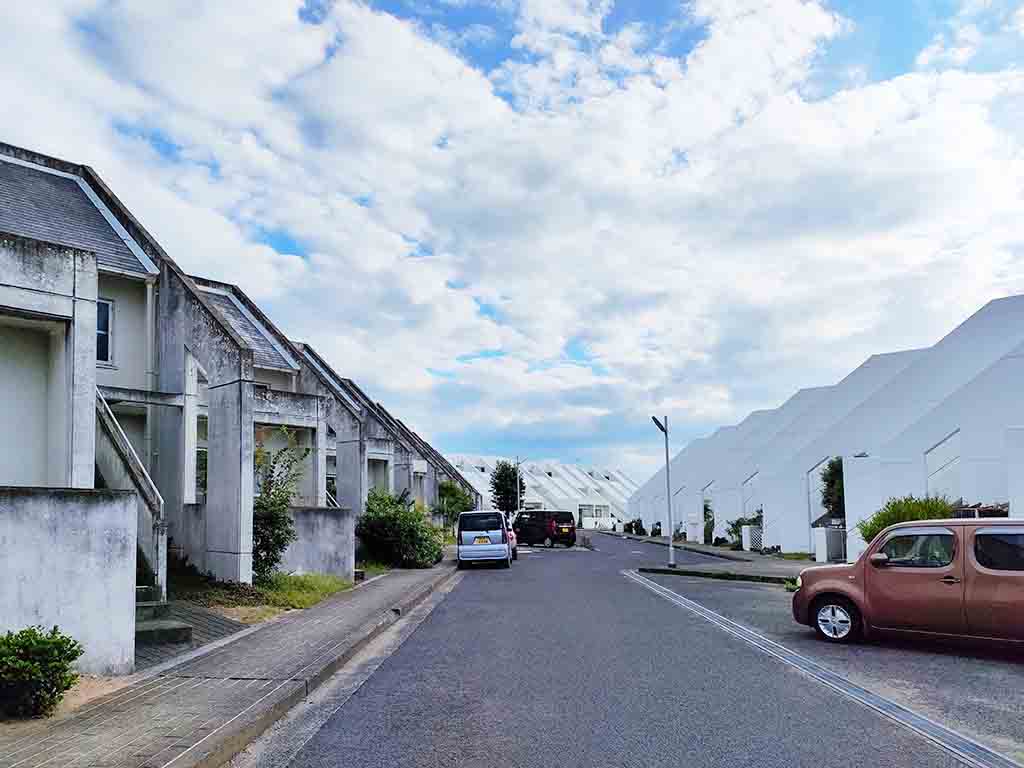
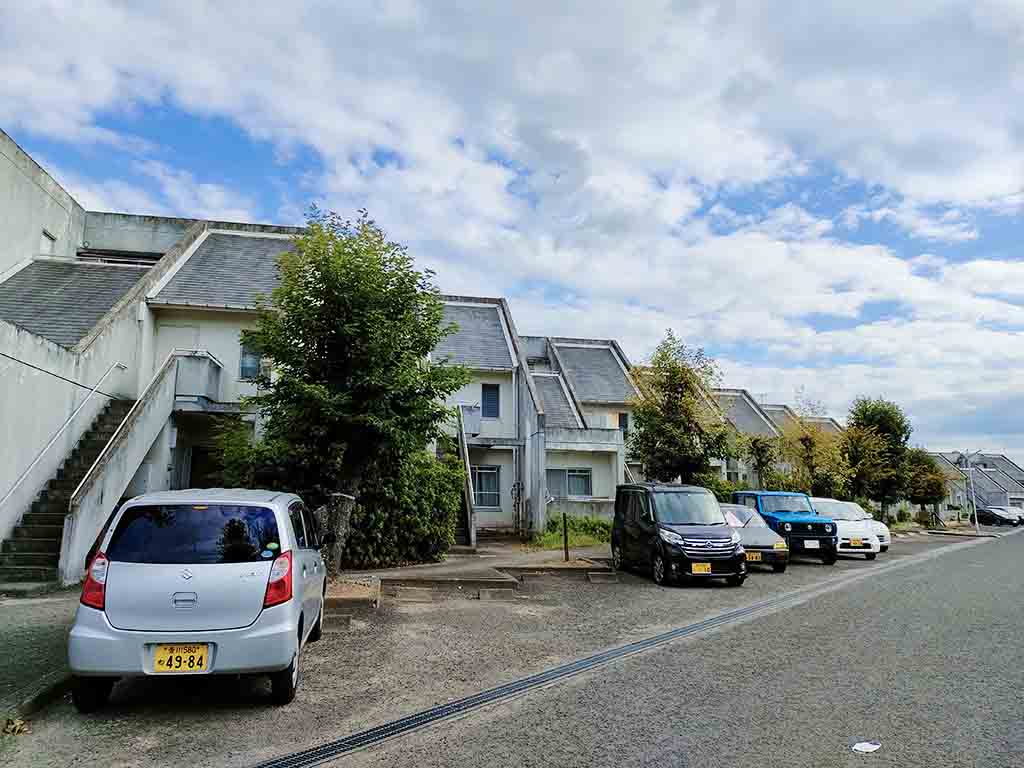
The entrance of each unit is angled at 45 degrees relative to the street to secure privacy.
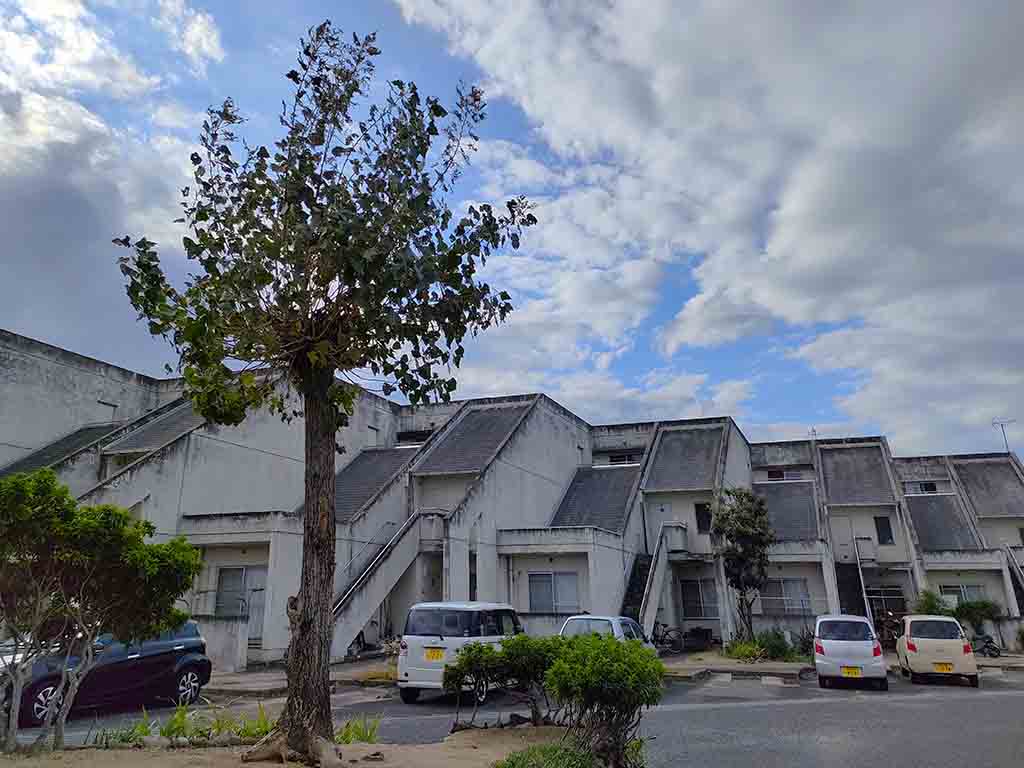
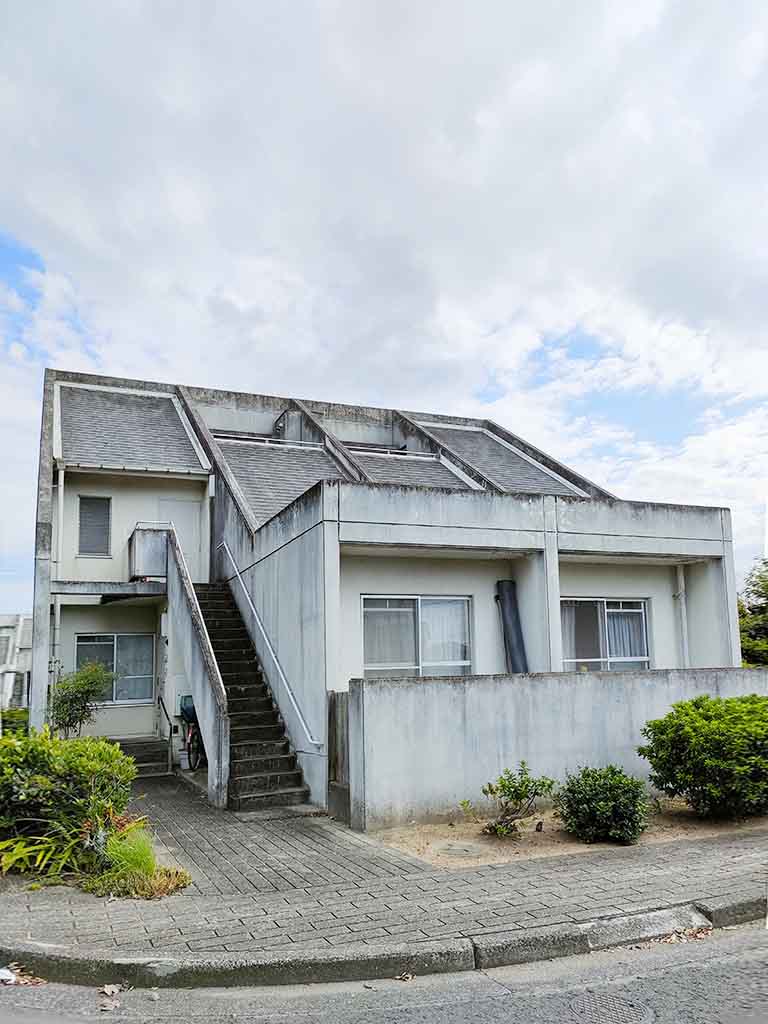
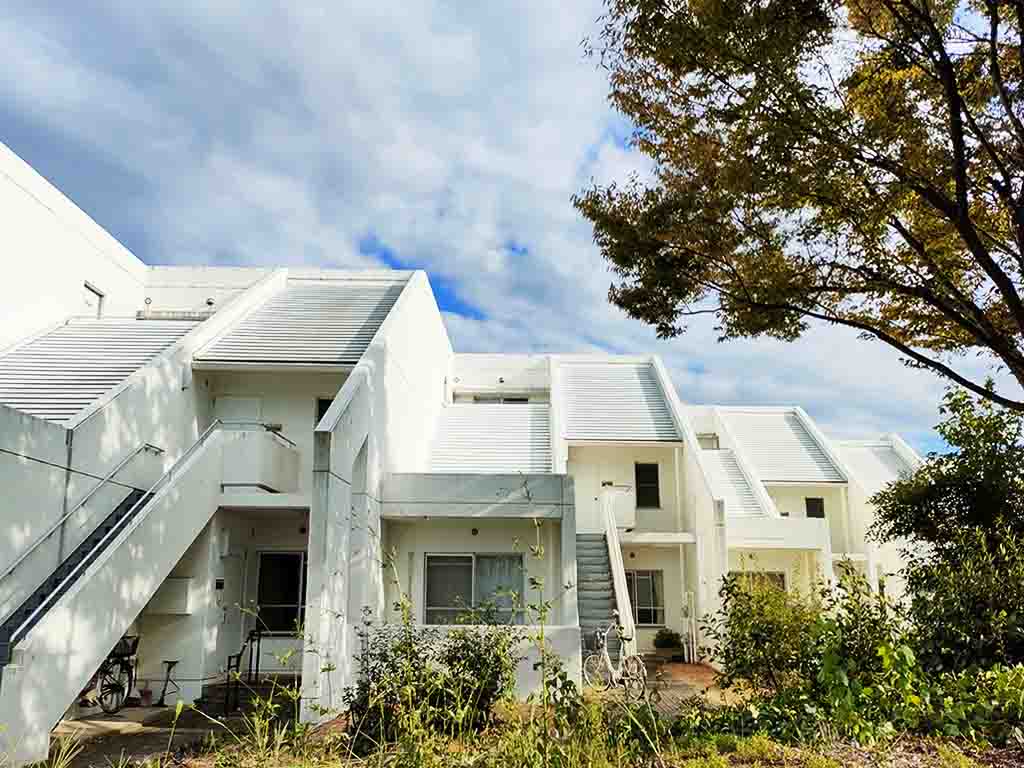
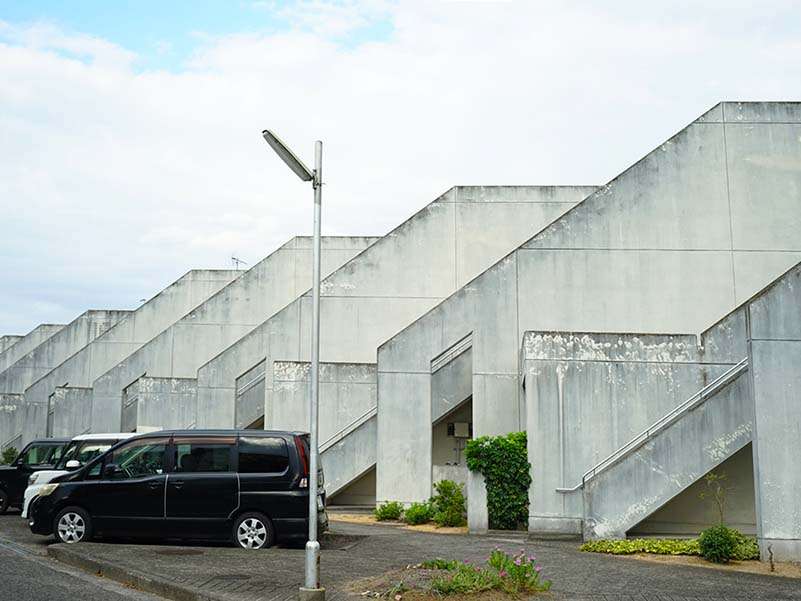
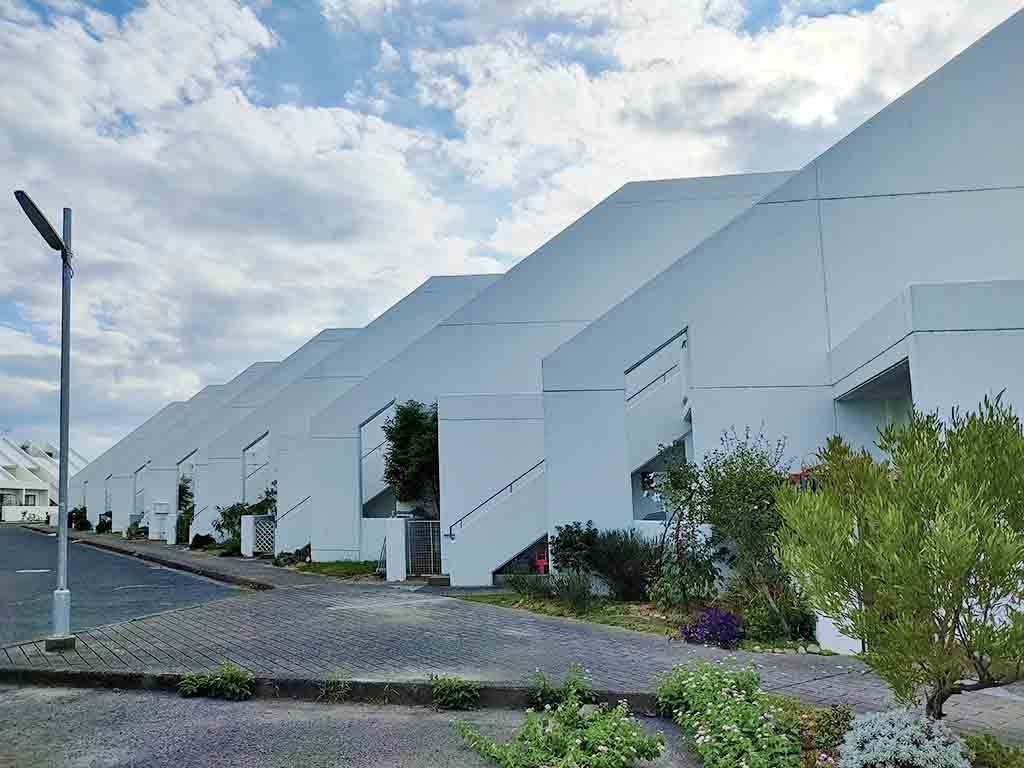
Each unit has a backyard, which leads to the open space so that residents can use playground and strolling lanes without worrying about traffic. It was innovative in the 50’s when Japan was still learning how to design and develop public residential complexes.


Leave a Comment