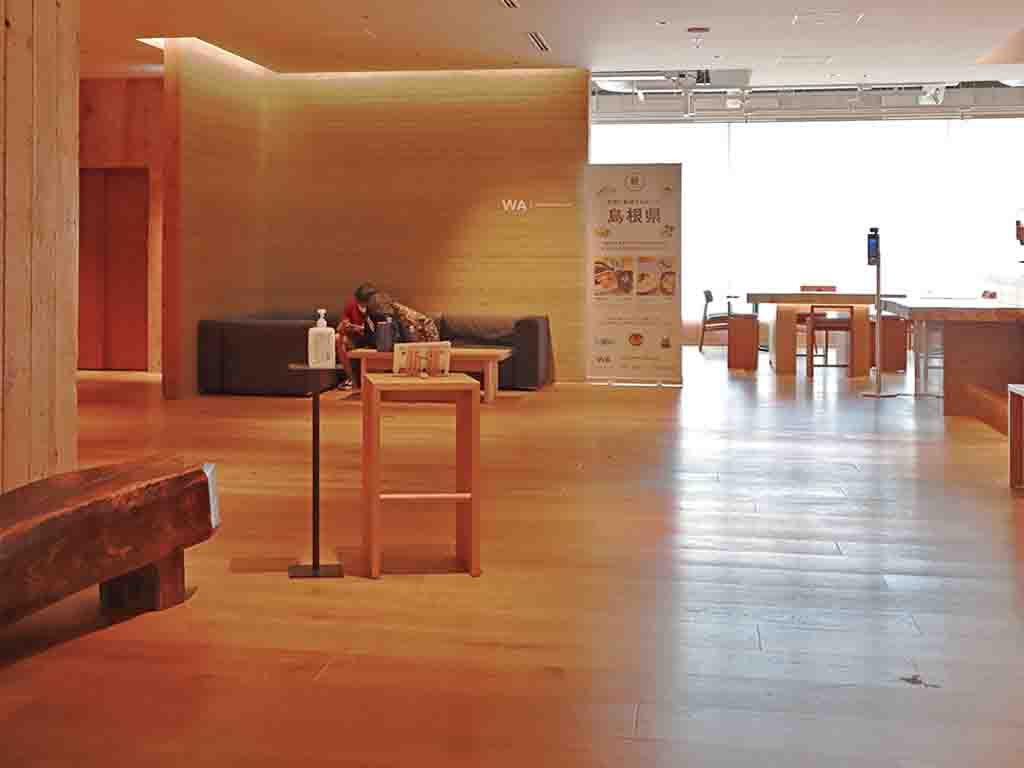
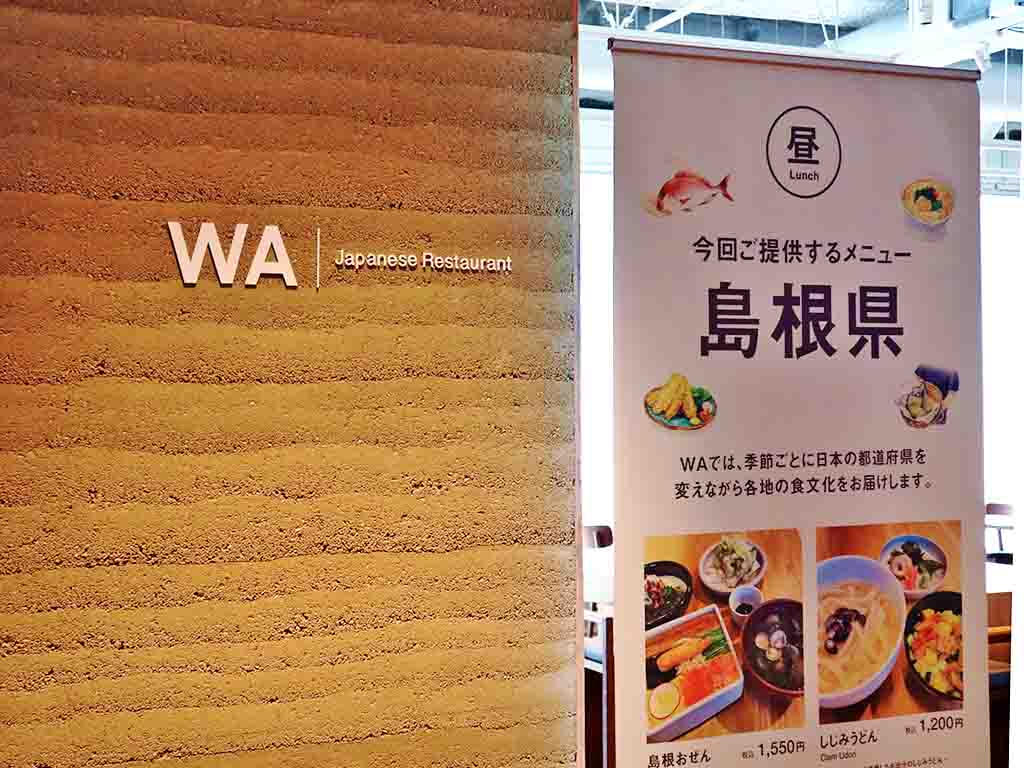
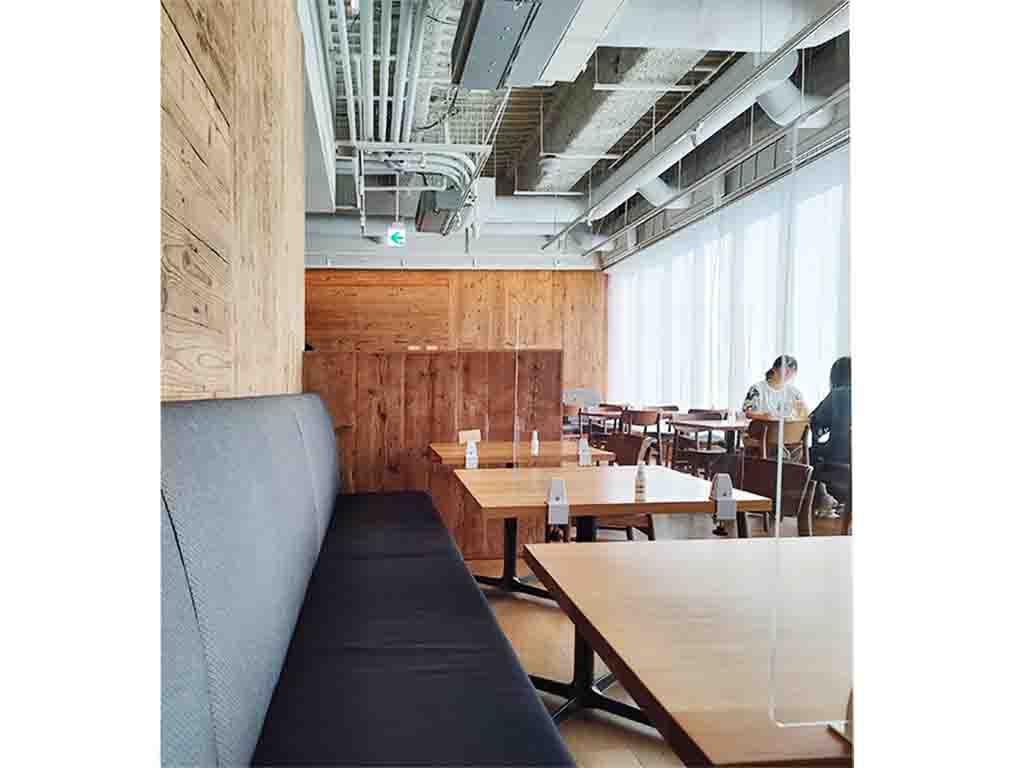
MUJI Hotel Ginza offers a package with breakfast, which is served at “WA” restaurant by the lobby (Check their website for the latest offer.)
Japanese restaurant WA at MUJI Hotel Ginza
“和 (WA)” in Japanese means “Japanese” or “domestic,” as opposed to Western or international style. When Japanese use “WA” for food, it often means traditional and authentic styles, not modern fusion cuisine such as tonkatsu or ramen. As “WA” at MUJI Hotel offers modern meals with traditional authenticity, their food may taste “bland” if you are too used to expecting strong flavors. However, with a little bit of patience, you will find another level of deliciousness at “WA” that may be subtle but profoundly tasty. There is nothing that looks fancy, but each item is prepared with attention using quality ingredients.
MUJI Hotel Japanese-style Breakfast Buffet
The breakfast is buffet style to offer “a little bit of everything” about traditional Japanese breakfast. It it’s not enough, it also includes pastries, curry and sweets. As mentioned, “WA” doesn’t offer stereotypical “Japanese food” popular outside Japan such as teriyaki, tempura, tonkatsu etc. Instead they offer more authentic, home cook-style food starring sea food and vegetables. On my plate below you see katsuo tataki (sheared bonit sashimi usually served with green onions and ginger), some kind of fish piece (maybe saikyo yaki), kinpira gobo (burdock), shirasu (whitebait) and nimono along with rice and miso soup.

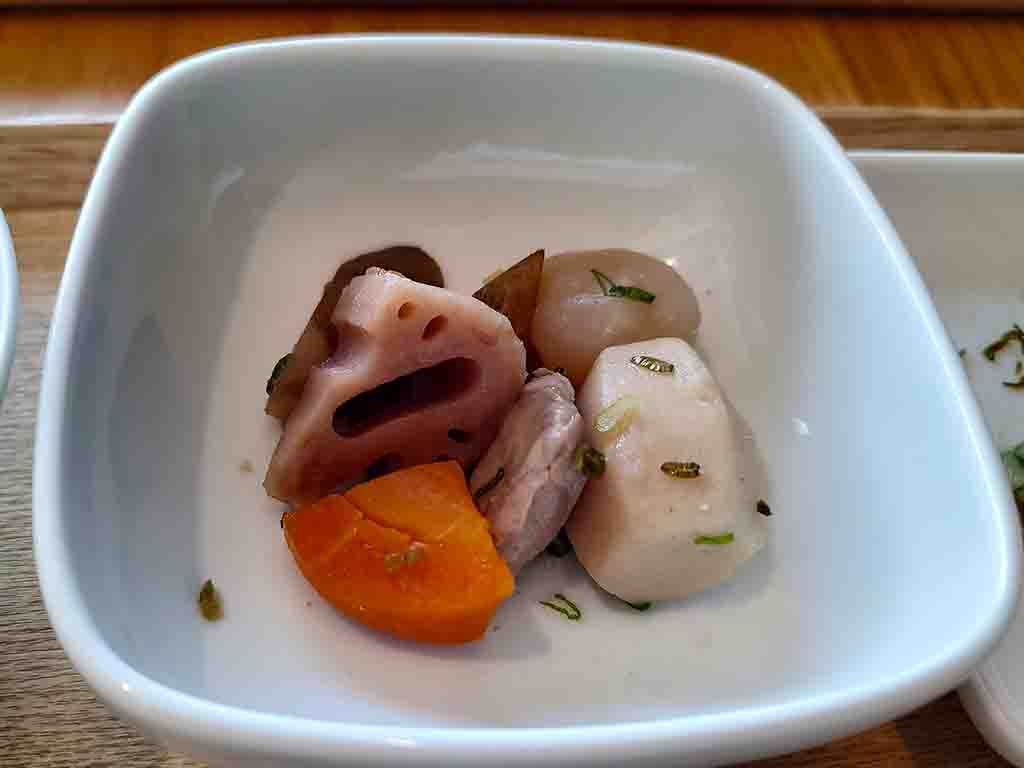
As they are home-style that use ingredients that are not readily available outside Japan, you won’t see them at the Japanese restaurants in your home country. To me. the bomb was nimono, simmered vegetables usually seasoned with dashi broth, soy sauce and a little bit of sake and mirin. In the picture above, you see super traditional Japanese vegetables such as renkon (lotus root), satoimo (taro), gobo (burdock) along with carrots. There’s also konnyaku (made from konnyaku potato). Each vegetable has distinct texture and flavors that may feel weird at the beginning, but they are enjoyable once you are used to it. They were just right – the doneness, the amount of seasoning and the choice of ingredients. Nimono is not a star dish, but it was good.
MUJI Hotel’s Tamagoyaki is One of the Best
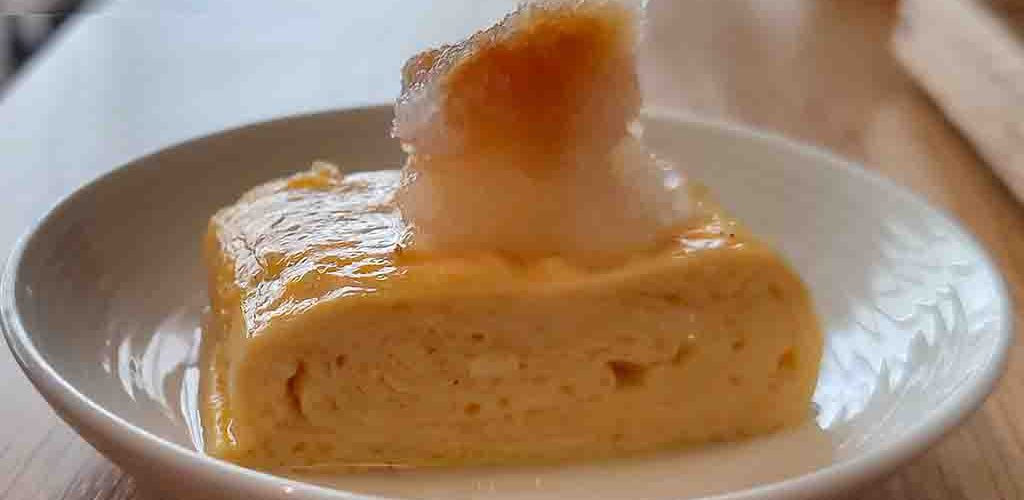
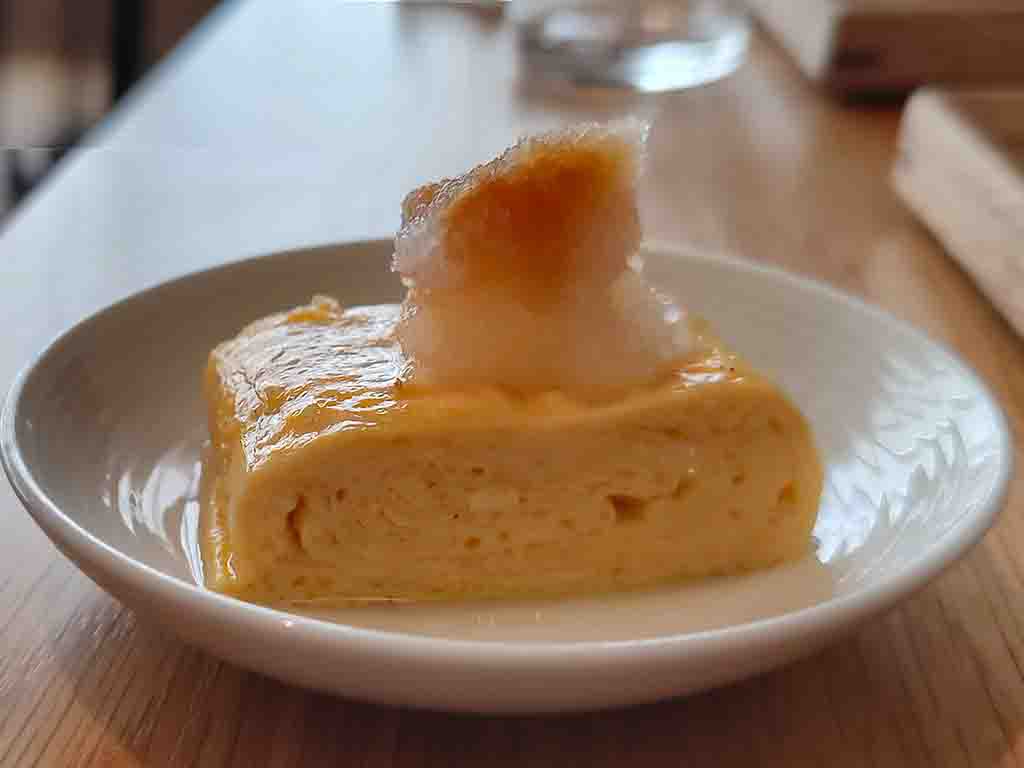
There was another star in this breakfast: tamagoyaki.
It was not part of the buffet menu. A server came to our table and asked: “Would you like some tamagoyaki?” We said sure, not knowing what to expect. Tamagoyaki is a home cooking which takes some skills to make because you need to make a thin egg sheet, roll it and add layers on it by repeating the process. WA’s tamagoyaki was an art of egg cooking and the best: fluffy, smooth, juicy and flavorful. We asked for seconds.
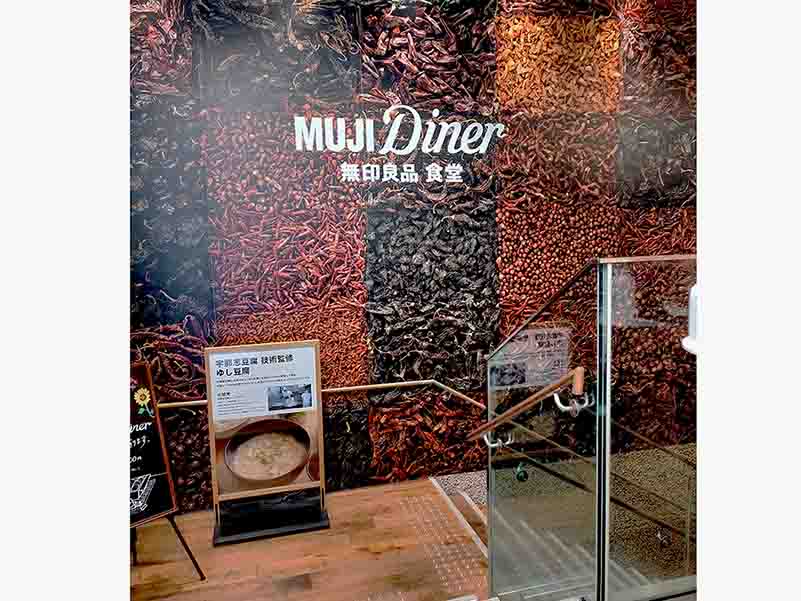
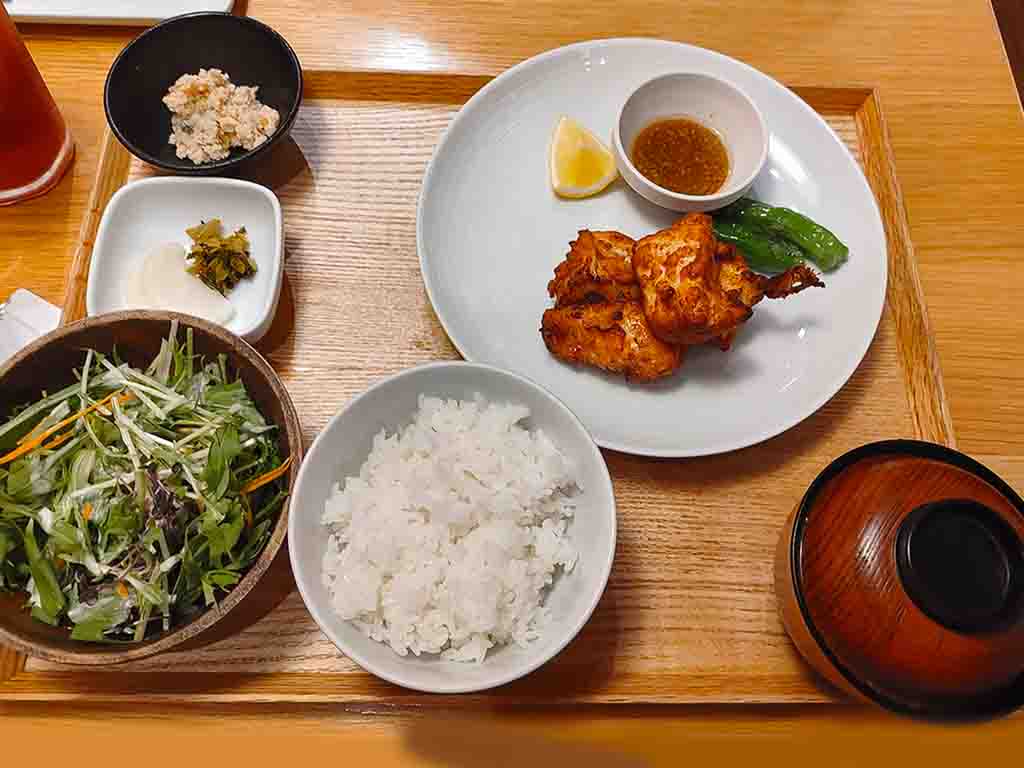
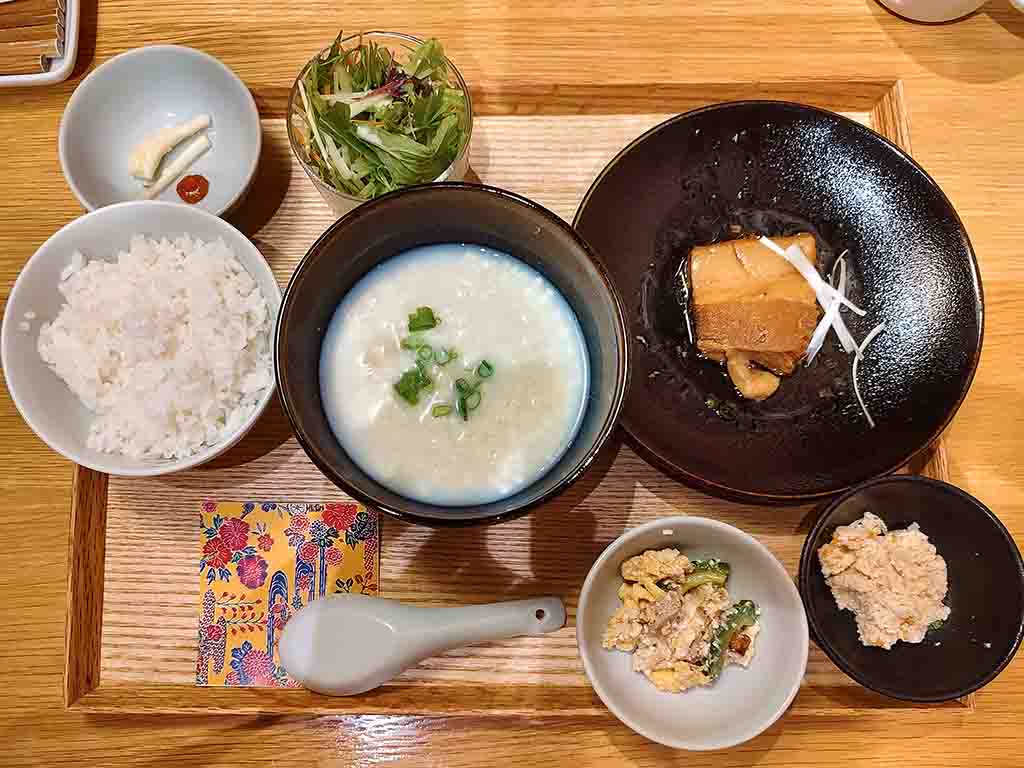
The building that houses MUJI shop and MUJI Hotel has another restaurant: MUJI Diner. Just like “WA” restaurant, MUJI Diner also seems to focus on leveraging natural flavors of authentic ingredients. Here’s karaage lunch plate and Yoshi dofu lunch plate. Notice the portion, which is decent rather than excessive. (Hou can also choose the portion of rice (S, M or L.))

Leave a Comment