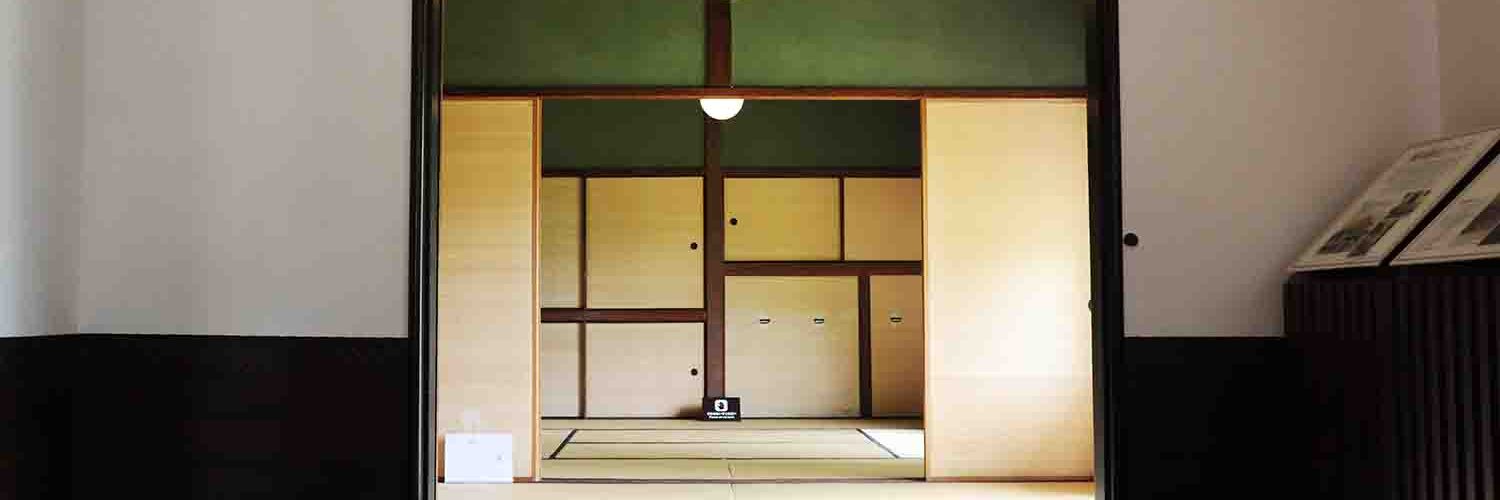
Sutemi Horiguchi (1895-1984) was one of the first Japanese modernist architects who attempted to embrace traditional Japanese style in the context of modernism. It was already obvious in his first work in 1925, which was the house designed for the Koide family. It is still standing in Tokyo Tatemono En (Edo-Tokyo Open Air Architectural Museum) as it was donated by the family who kept living in the house till 1996.
About Sutemi Horiguchi
Sutemi Horiguchi was born into a rich family in Gifu prefecture. As he grew up surrounded by traditional arts, he practiced waka (traditional Japanese poems), and had deep knowledge on sado (tea ceremony) – the ultimate form of wabi sabi art. He studied architecture at Tokyo University where he became inspired by high aesthetic standards of European modern architecture, especially expressionism, the Amsterdam school and De Stijl. When Horiguchi was in his 20’s, Japanese architects’ community was dominated by engineering-based approach (e.g. achieving earthquake-proof structure). To counter their arguments that functionality should determine the optimal design, he founded the Japanese version of Secessionist group in 1920, which was one of the first architectural movements in Japan. Horiguchi and his fellow Secessionist members maintained that architecture must be a form of art. Aesthetics was always Horiguchi’s priority.
Horiguch, wabi sabi and “wooden modernism”
Horiguchi’s aesthetic standard found common grounds in wabi sabi, a 600 year-old traditional Japanese aesthetics and European modernism such as De Stijl and Bauhaus. In a very simplified way, both wabi sabi and European modernism attempted to reduce what constitutes our world to essential elements only by removing excess frills. They leveraged clean lines, circles, simple geometry, and a small number of basic colors. There was also similarities as both pursued a bucolic details. The Dutch architecture in early 20’s attempted to re-introduce elements such as thatched roof as part of the modern design, and wabi sabi was all about using natural and bucolic materials. As Horiguchi practiced sado, he was familiar with chashitsu (tea room or tea hut used for sado), which was almost analogous to wabi sabi architecture. Horiguchi and fellow architects pursued to blend in the gist of traditional Japanese architecture into European modernism is now called “木造モダニズム (wooden modernism).” They explored to leverage traditional Japanese architectural elements such as exposed wooden beams and columns instead of steel and concrete. The Koide House is one of the prime examples of wooden modernism.
The Koide House
As mentioned earlier, Horiguchi traveled to Europe and liked the Netherlands. He interacted with Dutch artists and architects including the members of De Stijl. You can see their influence in the Koide House.
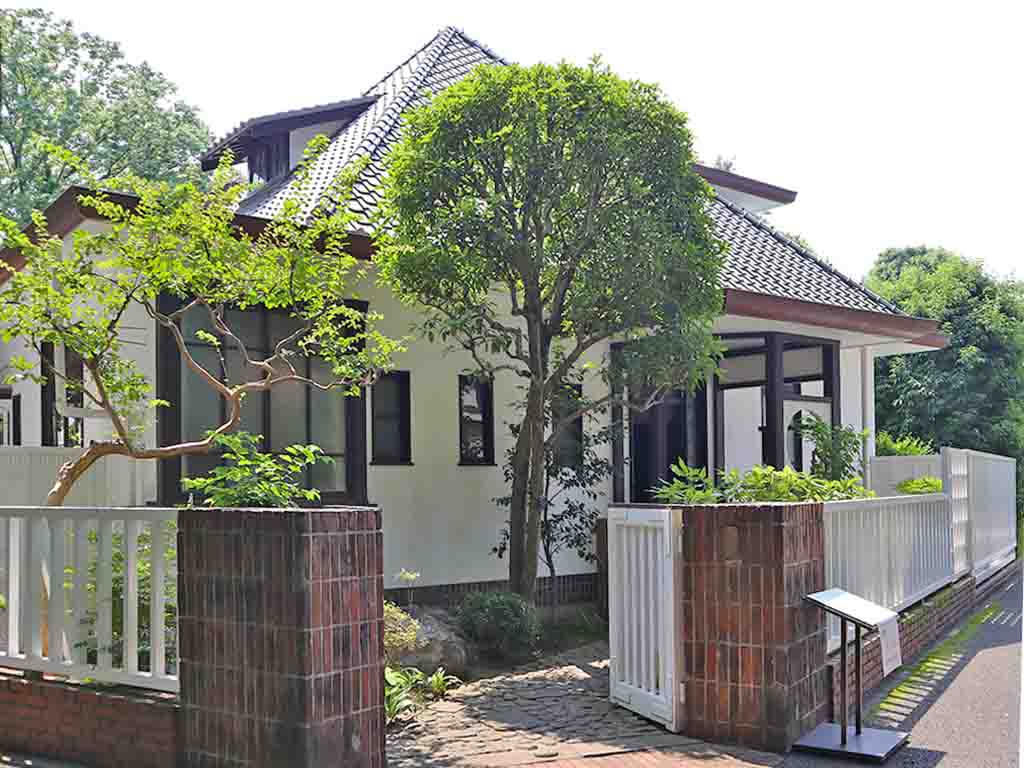
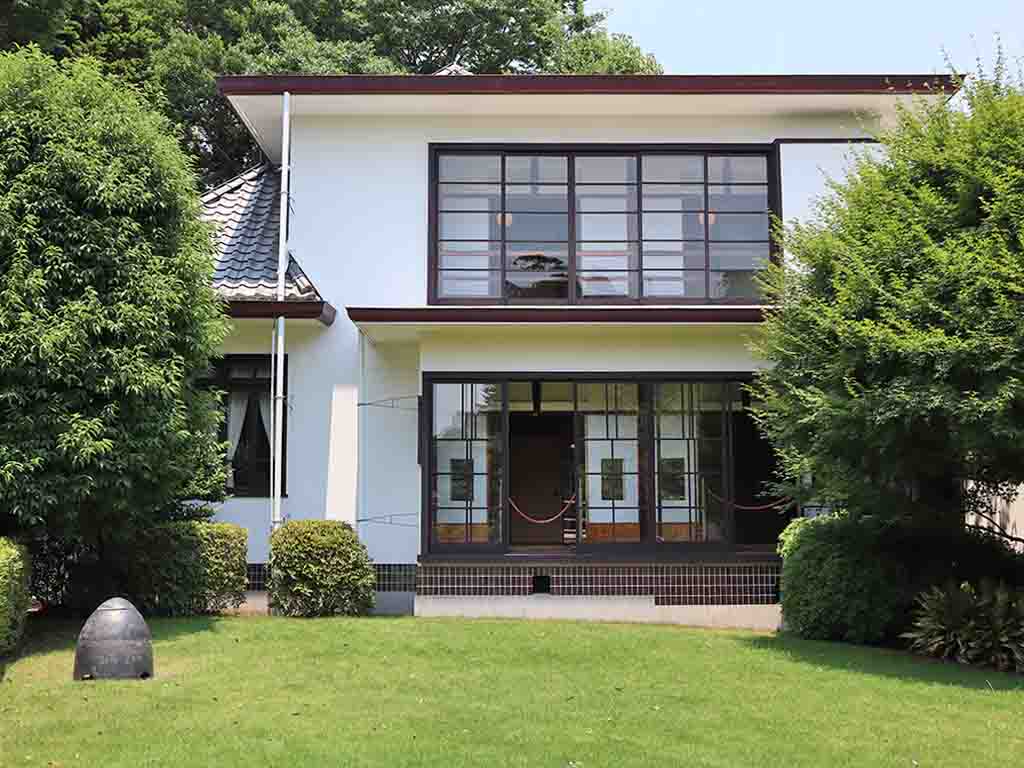
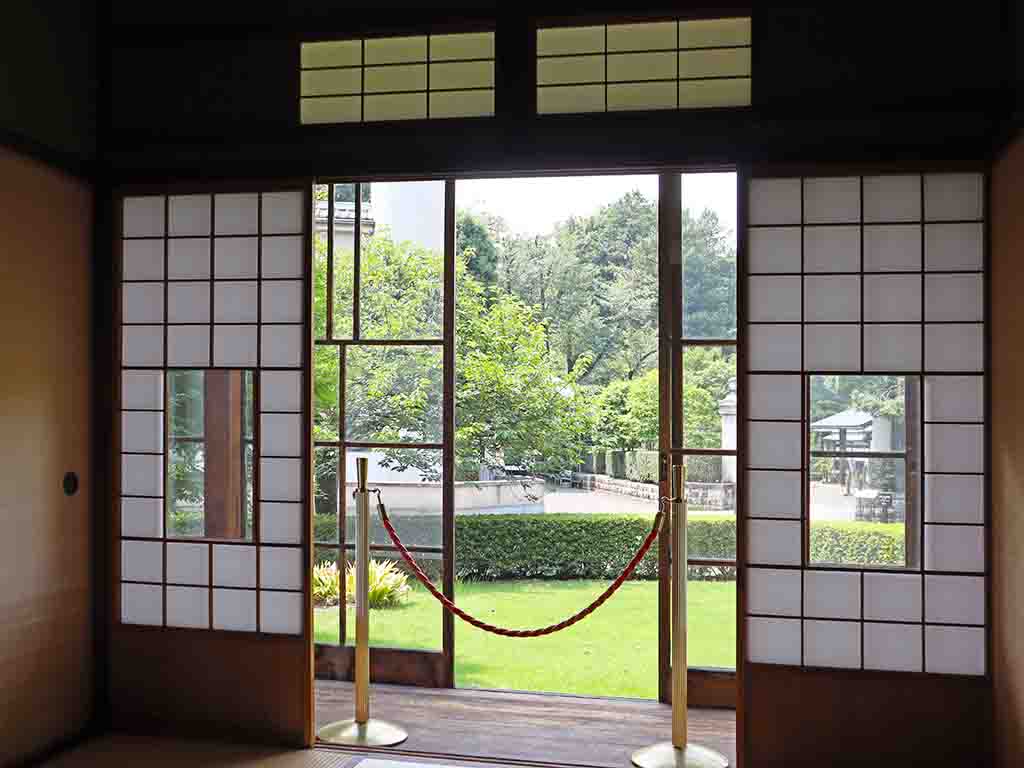
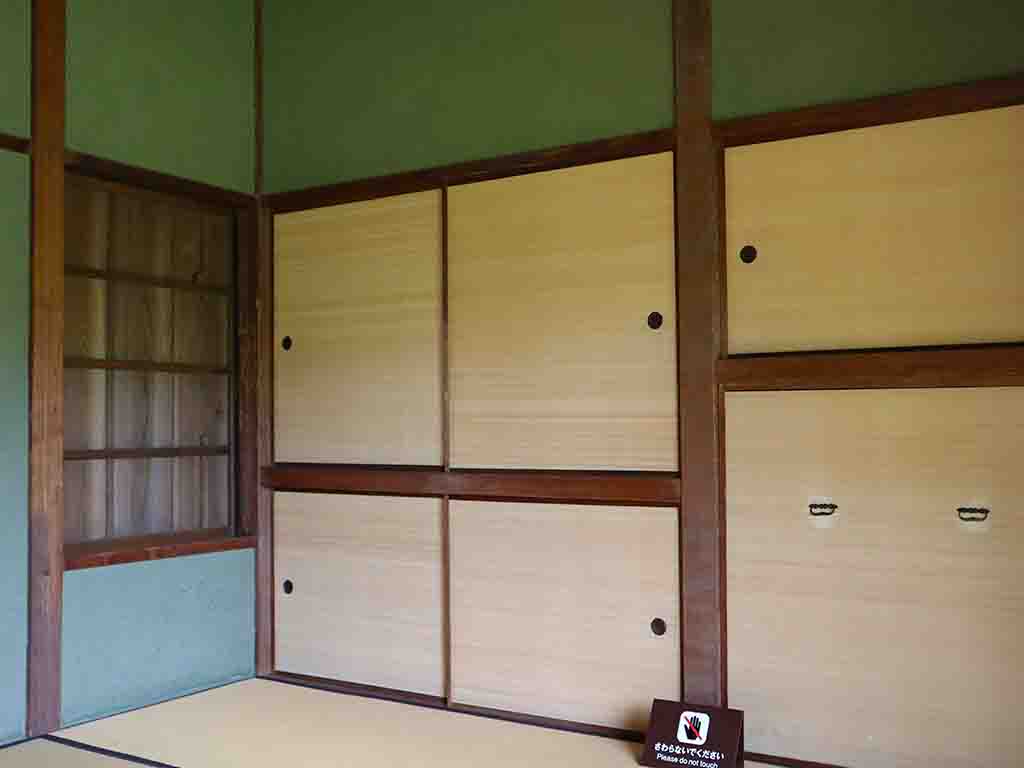
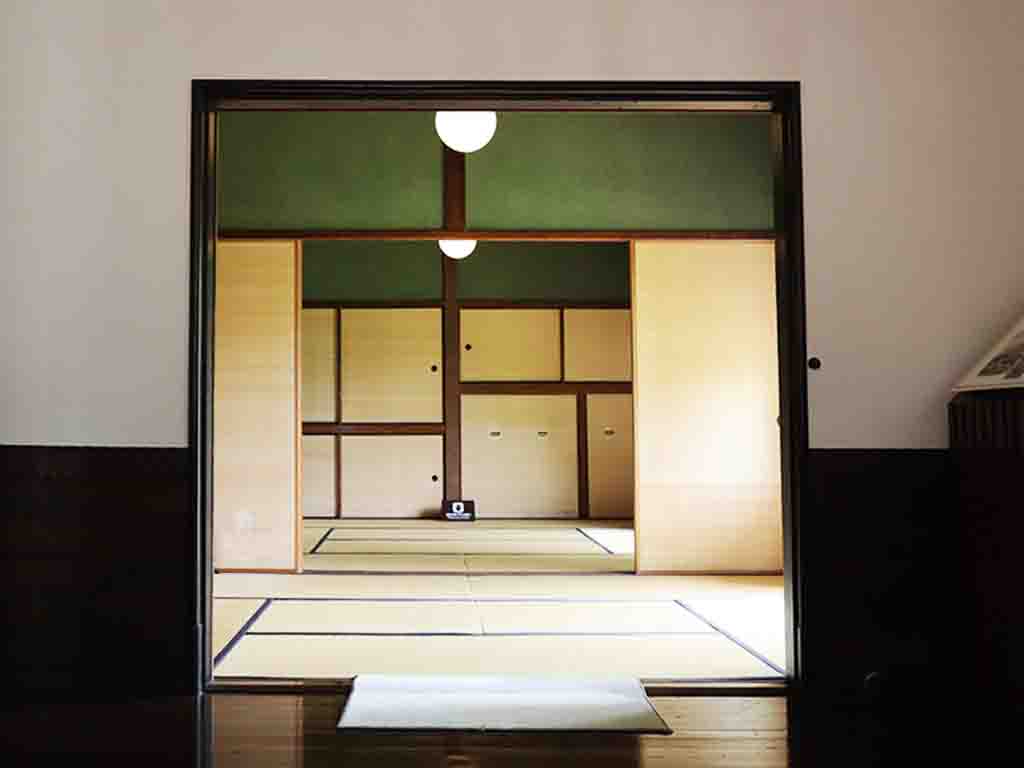
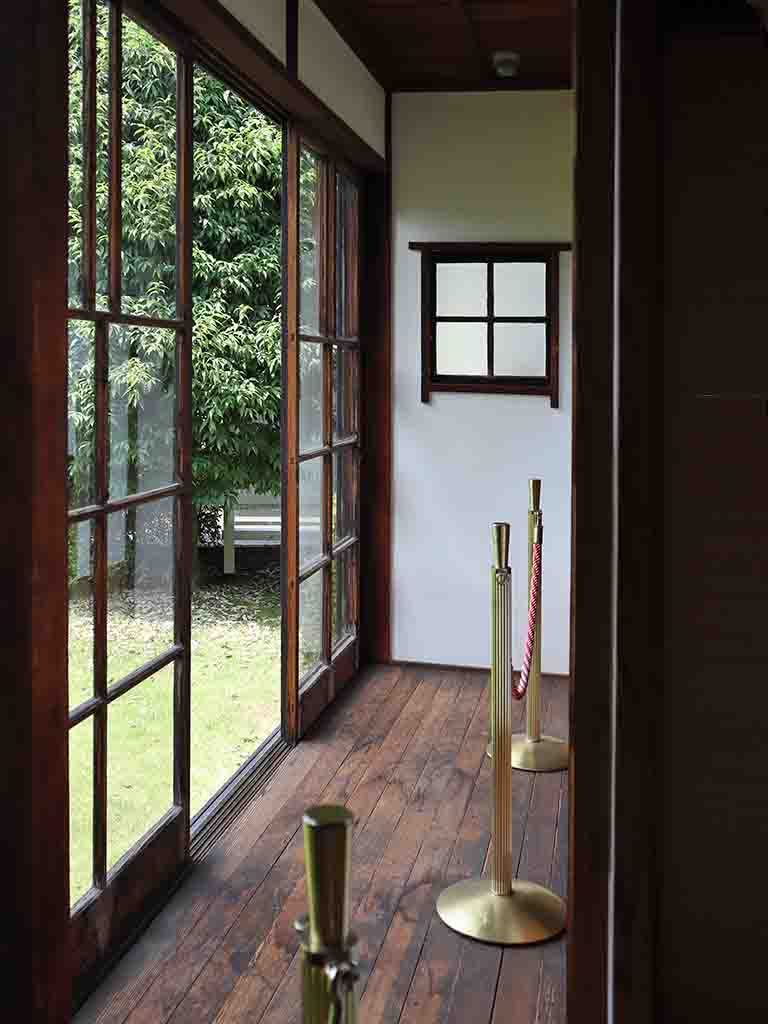
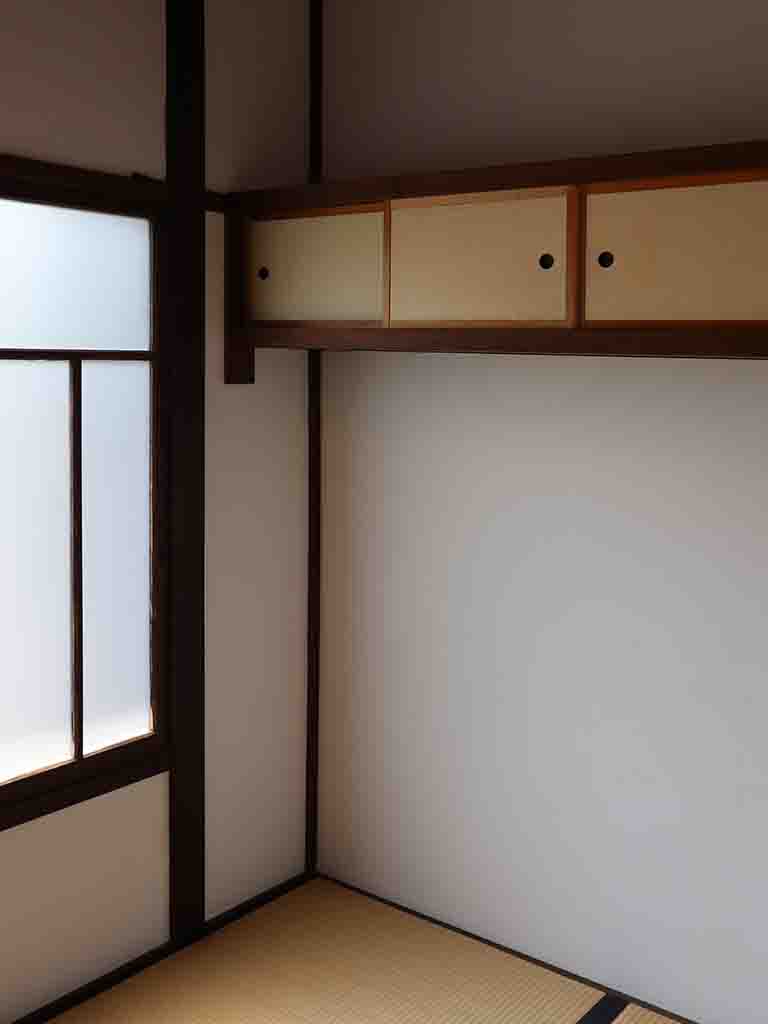
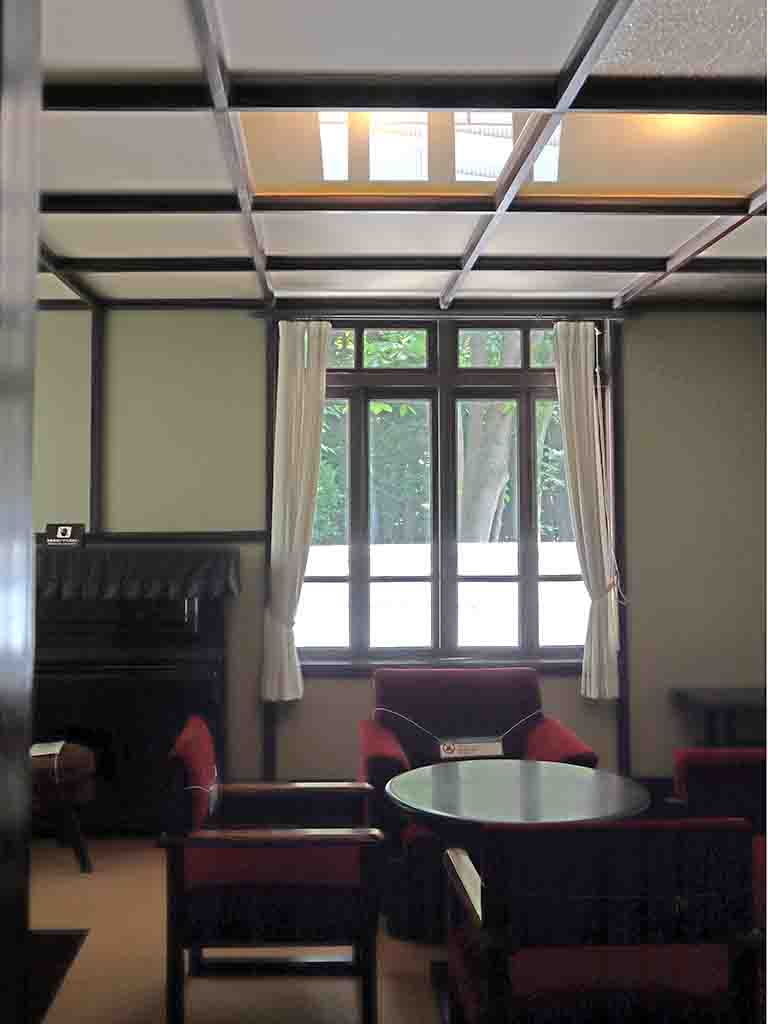
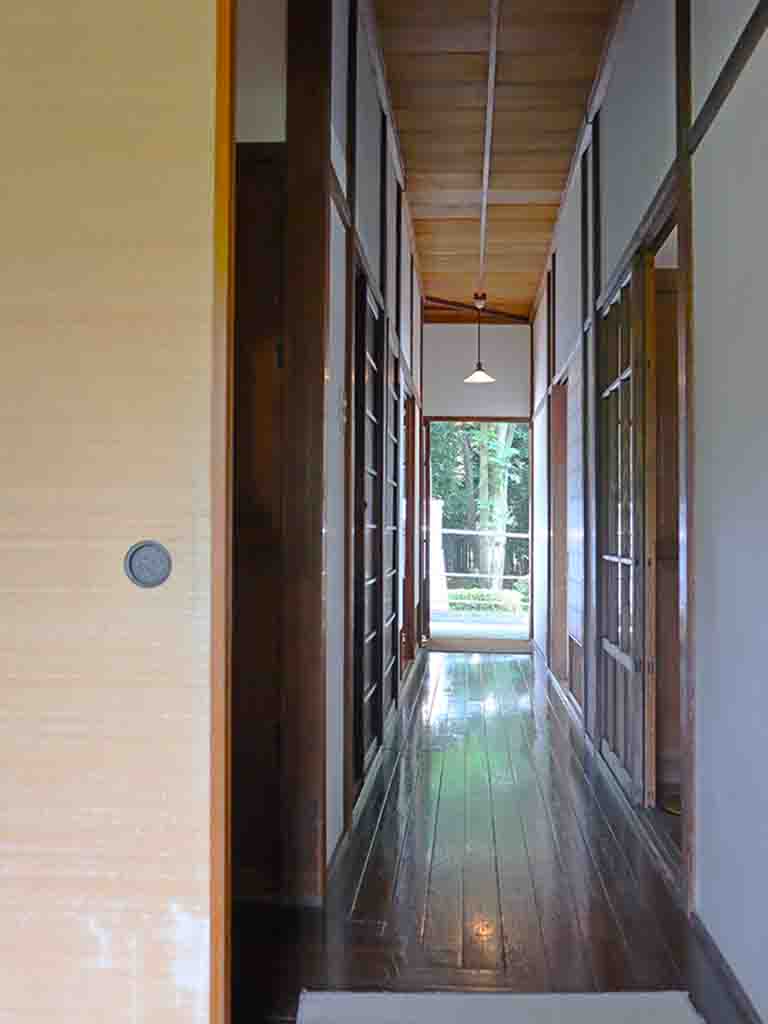
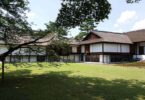
From outside, it looks like it’s the combination of European modernism and vernacular house. But the interior is more traditional Japanese style with modern twists that shows Horiguchi’s aesthetics influenced by De Stijl and Bauhaus.
Leave a Comment