Kengo Kuma is one of the most sought-after Japanese architects who’s also prolific. If you plan ahead, you should be able to visit dozens of Kuma’s projects in central Tokyo.
Kengo Kuma’s Buildings in central Tokyo (2): Shinjuku Area and its Vicinity
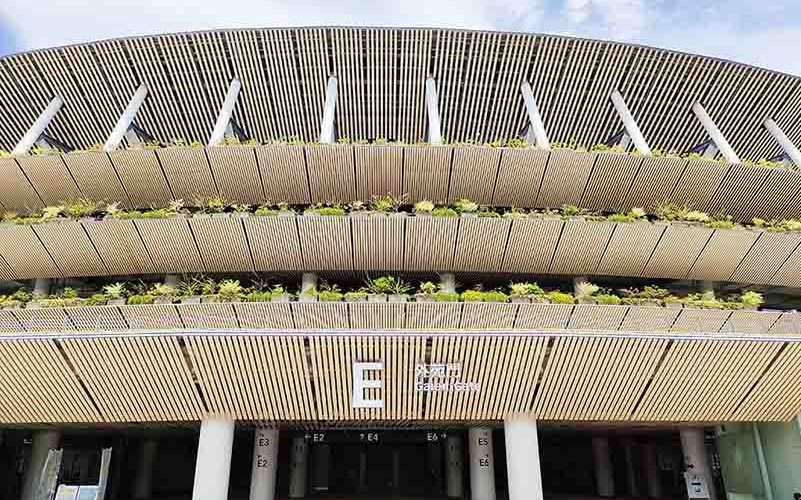
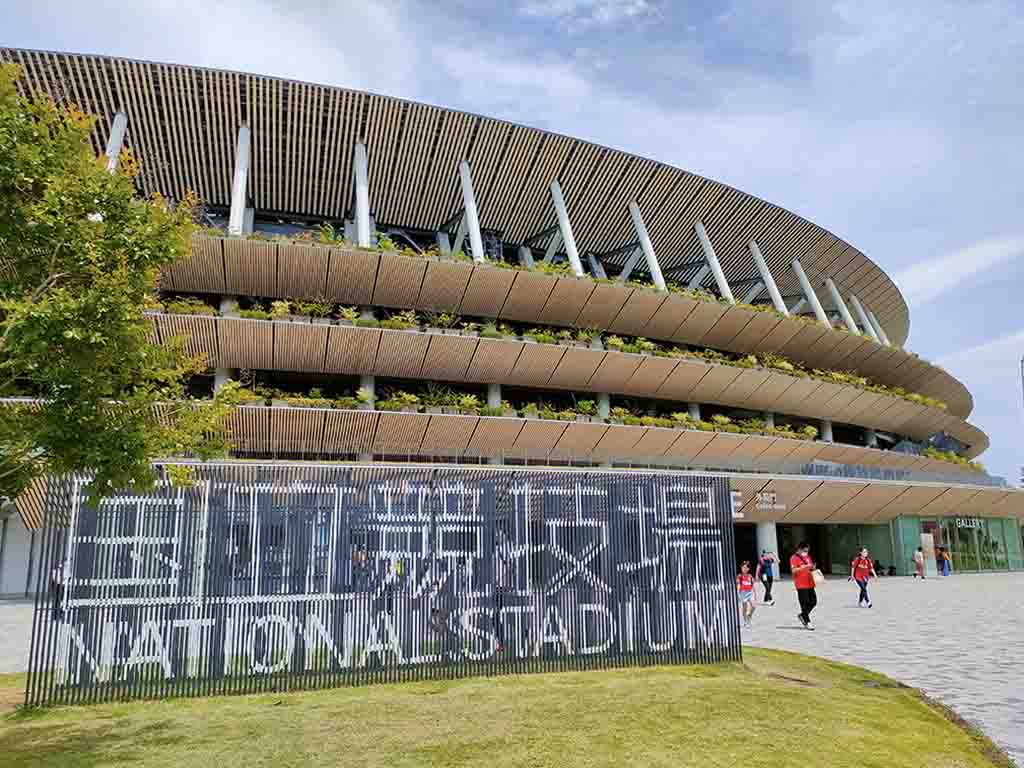
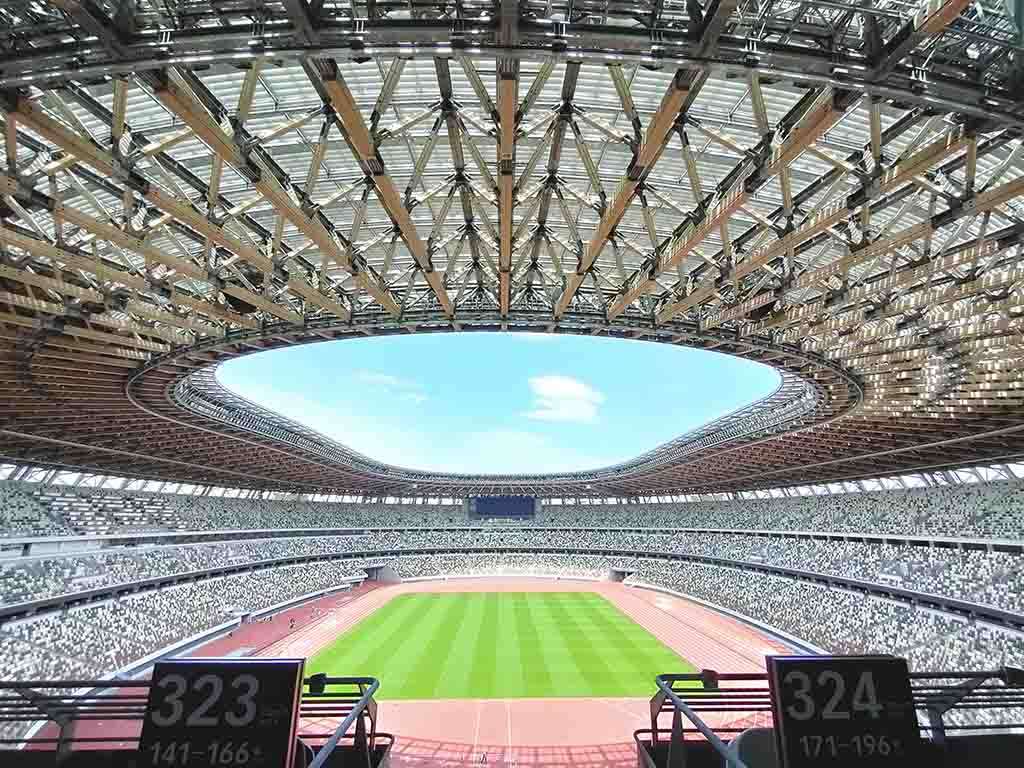
The Japan National Stadium (Metro Kokuritsu Kyogijo Station)
The Japan National Stadium was built for Tokyo Olympics 2020 after a couple of major flip-flops on project policies. Kuma and Taisei Corporation won the second competition after the original plan by Zaha Hadid was scrapped due to strong public oppositions. One of Kuma’s major design concept was to create a large facility like a stadium as a whole that consisted of small and human-scale timber.
The Haruki Murakami Library (Metro Waseda Station)
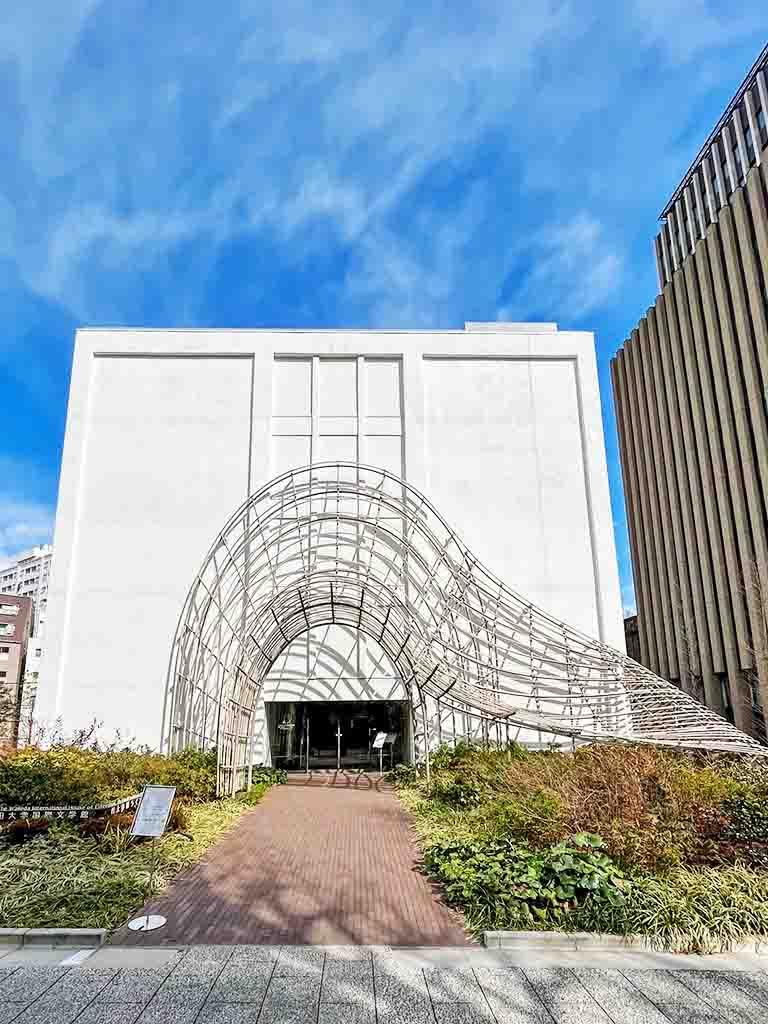
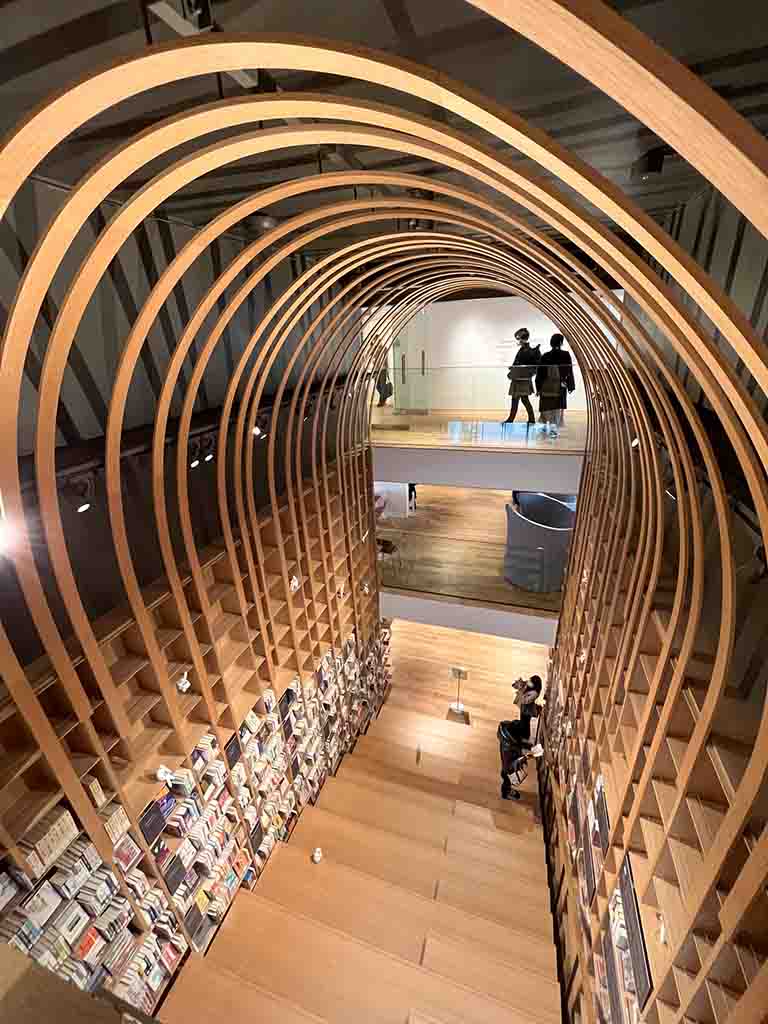
When Japanese author and perennial Novel Literature Prize candidate Haruki Murakami decided to donate thousands of his books and vinyl records to his alma mater Waseda University, the project grew to become the “Haruki Murakami Library” on campus. Murakami tapped Kuma to convert one of the old facilities for his library. It’s defined by a tunnel-like entrance made of curved wood, reminiscent of many Murakami’s stories that take readers to another world through tunnel-like storylines.
Akagi Shrine and Akagi Park Court (Metro Kagurazaka Station)
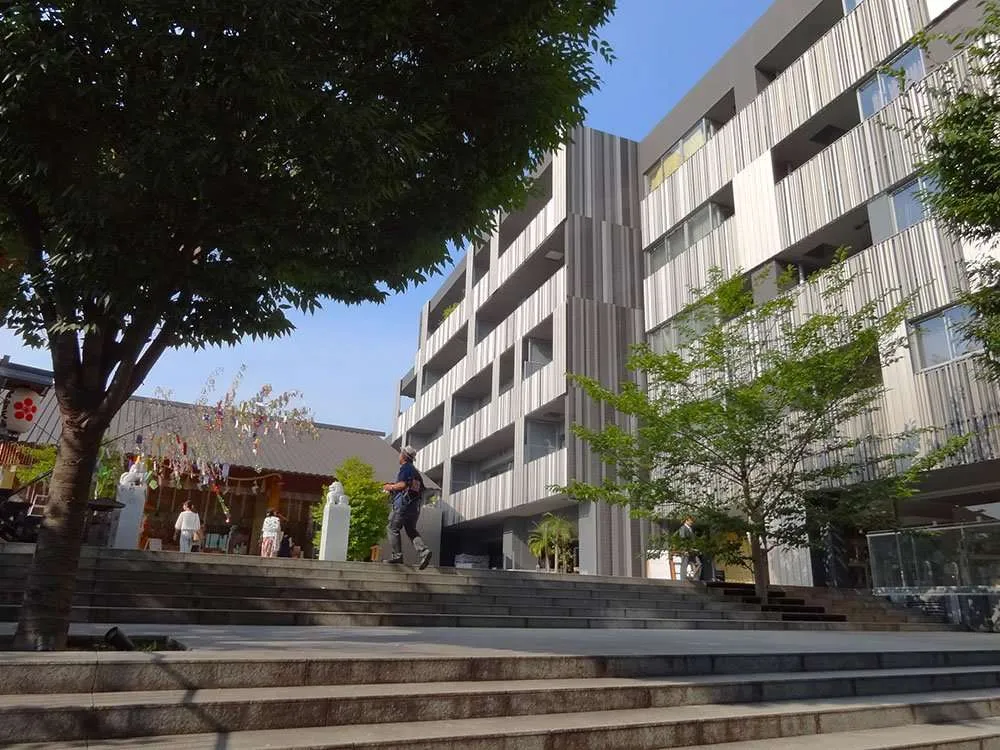
Kengo Kuma lived in Kagurazaka, a traditional neighborhood in central Tokyo, for decades. He renewed the main hall of Akagi Shine in Kagurazaka and Akagi Park Court (residential complex) adjacent to the shrine.
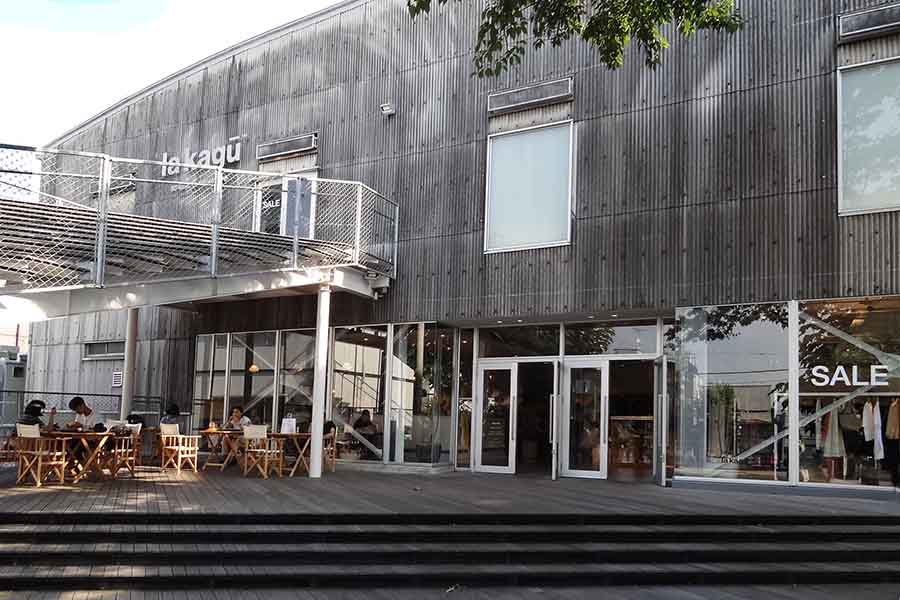
Akomeya by La Kagu (Metro Kagurazaka Station)
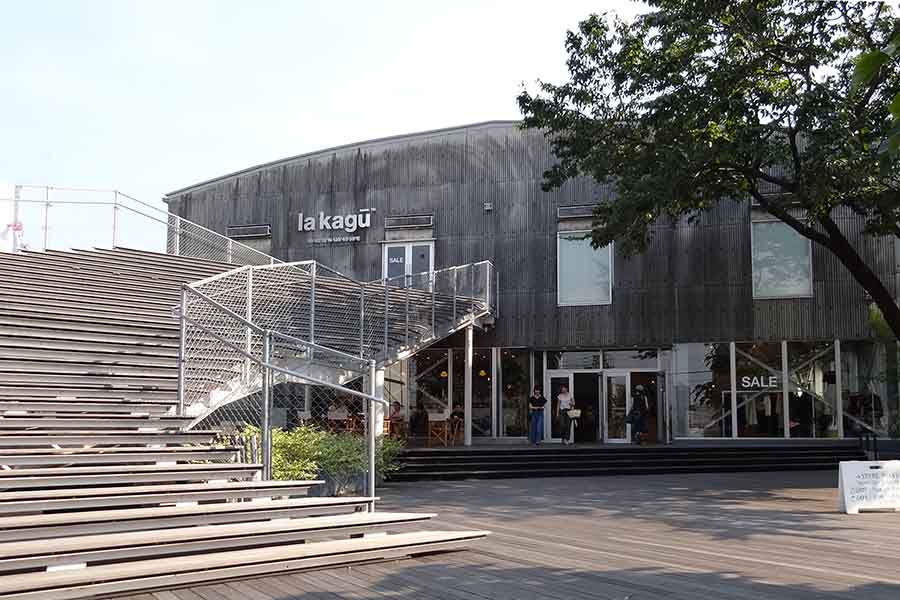
Akomeya by La Kagu is in the same neighborhood as the Akagi Shrine and built leveraging old book warehouse.
Leave a Comment