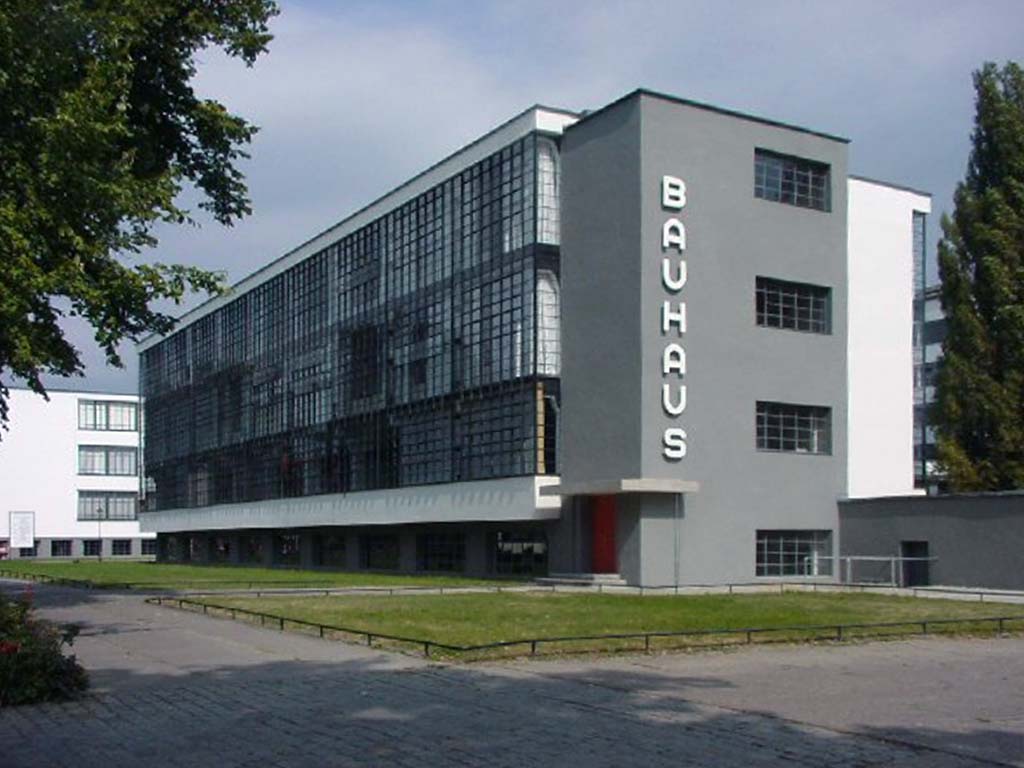
Japan adopted European architecture at the end of 19th century. Ever since, emerging Japanese architects looked to learn from Europe. Some of them went to Germany. Takehiko Mitsutani (from 1927 to 29) and Iwao & Michiko Yamawaki (from 1930 to 32) went to study at the Bauhaus Dessau, paving the way for the Japanese version of modernism in architecture and design. Architect Bunzo Yamaguchi worked in Walter Gropius’ office in Berlin (1930-32). It will be safe to say that, despite historical and cultural differences, the Bauhaus-era German modernism and traditional Japanese aesthetics both valued ultimate yet functional simplicity with no excess frills, which often took a form of clean lines and voids created by them.
After WWII, Yamawaki invited the Bauhaus founder Walter Gropius to Japan in 1954. For Gropius, who was 71, it was the first and last trip to Japan. During his stay that lasted for three months, Gropius actively interacted with many Japanese architects/designers, gave lectures and helped found the Bauhaus-influenced Kuwasawa Design School in Tokyo.
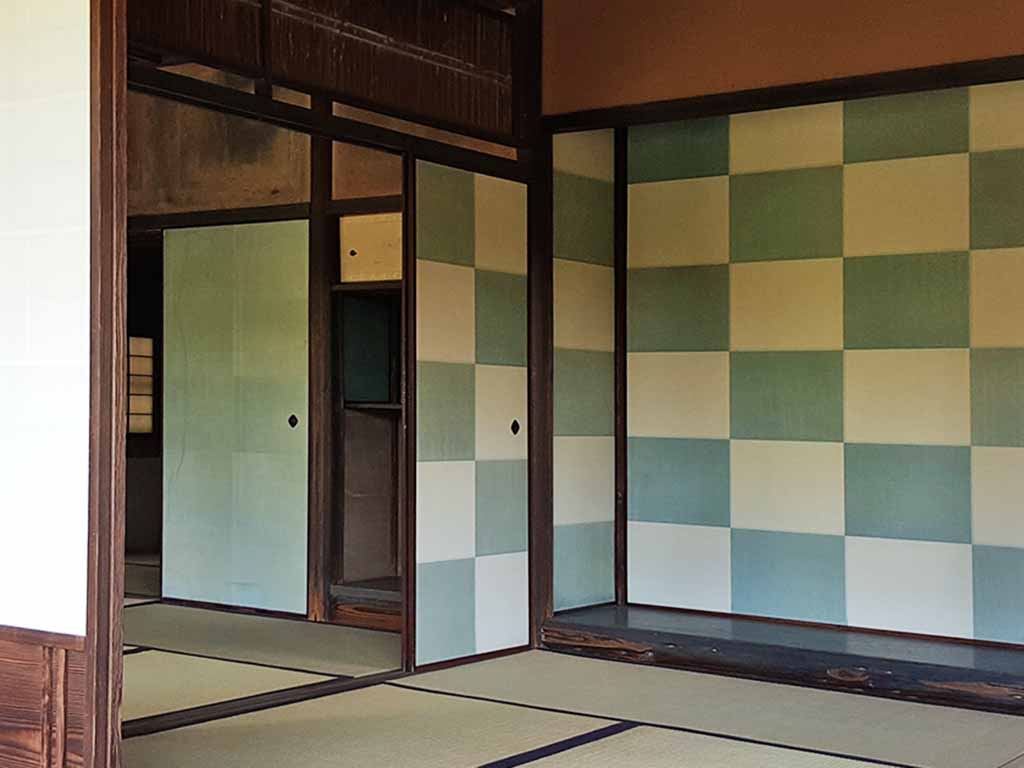
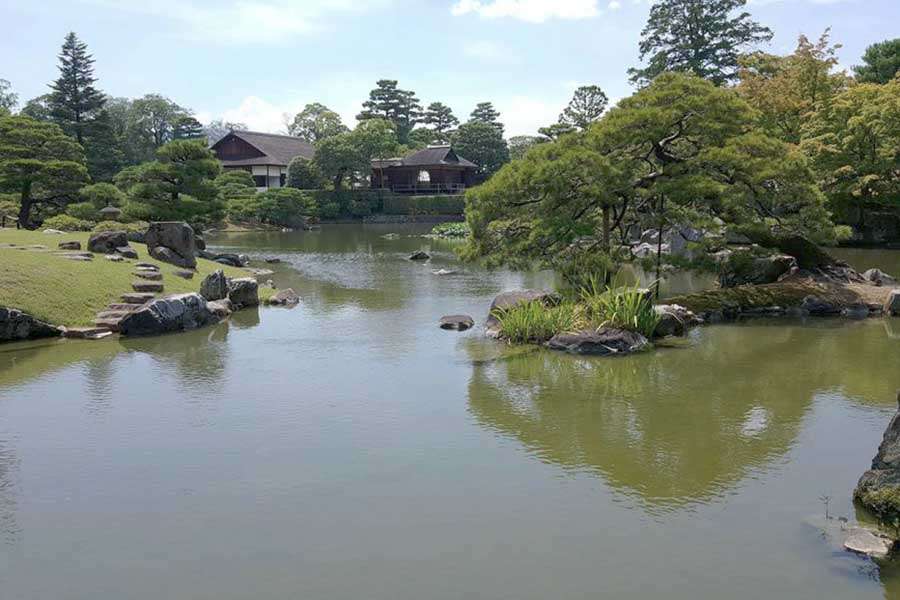
In the meantime, Gropius also immersed himself in traditional Japanese architecture and craftsmanship, including a visit to the Katsura Rikyu Imperial Villa, which was built as a retreat by an aristocrat family in Kyoto in 17th century. As the owner family of the Villa was inspired by the ancient society in which aristocrats took pride in establishing unique Japanese culture, they scattered buildings in a property that surrounded intricately-designed waterbody so that visitors could have tea ceremony, party on a boat, write poems and enjoy moon viewing. Buildings featured natural materials, employed simple yet refined details, and were in complete harmony with the surrounding environment. Whereas it is widely seen as the culmination of “traditional” Japanese architecture, many European (and American) architects found it surprisingly “modern” because of its focus on universal elements such as clean lines, simplicity and its openness to the outer environment.
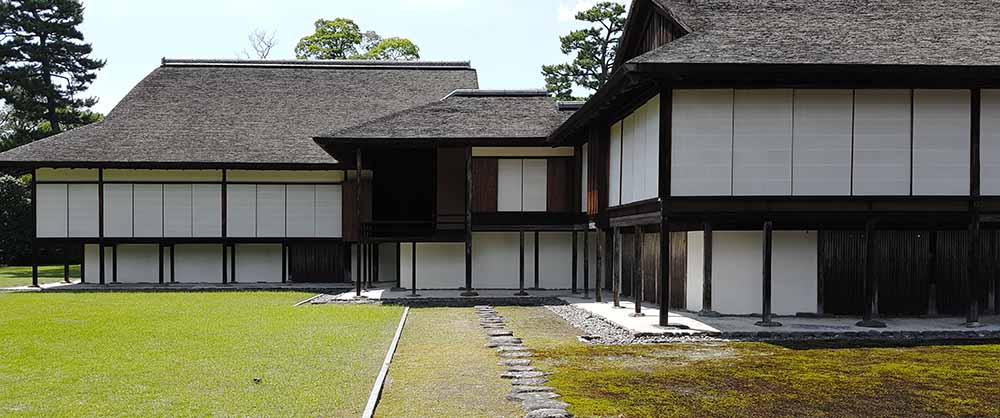
While the Katsura was for a high class family centuries ago, Gropius also checked contemporary residential homes. They were still dominantly wooden in the 50’s, and shared some basic aesthetic principles found in traditional Japanese architecture. Impressed, Gropius wrote to his friend Le Corbusier: “Dear Corbu, everything we have fought for is paralleled in ancient Japanese culture… Japanese houses are the best and most modern examples that I know of, and they really are pre-fabricated.” As his excitement persisted, in the following year Gropius wrote “Architecture in Japan” in the Yale Architectural Journal Perspecta.
You cannot imagine what it meant to me to come suddenly face to face with these houses, with a culture still alive, which in the past had already found the answer to many of our modern requirements of simplicity, of outdoor-indoor relations, of modular coordination, and at the same time, variety of expression, resulting in a common form language uniting all individual efforts.
So what were the exact elements in Japanese architecture that excited Gropius?

Leave a Comment