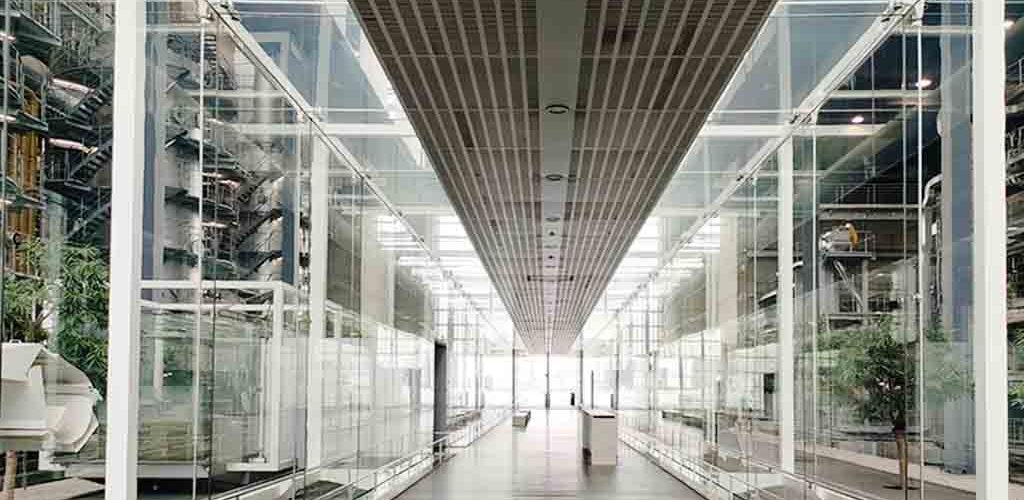
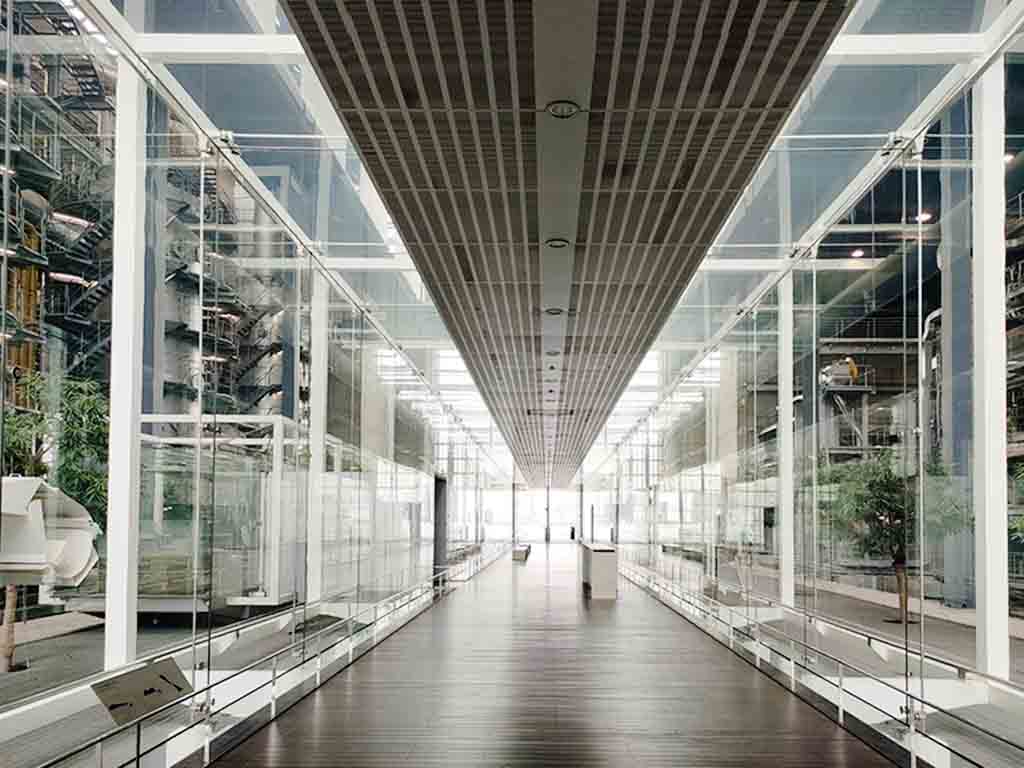
In 2022, “Drive My Car,” a Japanese film directed by Ryusuke Hamaguchi, won the Academy’s Best International Film. It featured a memorable scene at a waste processing facility in Hiroshima. In the movie, Misaki, the female chauffeur, takes Kafuku, the main character, to the Naka Waste Incineration Plant where she ends up sharing the story about her past while walking around the uncharacteristically beautiful and futuristic garbage facility by the water front.
Modern History of Hiroshima, Kenzo Tange and Yoshio Taniguchi
As you may know, an American bomber dropped an atomic bomb on Hiroshima City towards the end of WWII (August 6, 1945) to cause devastating damage. It is estimated that at least about 100,000 people out of 350,000 population died within a couple of months. More than 500,000 people suffered from severe after effects. The epicenter was annihilated. A few years later, the local authority decided to preserve some of the severely damaged buildings and create a peace park complex to commemorate people who lost their lives and let the world know that nuclear bombs should never be used again. Kenzo Tange, one of Japan’s most important modern architects who lived in Hiroshima when he was young, was awarded to design the series of facilities – the Atomic Bomb Dome, the Memorial Cenotaph and the Hiroshima Peace Memorial Museum. Completed in 1955, they and are considered one of Tange’s best works and Hiroshima’s landmark.
50 years later, Hiroshima City started the Hiroshima 2045, a project to design/renovate public facilities to commemorate the 100 year anniversary of the atomic bomb dropping in 2045 by focusing on maintaining peace and fostering creativity. The Naka Waste Incineration Plant was included in the project for renovation, and the city chose Yoshio Taniguchi to design it.
As Taniguchi studied architecture at Tokyo University under Tange, the Peace Park complex must have been in Taniguchi’s mind when he won the project – it was important for the city as well as for him personally. When Taniguchi visited the site, he found that it was located on the extension of the “peace line” of Tange’s Peace Park.
As you can see in the map above, Tange arranged the three facilities – the Atomic Bomb Dome, the Memorial Cenotaph and the Hiroshima Peace Memorial Museum – on a straight line that led to Hiroshima Bay (Seto Naikai Inland Sea). He called it “peace line” in hope that the facilities would be integrated into city’s re-growth process and the tragedy would never be forgotten.
It must have been natural for Taniguchi to respect the peace line and let the extended line go through the center of the waste facility into Hiroshima Bay.
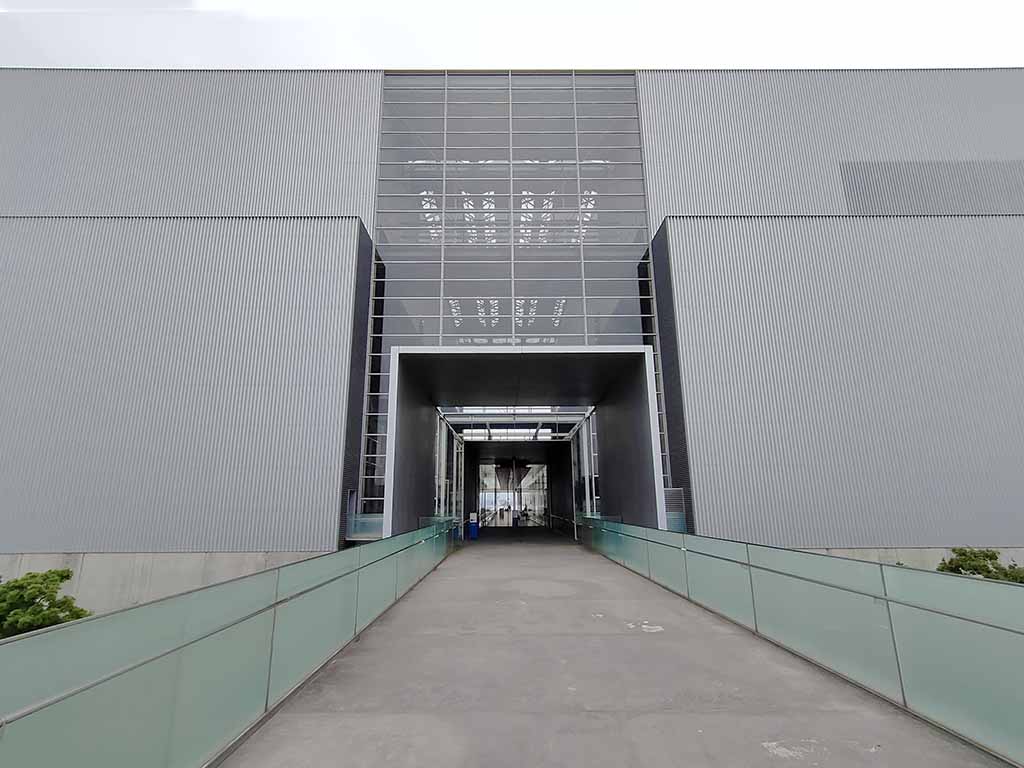
Design of The Naka Waste Incineration Plant
In addition to respecting Hiroshima’s history and peace, Taniguchi also attempted to change the perception of a waste processing facility, which is usually considered as NIMBY (not in my backyard).
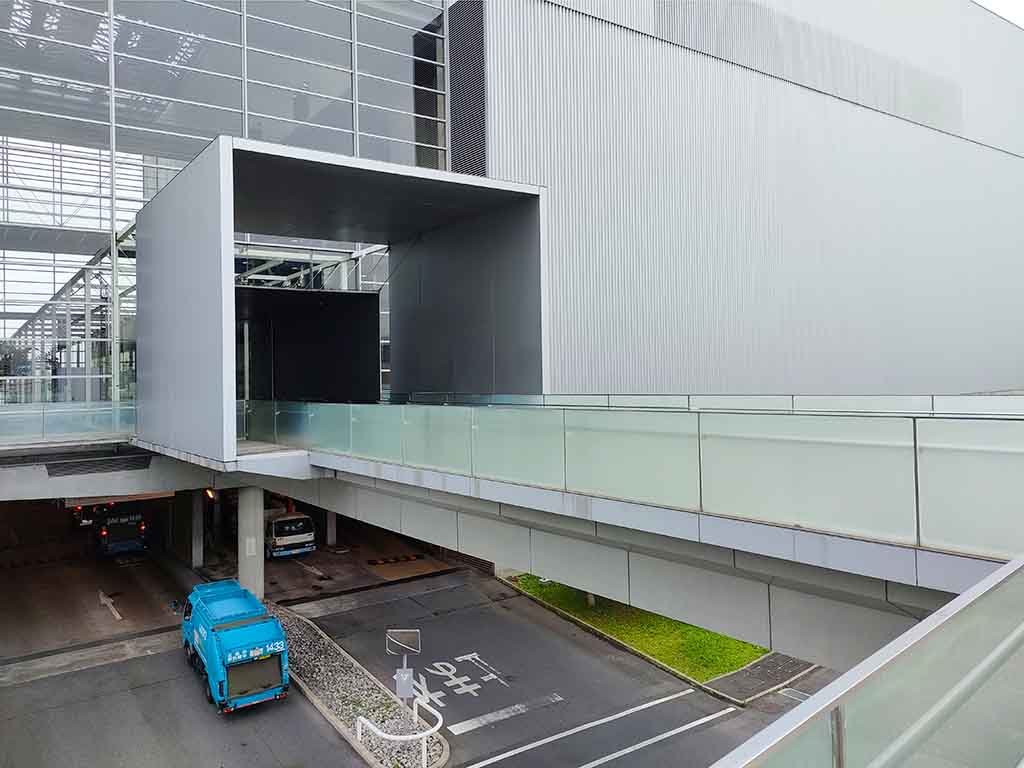
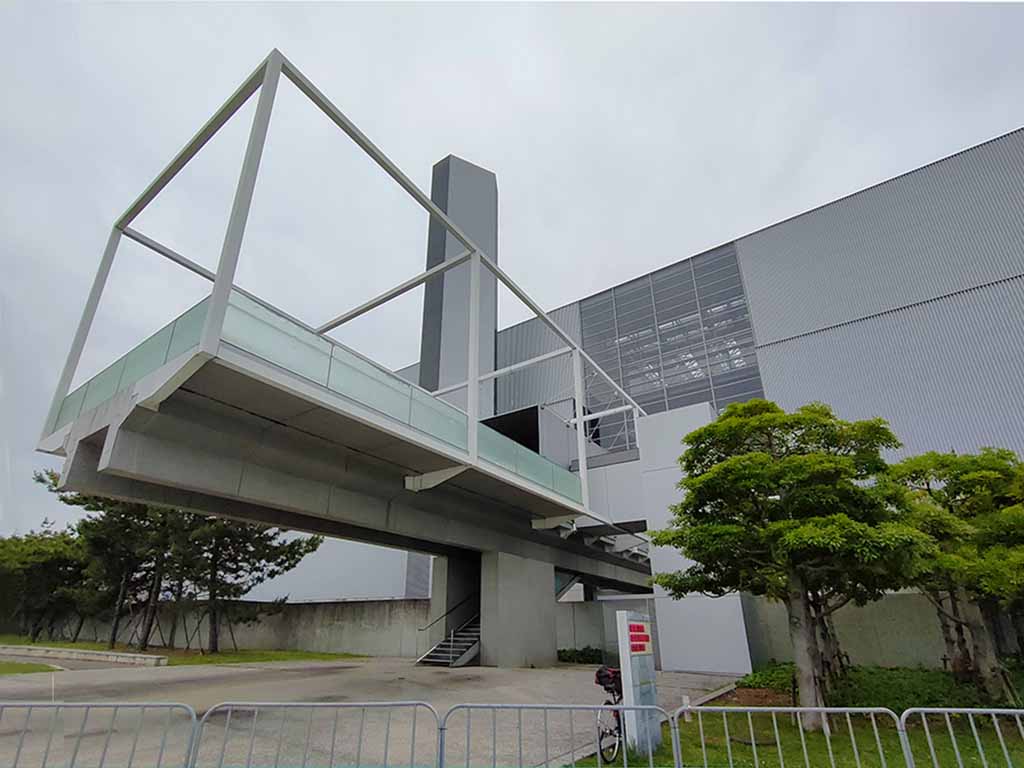
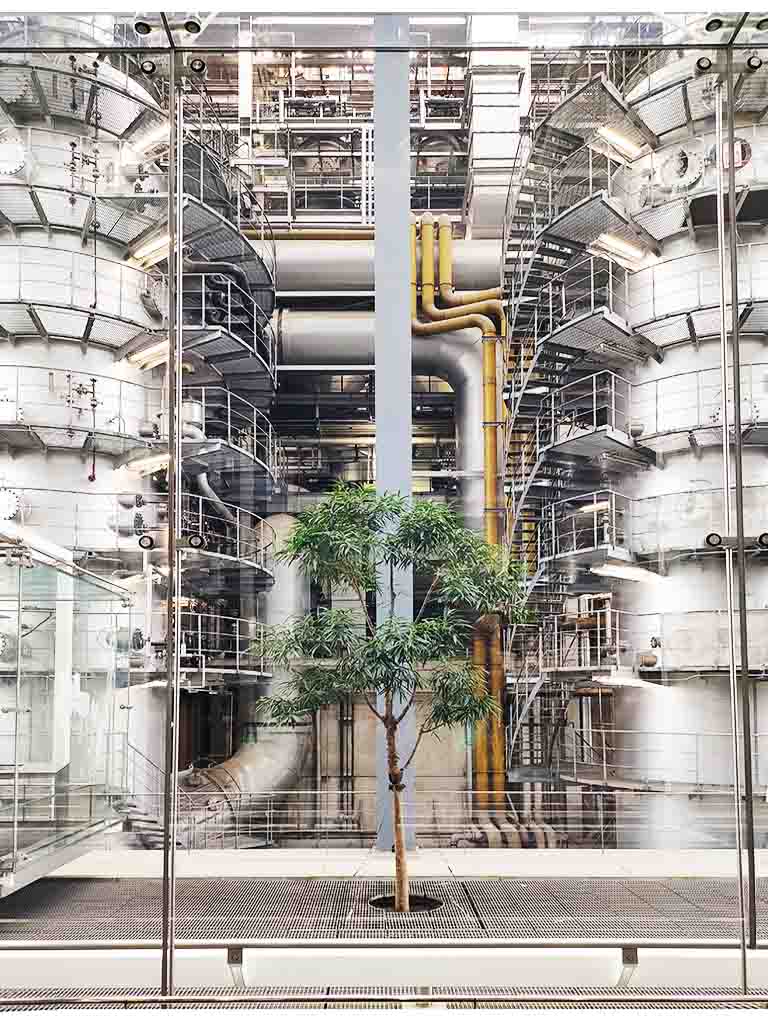
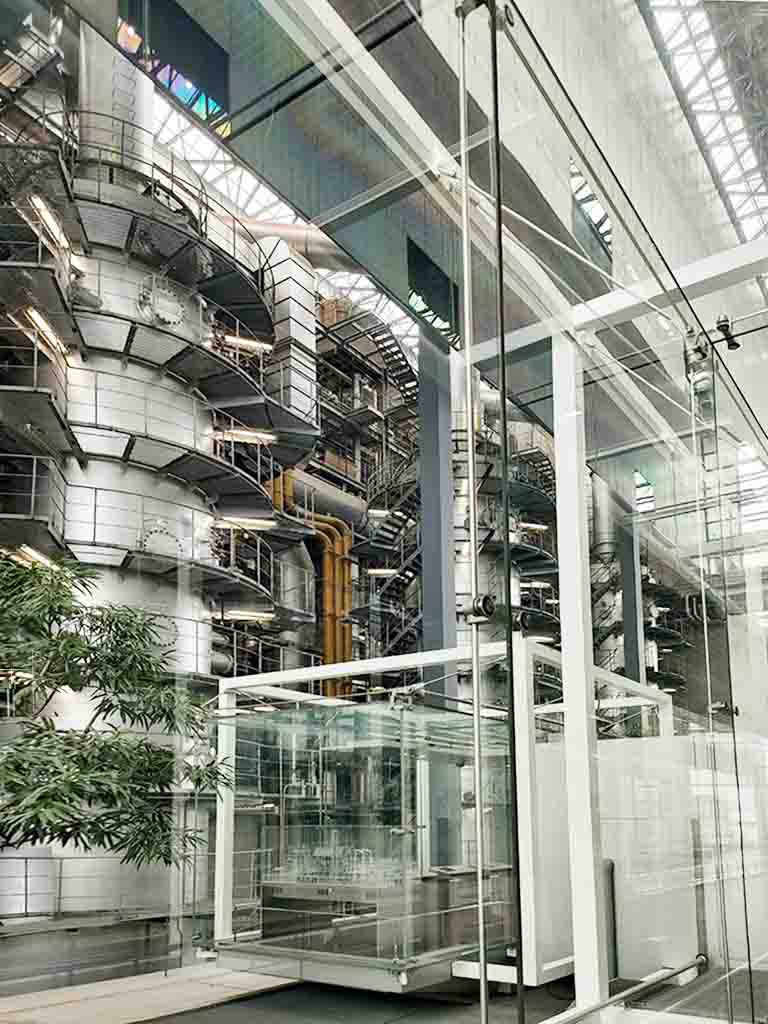
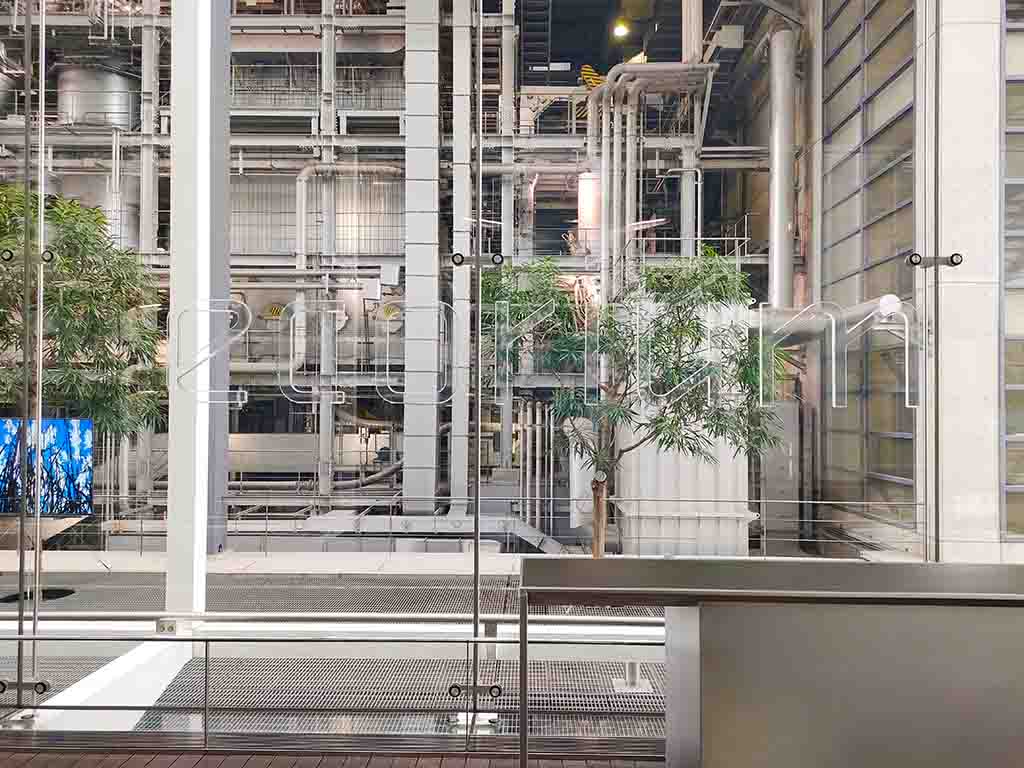
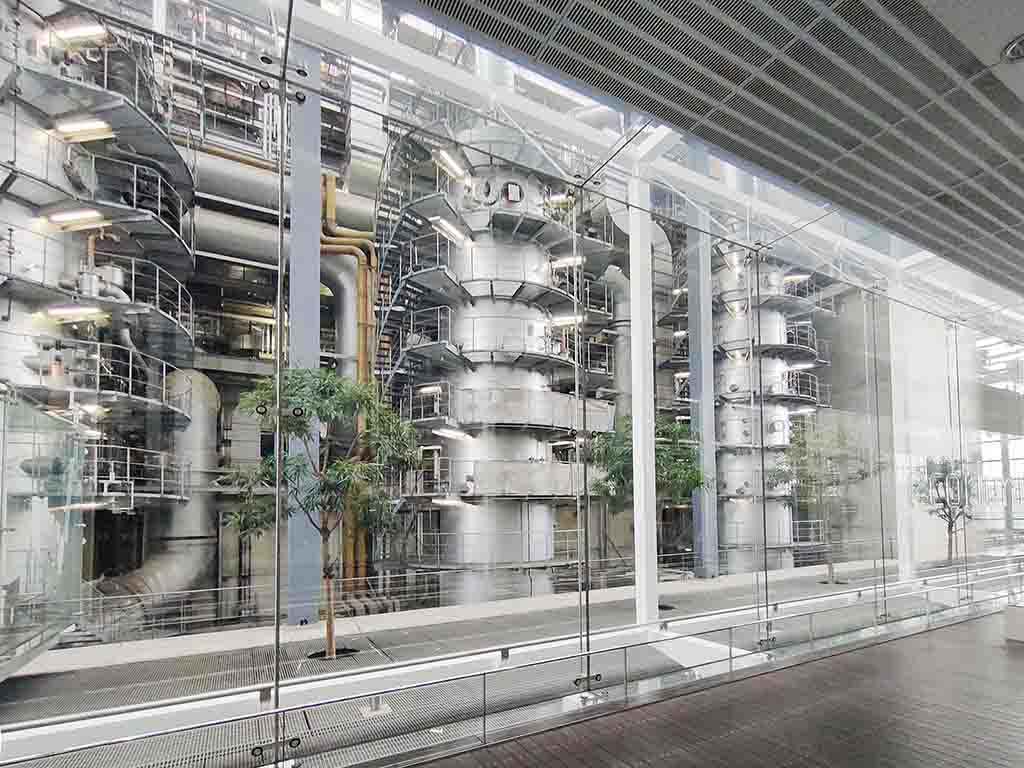
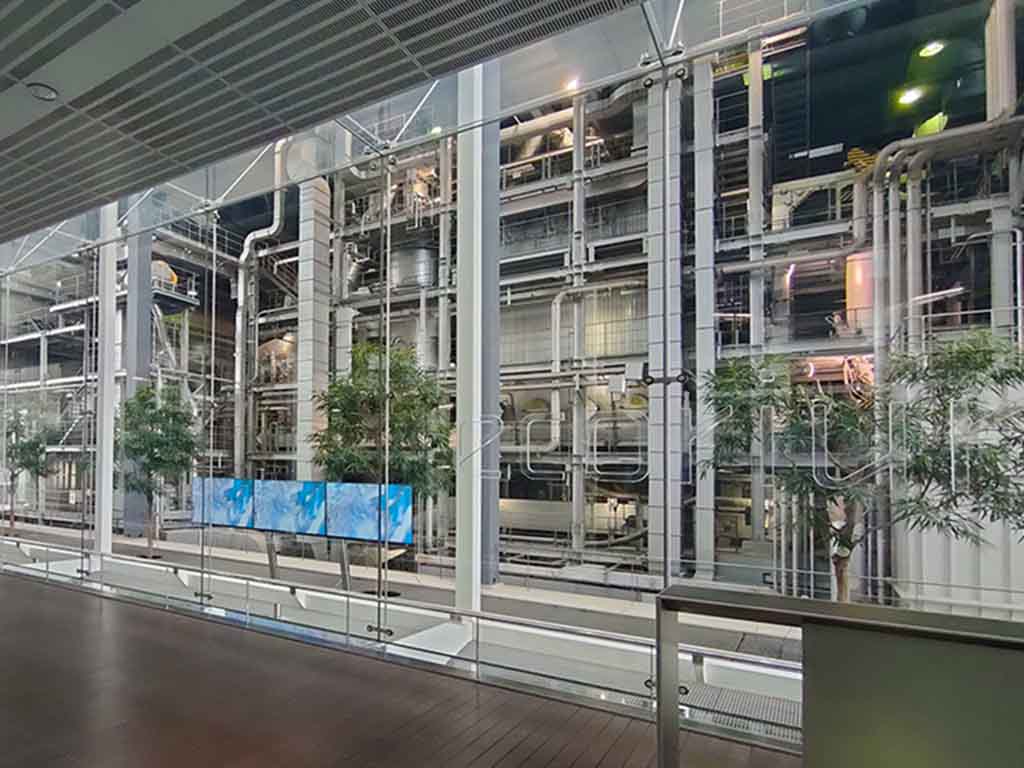
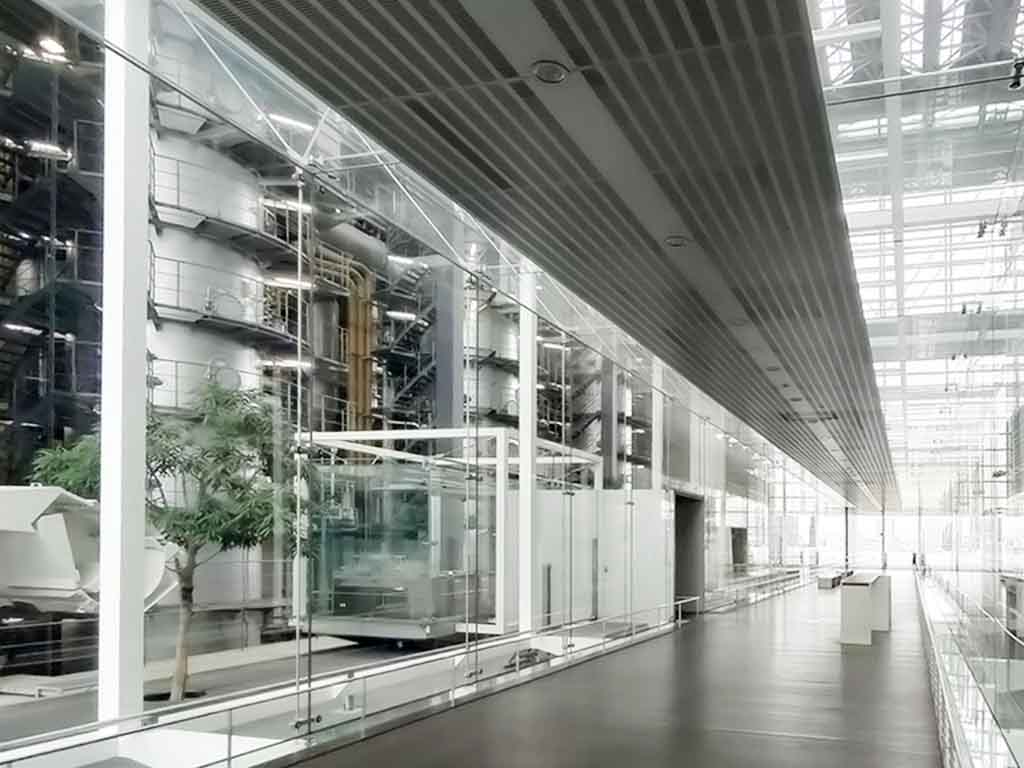
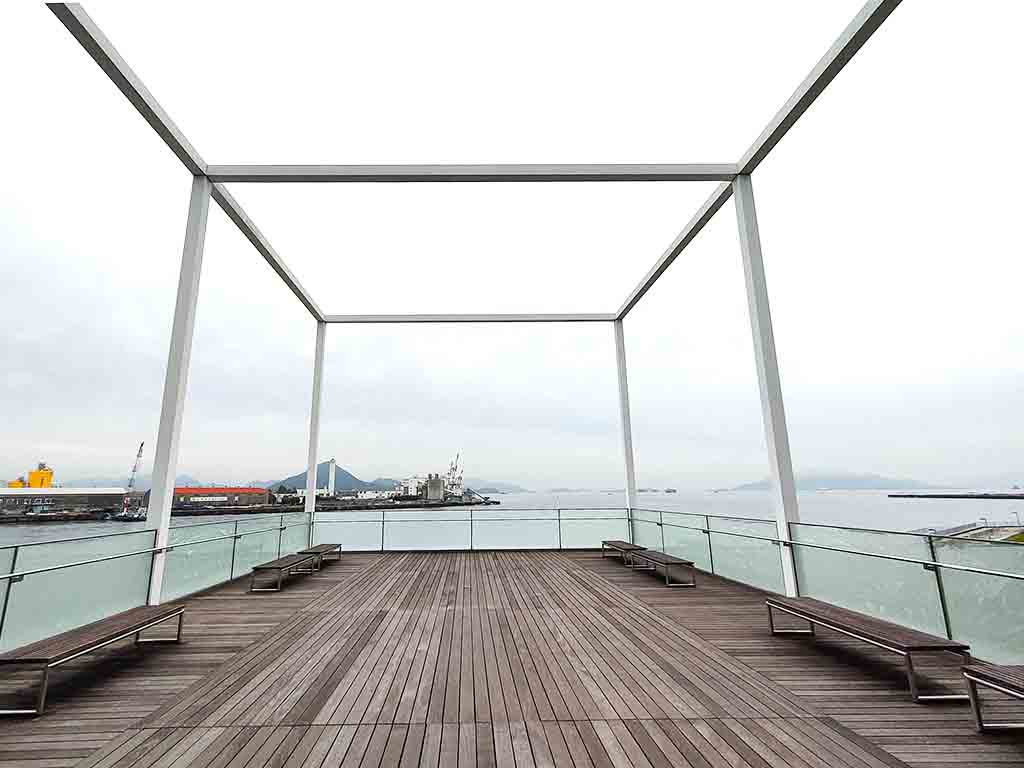
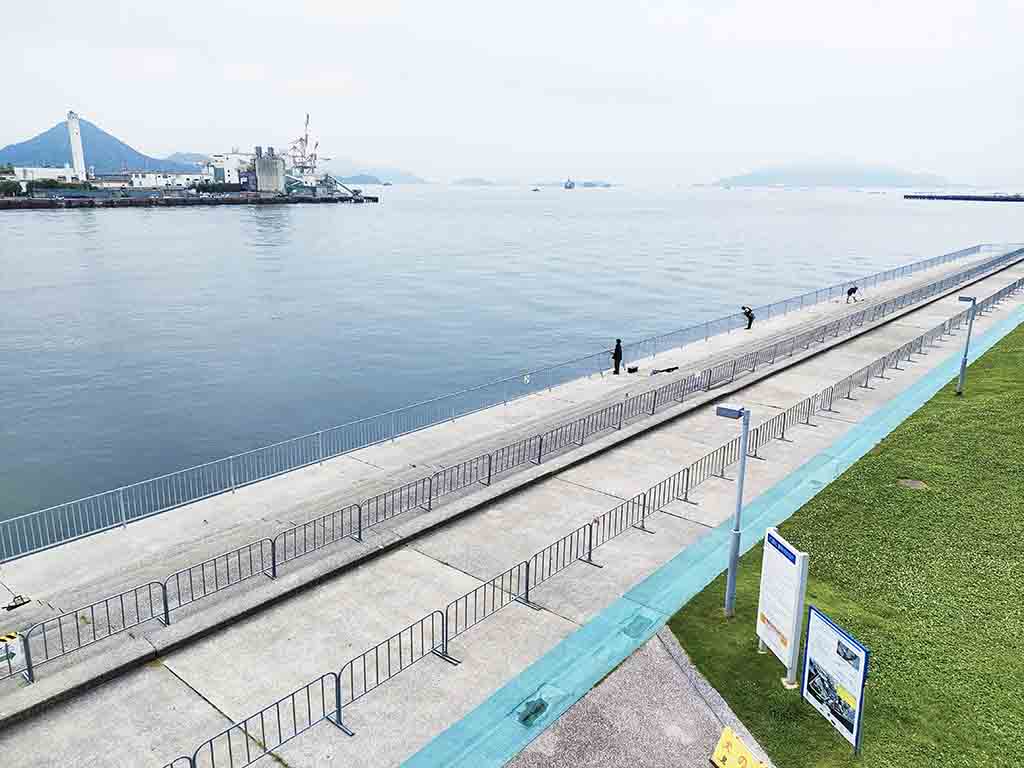
Waste is unloaded on the first floor. The second floor is called “ecorium,” which is open to public. You have access to the water front through the deck. Devoid of loose garbage or odor, the facility is defined by futuristic metal and green plants.
Leave a Comment