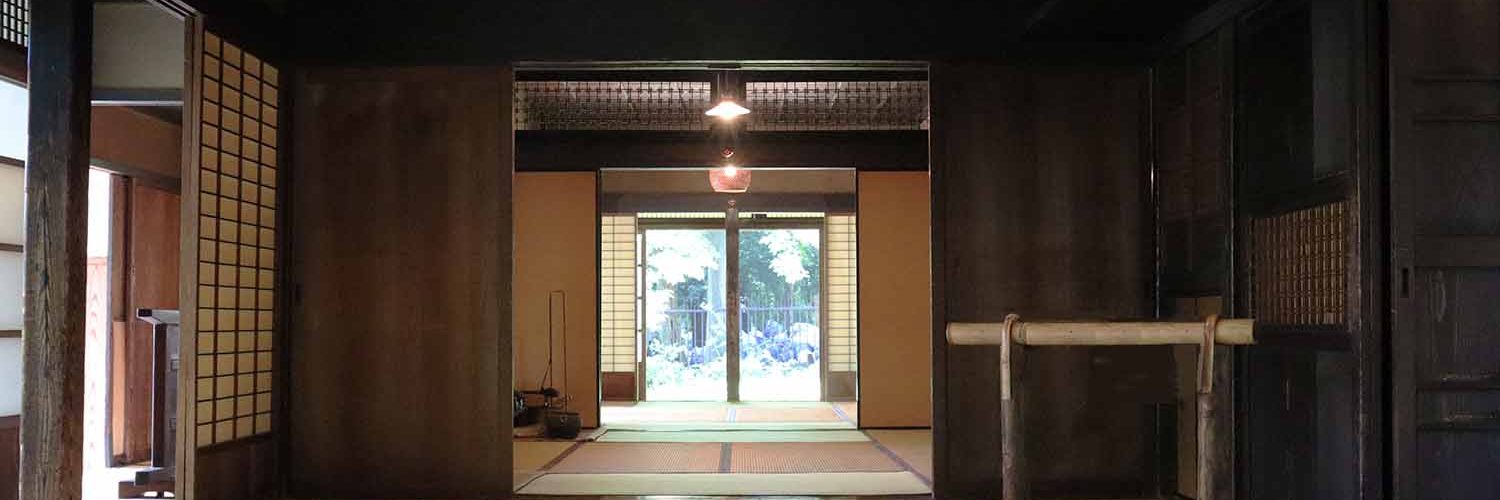
民家 (minka) means “peoples’ house” in Japanese and is a general term used to describe regular houses, especially traditional ones. It has unique features that are important in traditional Japanese architecture.
Minka design: irori
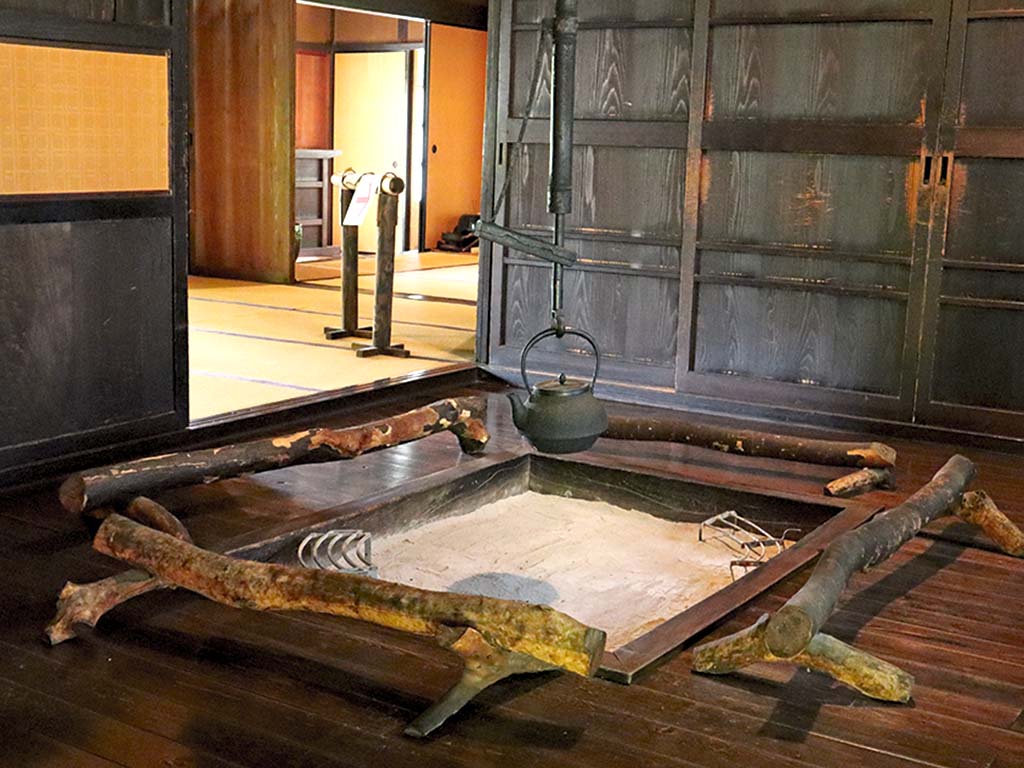
Before the era of fossil fuels and electricity, fireplace was the central piece of a house. In minka design, irori played that role, which is a square or rectangular sunken hearth that was typically installed in the middle of a living room next to doma (see Minka PART I). It was used to provide heat and light, boil water and cook. It was also where people gathered around the fire.
Minka design: Daikoku bashira (central column)
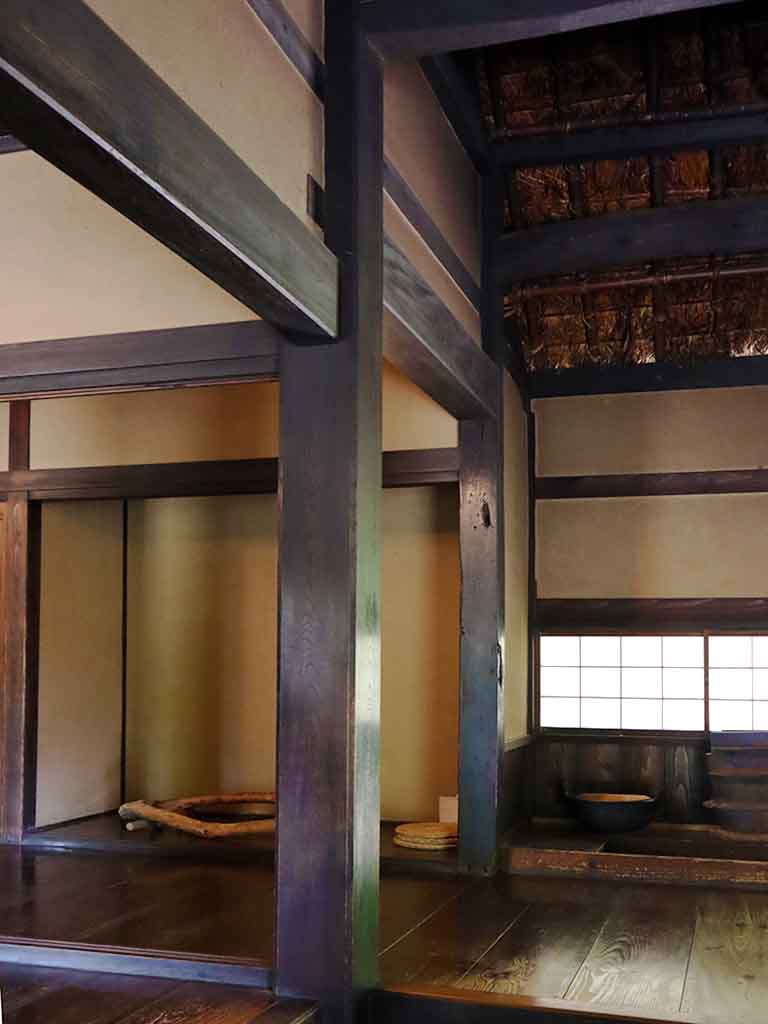
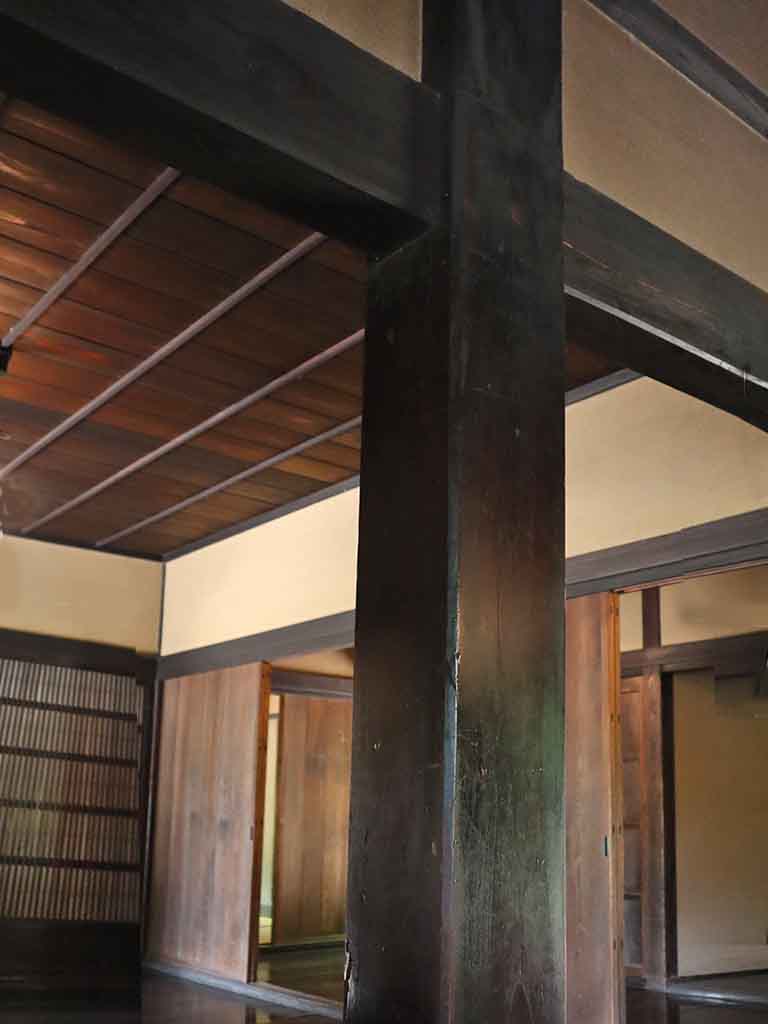
As traditional Japanese houses bear load with columns and beams, they have a central column called 大黒柱 (daikoku bashira). It is the fattest, most important column of the house. The term “daikoku bashira” is also used to describe the breadwinner or leader of a family or a team on whom the entire group depend. Japanese zelkova has traditionally been used as daikoku bashira, as it is heavy, hard and durable timber that comes with beautiful grain. As it’s the symbol of the house, it’s usually well taken care of and looks shiny and smooth. Over time, it gets black from soot as people would burn charcoal inside the house for cooking and heating.
Minka design: Columns, shoji and fusuma
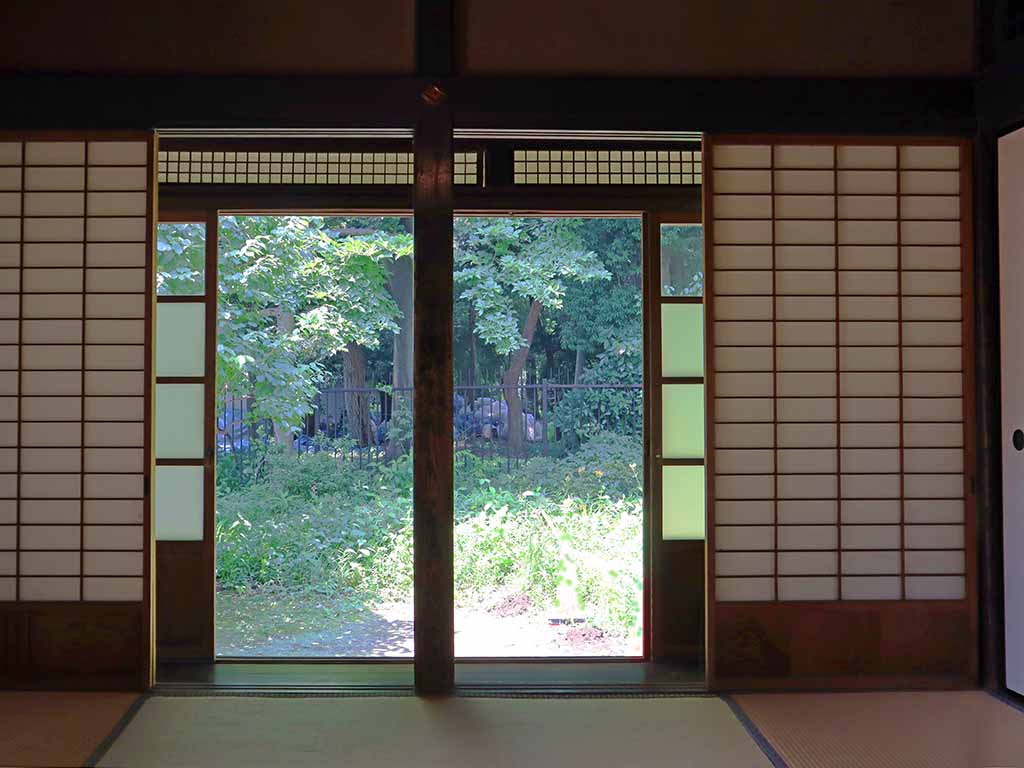
The structure of traditional Japanese house are supported by columns and beams. Columns that are slimmer than daikoku bashira are installed in the house usually using the intervals of 1 ken or 6 shaku, which are traditional Japanese unit to measure length. 1 shaku is 303 mm, so 6 shaku is about 1818 mm, although there are some regional variabilities. Shoji (sliding panels made of wooden frames and paper) or fusuma (sliding panels mostly made of paper) were installed in between columns. Shoji is usually used on the perimeters facing outside, and fusuma is used in between rooms. Shoji and fusuma are about 900 mm widths (2 panels between columns).
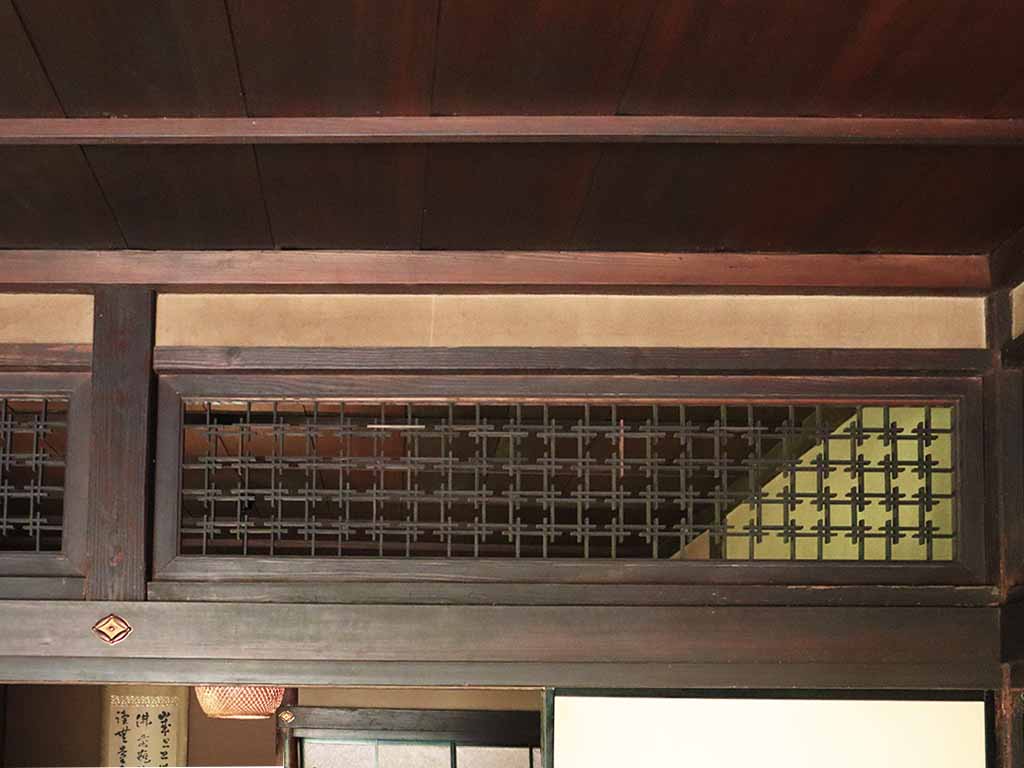
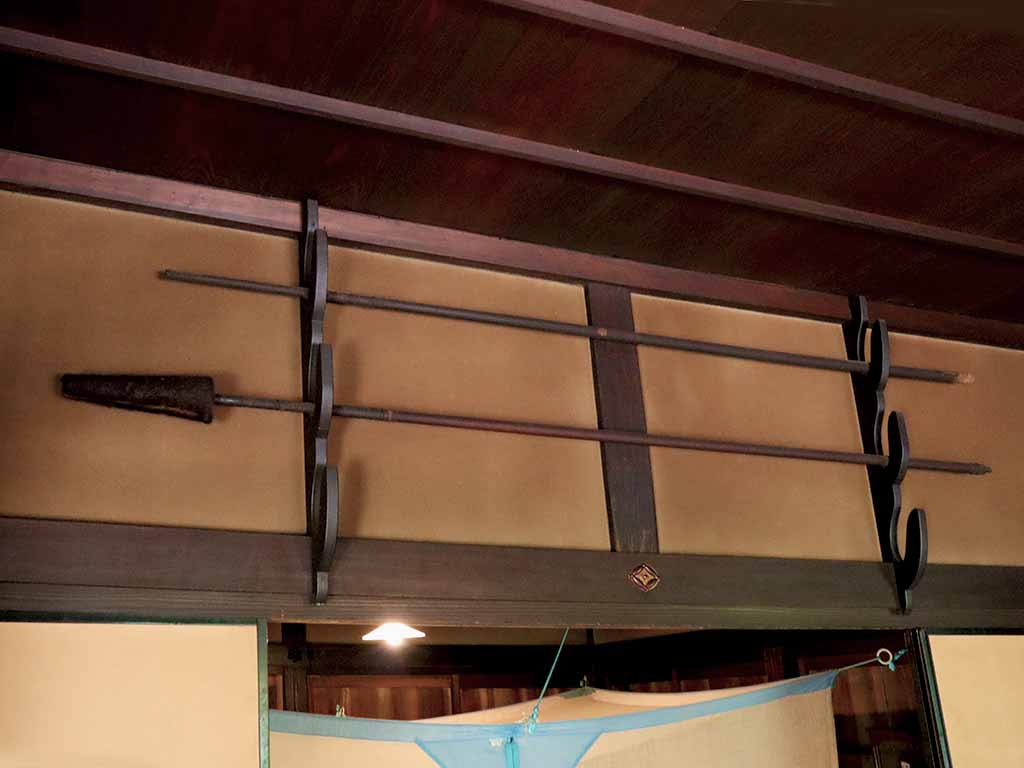
It is this combination of columns and fusuma/shoji, instead of walls, that connected traditional Japanese houses directly with the outside environment. The areas above shoji and fusuma called ranma were also often leveraged to connect the interior with the outside environment.
Minka design: Ranma
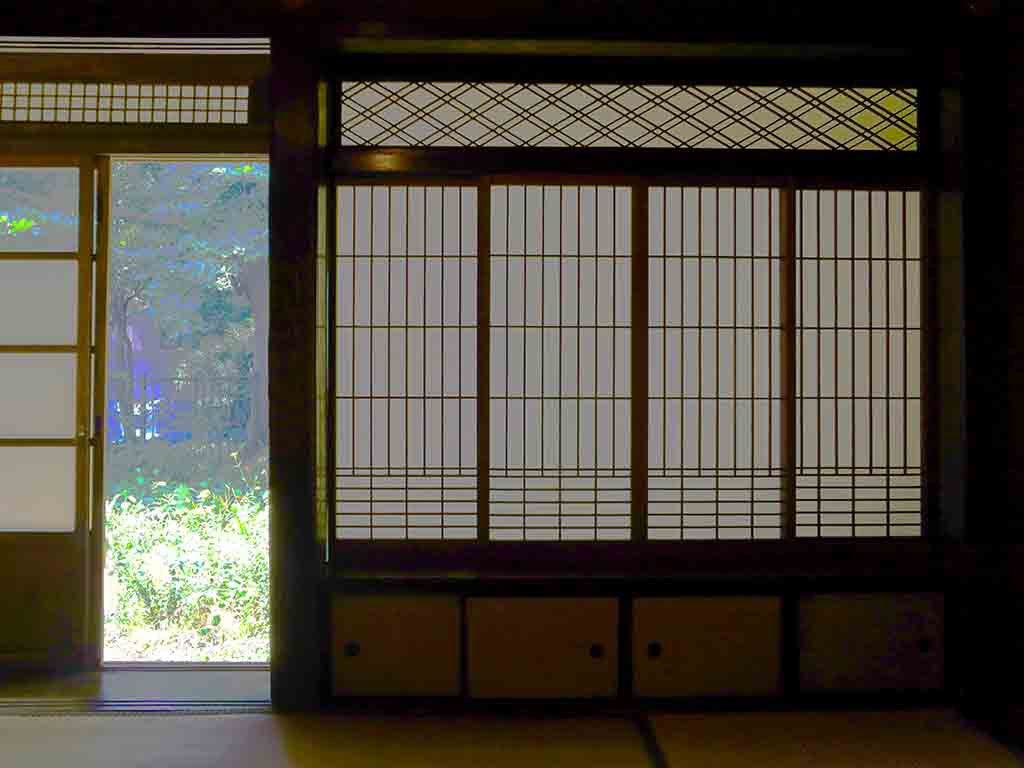
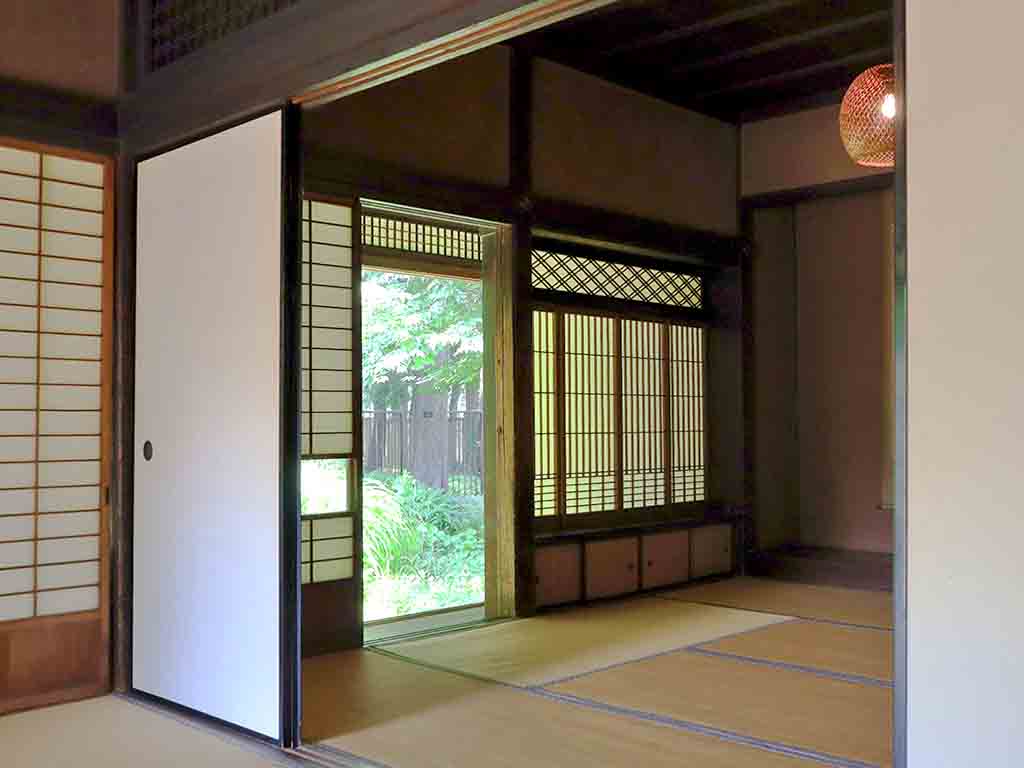
The pictures on this page is a building at Tokyo Tatemono-en (Edo-Tokyo Open Air Architectural Museum) in suburban Tokyo. As it used to belong to a rich farmer in rural Tokyo in early 19th century, it has some intricate design details that could have been too expensive for ordinary peasants. One of them is ranma with delicate woodcarvings. Ramna is an area sandwiched between ceilings and above shoji and fusuma.
Leave a Comment